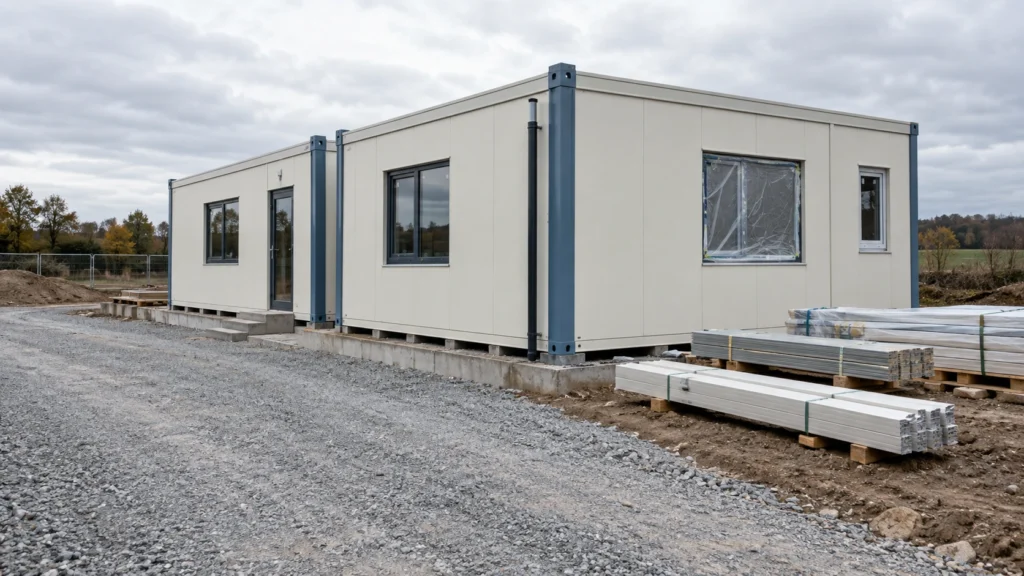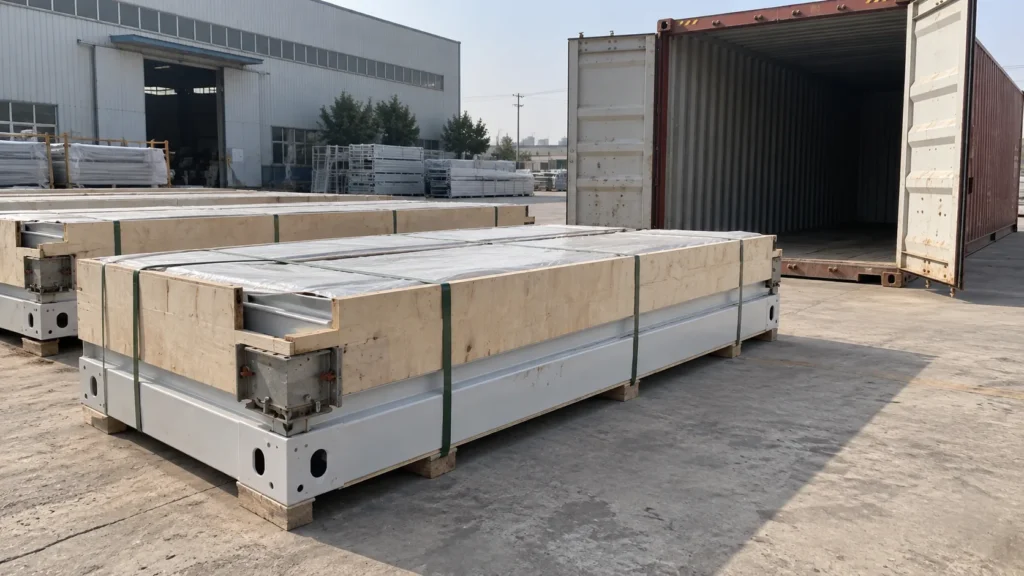
A folding container house should be evaluated as a building system that moves between transport, installation, occupied use and possible relocation. Buyers need the selected model’s instructions and evidence for each state. A short unfolding demonstration does not establish the full work needed to open the building, maintain its interfaces or prepare it for another move.
The practical attraction is the relationship between a compact transport arrangement and a usable room. That relationship also creates important questions: which parts move, which connections secure the occupied building, what must be completed locally and what needs attention before the unit is folded again? These questions are best resolved before purchase.
This guide explains the buyer’s planning and review tasks. It does not provide a lifting plan, an unfolding sequence or a substitute for the manufacturer’s instructions. The actual system, site conditions, installation requirements and appropriate professional checks determine how a particular unit is handled and used.
What should you identify before comparing folding systems?
Identify the exact product family, model and drawing revision. Ask to see both the transport configuration and the completed configuration, with the relevant dimensions and equipment information supplied for that model. A product name or a photograph of a finished room does not explain which assemblies move or what must be secured during installation.
Manufacturer terminology can vary. K-HOME, for example, describes an X-folding product and a Z-type folding product within its own range. These are references to that manufacturer’s descriptions, not universal mechanism standards or specifications for a PQSE order. Compare the actual system information rather than assume all products carrying the word folding share the same procedure.
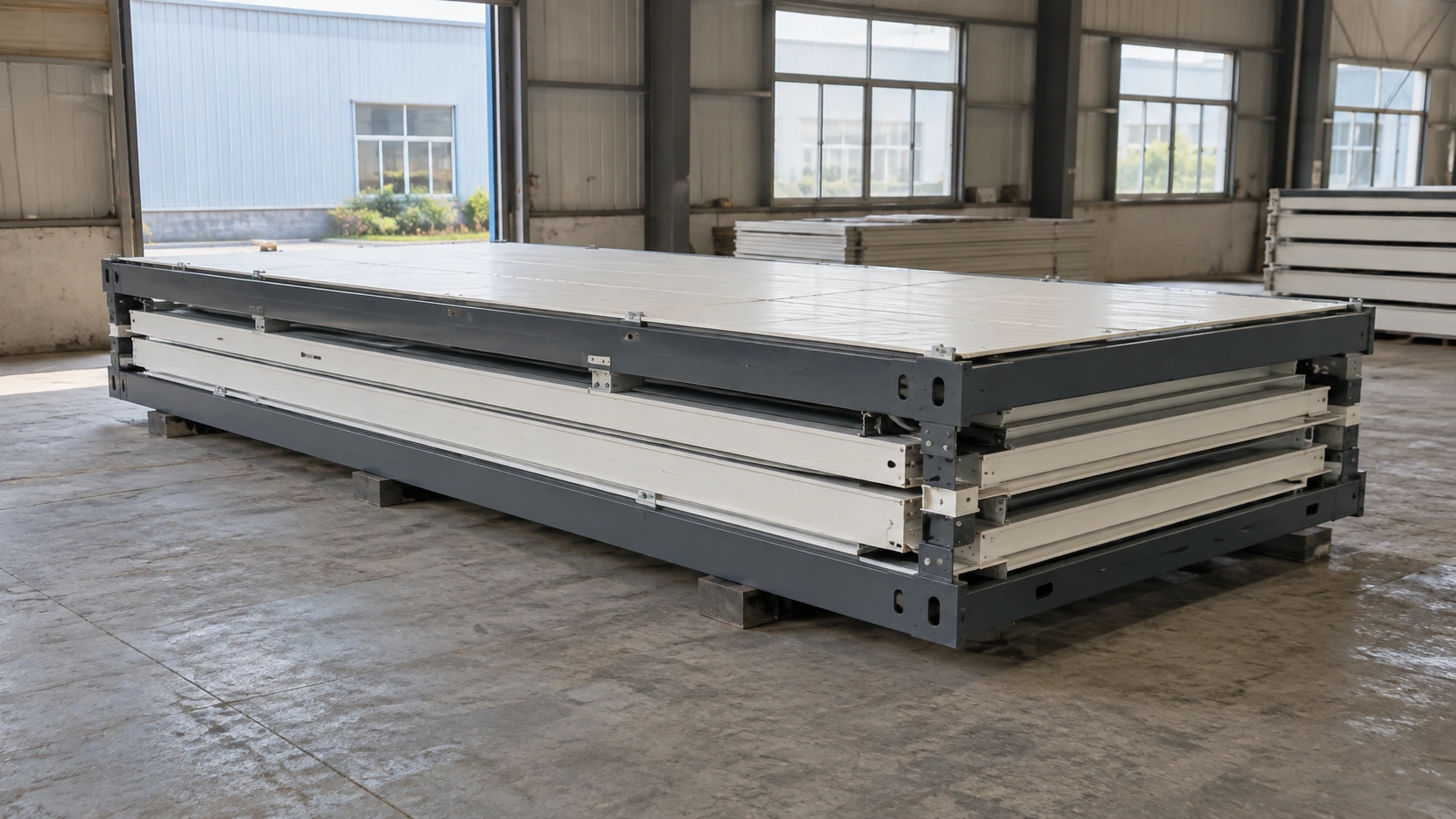
Keep folding and other expandable arrangements distinct during the enquiry. Describe what changes between the delivered form and the intended room, and ask the supplier to clarify the offered mechanism. If a reference video shows a different product from the quotation, resolve that mismatch before using the video to estimate labour, handling equipment or installation time.
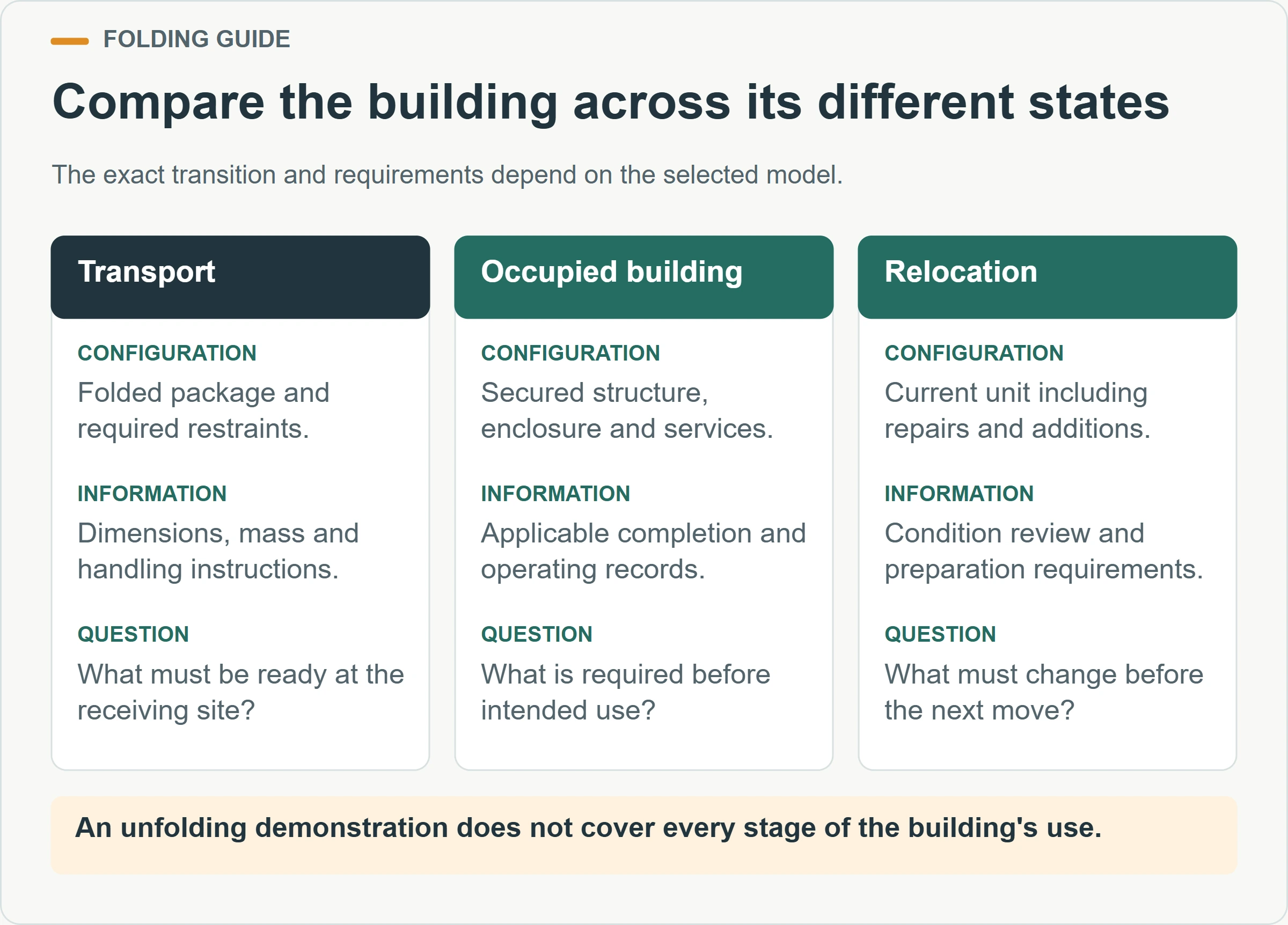
The useful first document is a state comparison: transport condition, installation activities, secured building condition and conditions for later movement. It helps the buyer identify what information is missing and which parties must review it. It also prevents an appealing transport image from becoming an unsupported assumption about the building’s completed performance.
What must the destination team know before delivery?
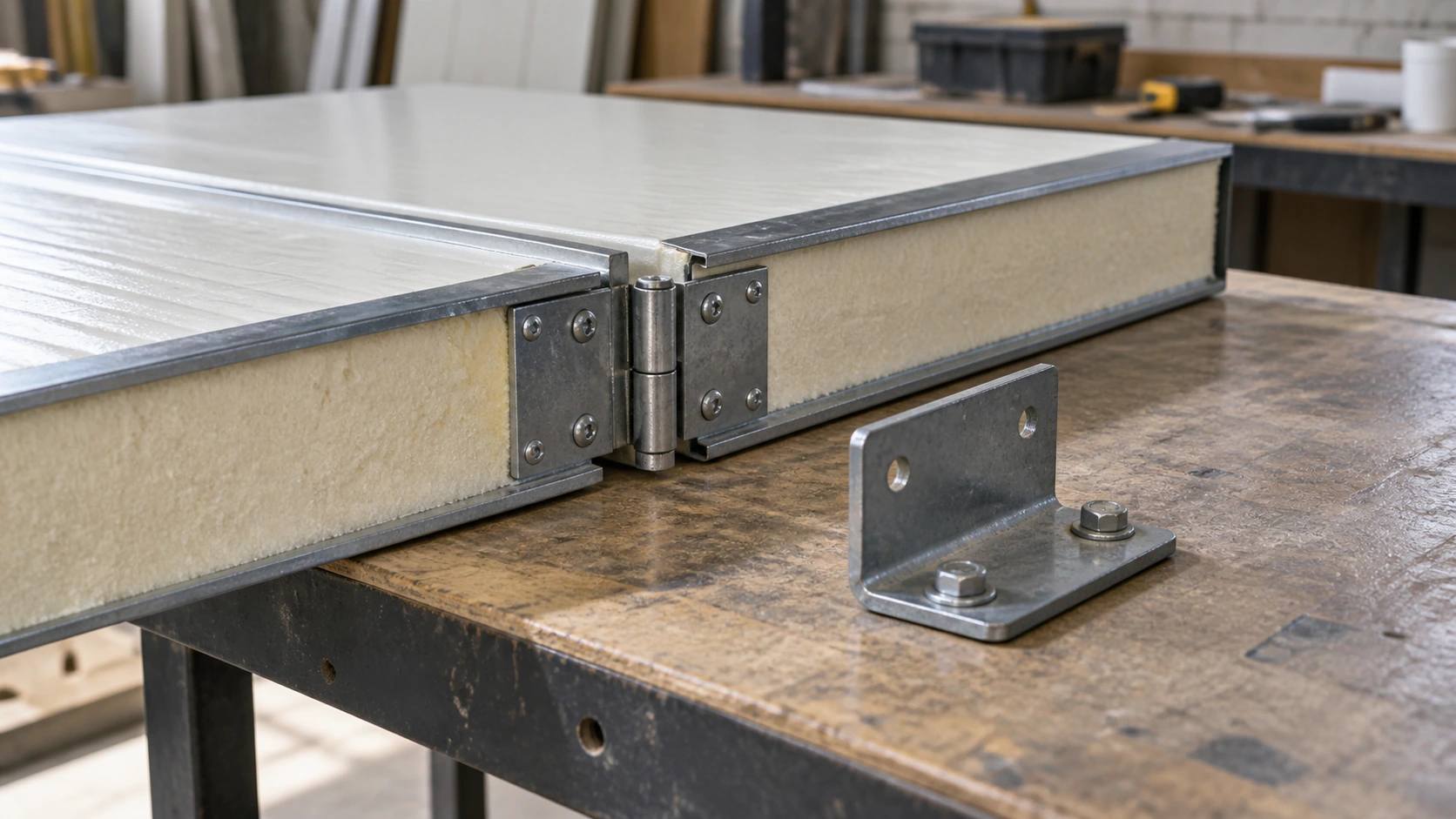
The destination team needs the selected product’s transport dimensions, mass information, handling requirements and installation scope. They also need the actual site arrangement, delivery route and planned work area. The responsible professionals should use these inputs to plan suitable operations. A compact package does not make access, ground conditions or nearby hazards irrelevant.
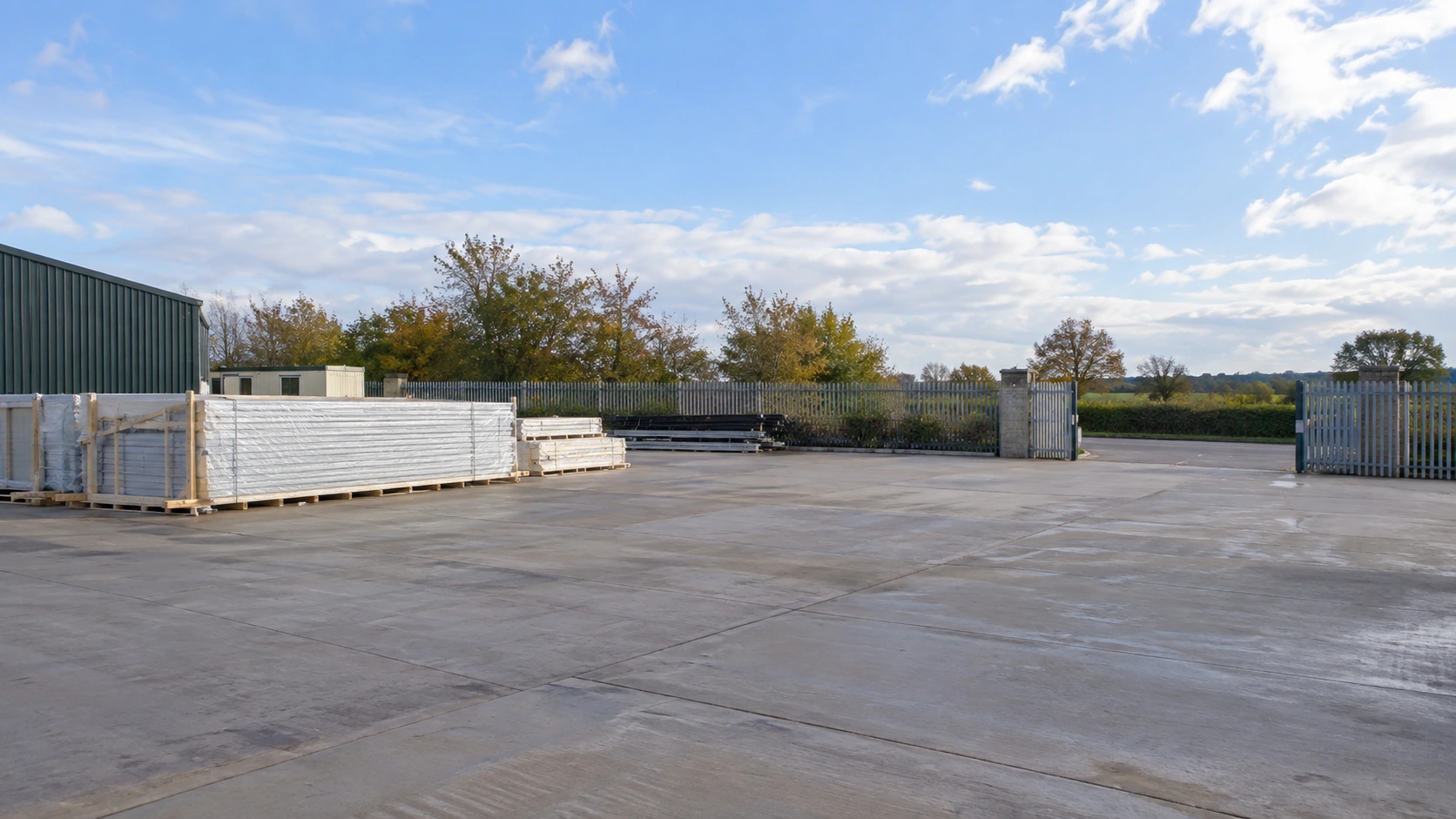
Separate the space occupied by the finished room from the space needed while the system is being installed. Moving assemblies, equipment and the work sequence can require a different arrangement from the final footprint. Ask the supplier for the applicable installation information and have the site team review the actual available space before committing to the delivery plan.
The UK HSE guidance on planning lifting operations emphasizes competent planning, suitable resources and clear responsibilities proportionate to the operation. For a folding-building project, this supports an important procurement question: who is responsible for planning the actual handling work, using the correct information about the unit and the site? A marketing demonstration is not that plan.
Agree a receiving arrangement for the delivered configuration. Identify how the unit and its accessories are marked, what documents accompany them and how discrepancies are reported. If a package or connection appears damaged, the team needs a clear route for assessment before affected work proceeds. Do not assume that successful delivery alone confirms readiness for unfolding.
How should moving joints and secured connections be distinguished?
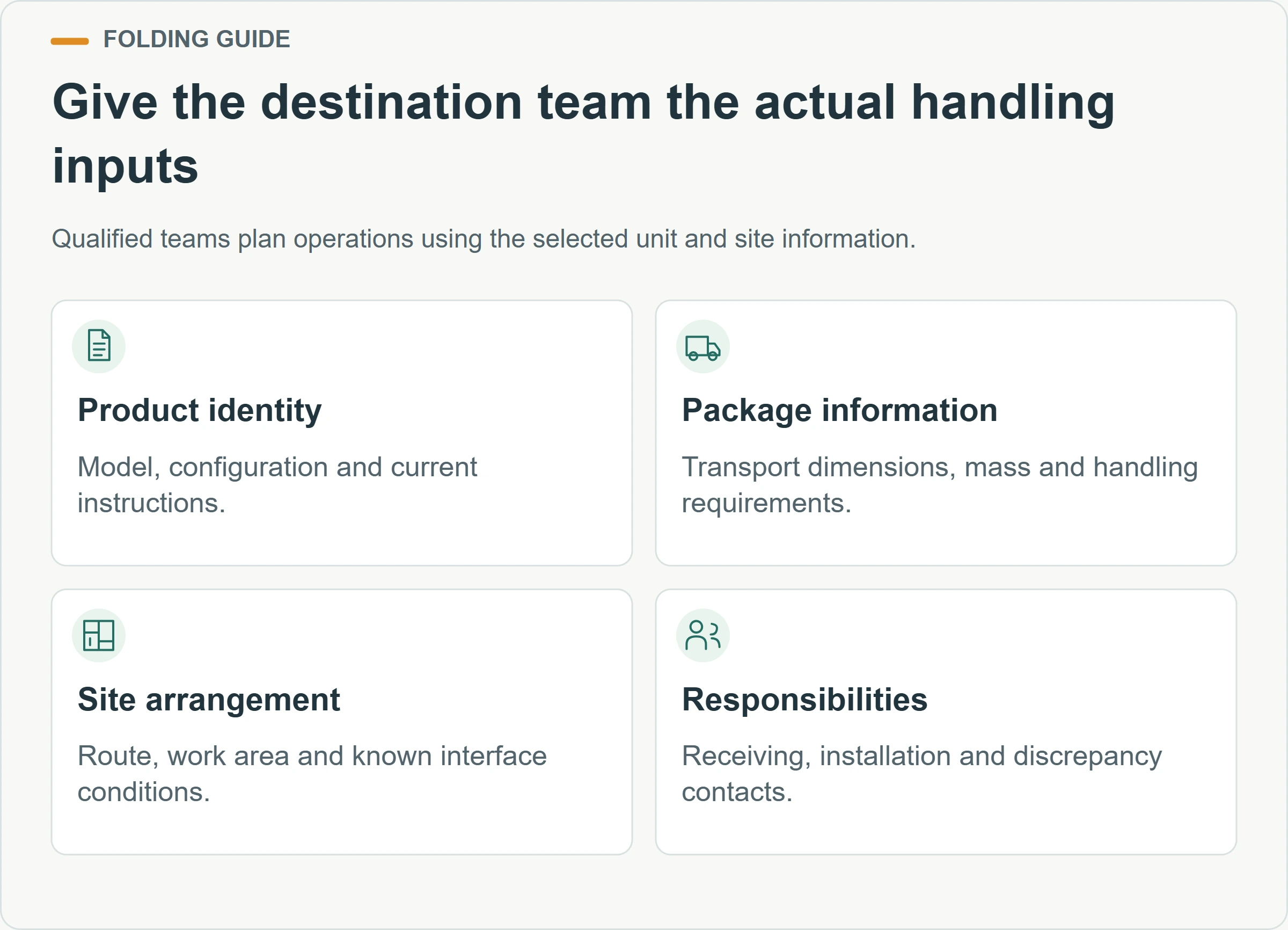
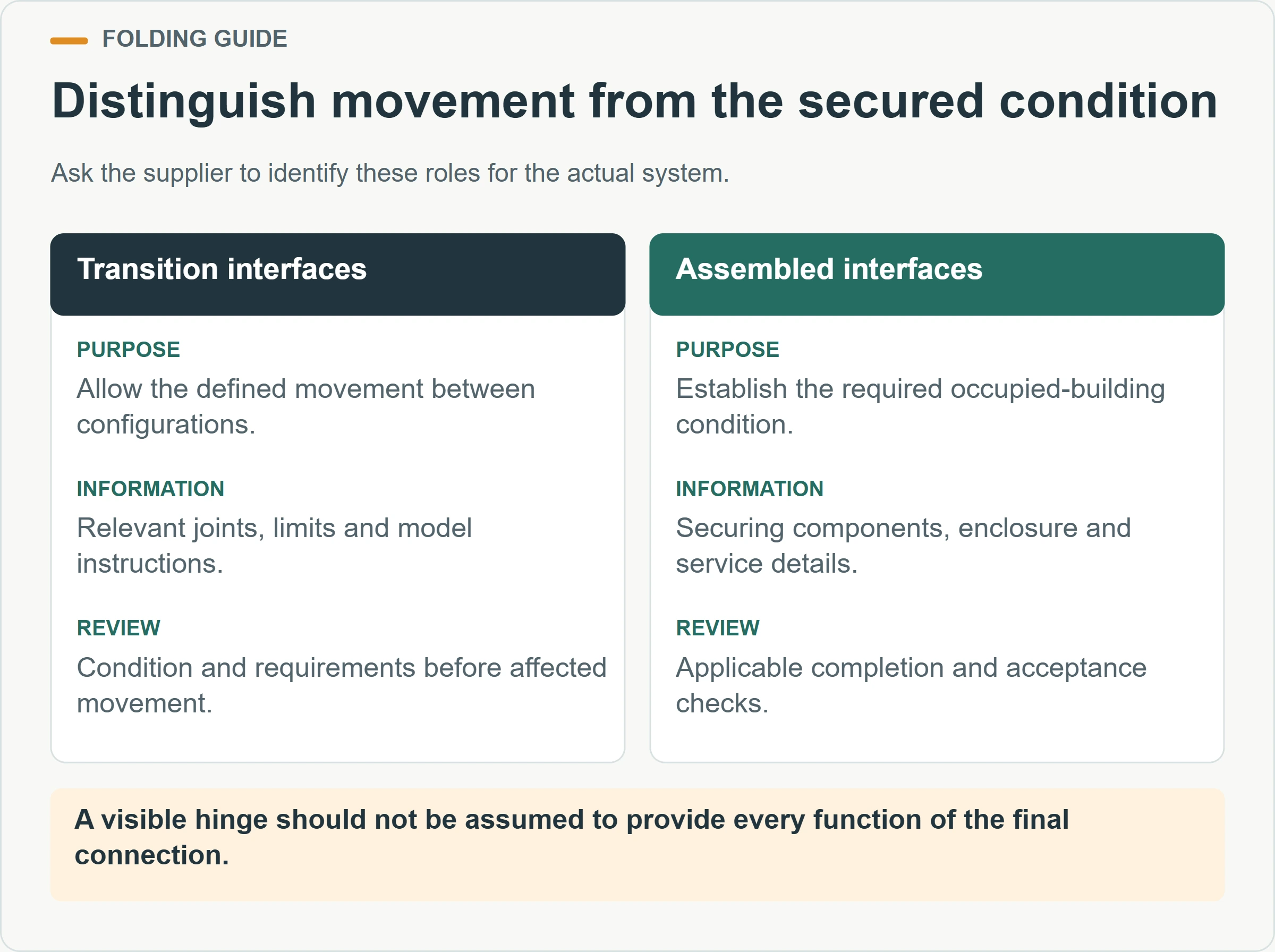
Distinguish components that allow movement during the transition from components that establish the required assembled condition. The exact relationship is model-specific. Ask the supplier to identify the relevant joints, securing components and inspection requirements in its current documentation. A visible hinge should not be assumed to carry every function of the completed connection.
For the buyer, a connection register makes the distinction easier to manage. Identify the location and purpose of each important interface, its condition during transport, what happens during installation and the information needed for later maintenance. The register should point to the manufacturer’s actual requirements rather than invent a generic fastening or adjustment method.
| Interface in the selected system | Question before purchase | Record to request |
|---|---|---|
| Moving joint | What movement does it allow, and what conditions govern that movement? | Model-specific instructions and component identification |
| Secured connection | What establishes the required assembled condition? | Relevant connection detail and inspection requirements |
| Transport restraint | What holds the unit in its approved transport arrangement? | Packing and handling information |
| Enclosure joint | What completes the intended weather enclosure after movement? | Applicable joint detail and care information |
| Service interface | What is retained, disconnected or completed locally? | Service boundaries and responsible-trade information |
Do not interpret a reported folding-cycle number without its context. Ask what was tested, which configuration was used, what maintenance was performed and what acceptance criteria applied. A component test, a demonstration and the service history of an occupied building are different forms of evidence. None should be silently treated as proof that every installed unit can undergo unlimited moves.
What if parts do not appear to align during installation?
The installation team should follow the selected system’s instructions and stop affected work for the appropriate assessment when the required conditions are not met. The buyer’s useful role is to ensure the correct technical contact and reporting route are available. Forcing movement or improvising a connection without a supported method can obscure the original issue and create further uncertainty.
What needs to be checked after the room is secured?
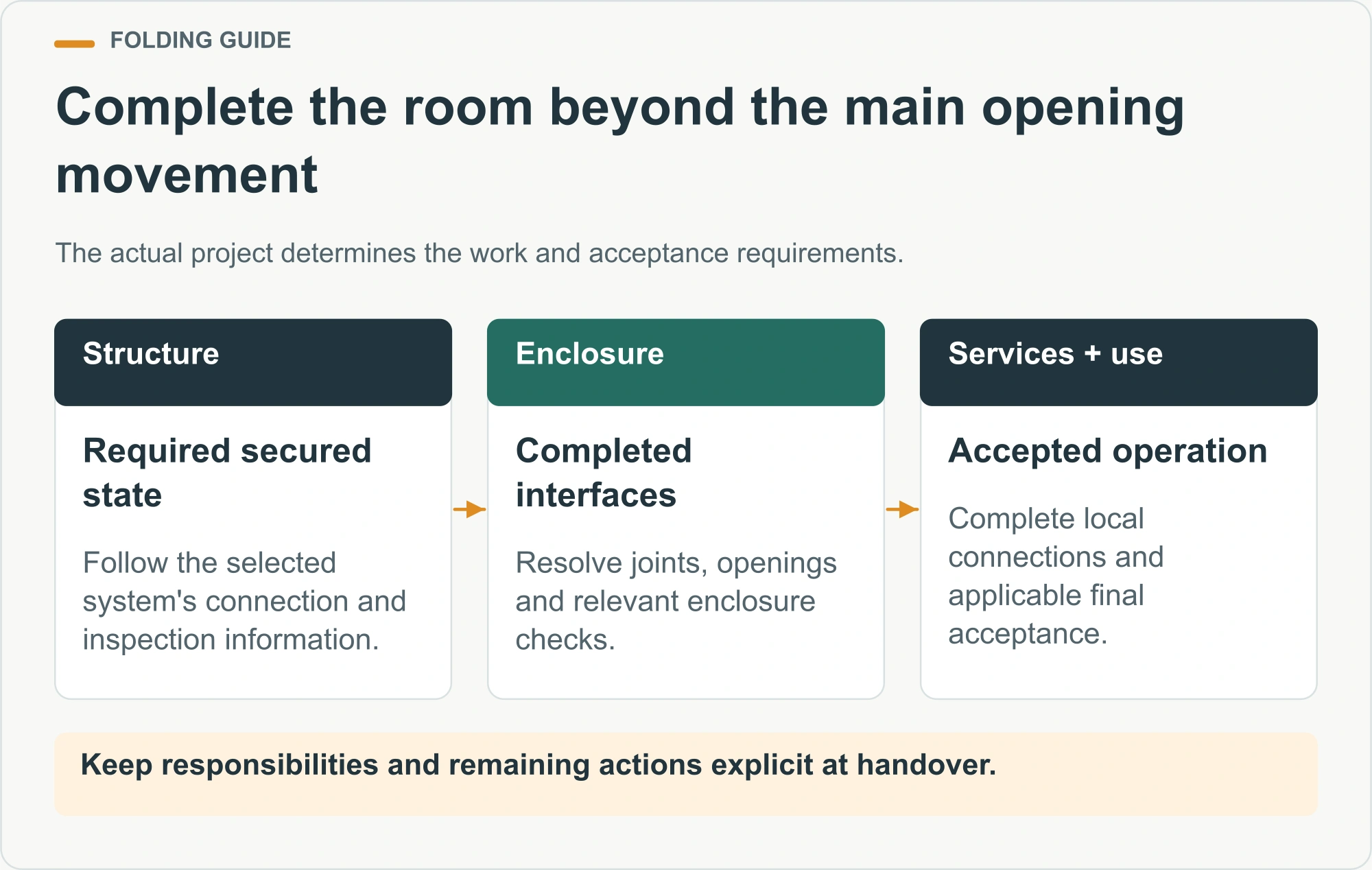
The completed building needs the applicable structural, enclosure and service checks for the actual project. The transition to an upright room is a visible milestone, but it is not the same as final acceptance. Identify what remains after the main movement is complete and which team owns each remaining activity.
Review the enclosure interfaces using the current details. Relevant locations may include moving wall joints, roof-to-wall interfaces, openings and connections to adjacent assemblies, depending on the selected model. Ask how the specified sealing arrangement is completed and verified. The purpose is to confirm the offered system’s intended condition, not to prescribe one sealant or repair approach for every folding product.
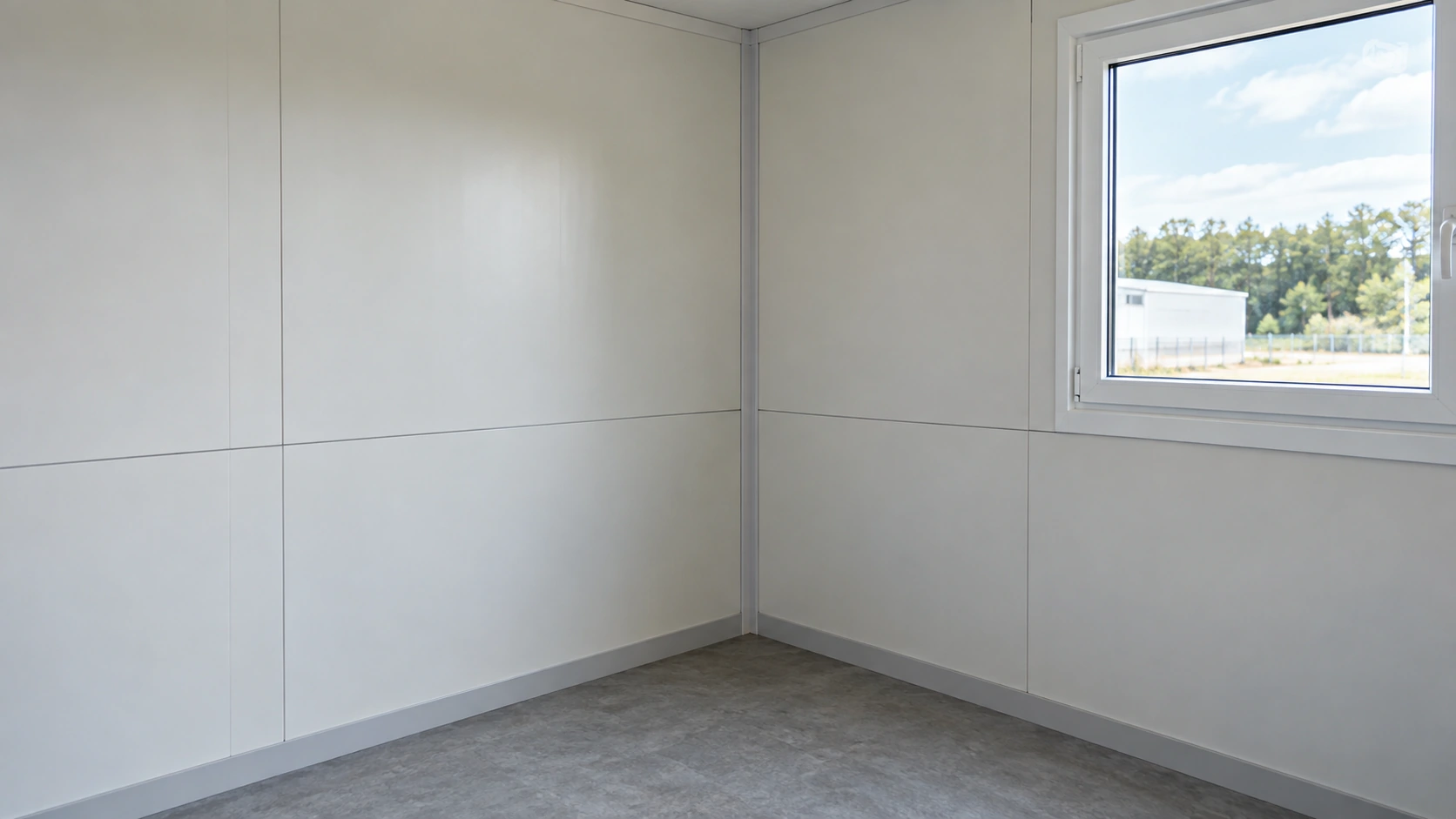
Record door and window operation and the relevant finish condition as part of the appropriate completion review. Keep any observation tied to its location and drawing reference. A simple description such as room checked is less useful than a record identifying what was examined, the result and any open action. The receiving operator should understand both the accepted scope and the remaining responsibilities.
How should service connections be handled?
Clarify which services are factory-installed, which are prepared for connection and which require destination work. Electrical, water, waste and equipment arrangements should be reviewed and completed by the appropriate responsible teams. An internal cable or pipe being present does not establish that the local service connection is complete or accepted.
If services cross a moving interface, ask for the selected system’s relevant information. Identify how the interface is managed through installation and later movement, and what checks are required before use. Do not infer the answer from a different model’s video or from the fact that a fixture remains physically inside the folded package.
How can the operating team maintain a folding unit effectively?
Start with the installed configuration and retain the applicable instructions for the structure, enclosure, moving components and equipment. Record the unit identity, location and any changes made during installation. The maintenance team should know which components belong to the original system and which were added by local contractors or later occupants.
Ask for the manufacturer’s care requirements for joints, securing components, protective finishes and seals. Keep those requirements specific to the delivered products. A general recommendation to maintain hinges does not identify the correct inspection, replacement or servicing method. The operator needs usable instructions and a route for resolving a condition that falls outside routine care.
For each significant finding, record what changed, where it occurred and whether it affects the occupied building, a future movement operation or both. A problem may need attention during normal use even if relocation is not planned. Conversely, an interface that appears satisfactory during occupancy may still need the specified review before the unit is folded again.
When several units are managed as a fleet, preserve each unit’s individual history. Similar appearance does not mean that two units have the same revision, replacement parts or service alterations. Keep component references associated with the correct unit, and obtain the appropriate confirmation before using an alternative part. This helps a later relocation team distinguish a standard arrangement from a repaired or modified one without relying on the memory of the person who managed the previous site.
| Operating record | Information to keep | Why it matters before reuse |
|---|---|---|
| Component condition | Findings and completed maintenance | Supports assessment of the actual unit |
| Repair history | Parts, materials, instructions and verification | Explains changes from the original configuration |
| Added items | Fixtures, partitions, services and external accessories | Identifies work that may affect movement or packing |
| Use history | Relevant changes of function or operating conditions | Helps the reviewer understand current requirements |
| Current documents | Applicable revisions and technical contacts | Gives the next team a coherent reference |
What should be planned before a folding house is moved again?
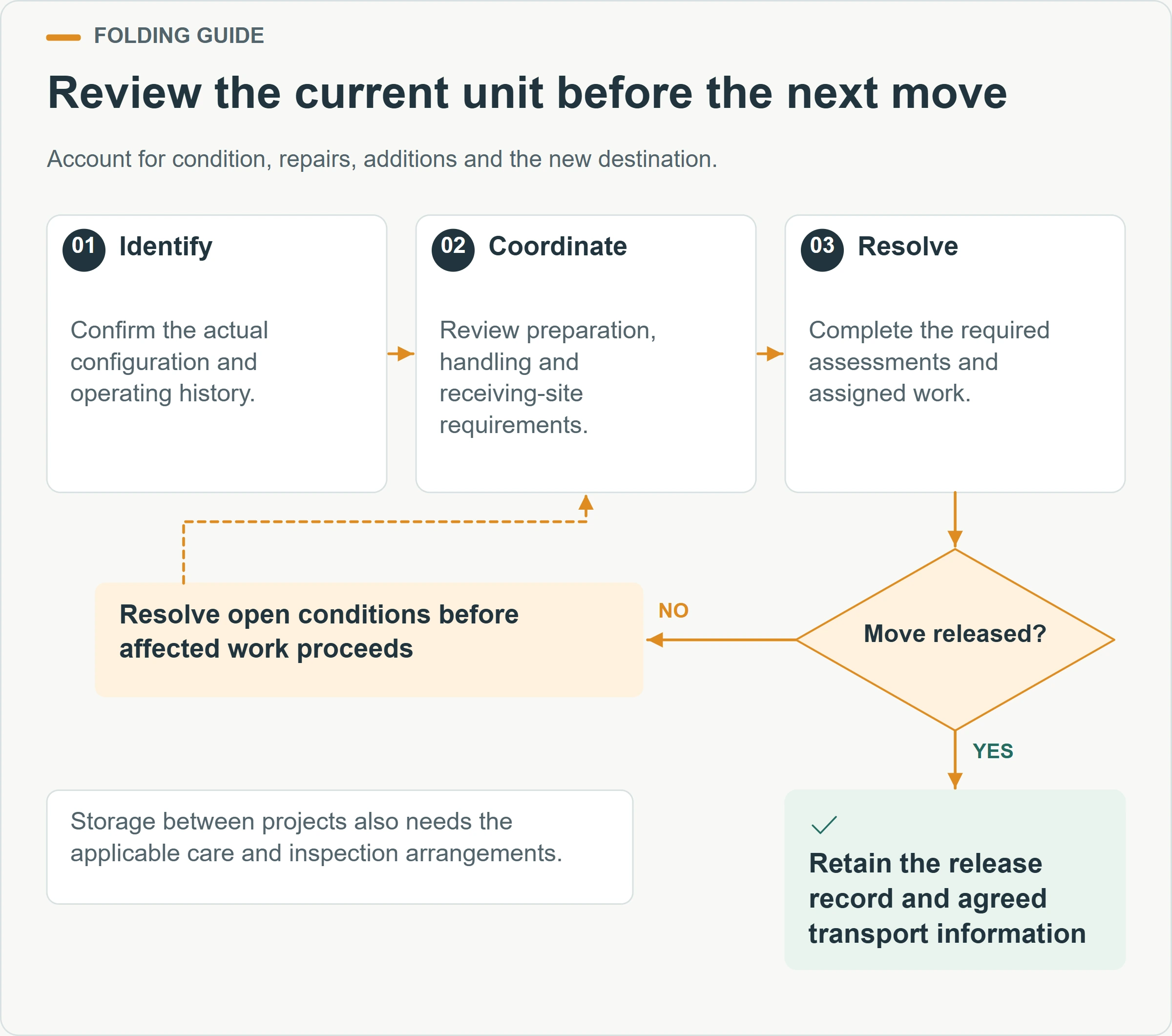
Treat relocation as a new project stage with a defined release decision. Confirm the identity and current condition of the unit, the proposed destination and the selected system’s requirements for preparing it to move. Ask which technical assessments, handling arrangements and destination approvals are needed. Previous successful installation does not automatically establish suitability for the next move.
Review additions made during use. Furniture, external canopies, locally installed services and internal alterations may affect the preparation scope. Identify what must be removed, disconnected, retained or otherwise addressed under the appropriate instructions. Keep the work assigned to responsible people; do not leave it as a vague instruction to make the unit ready for transport.
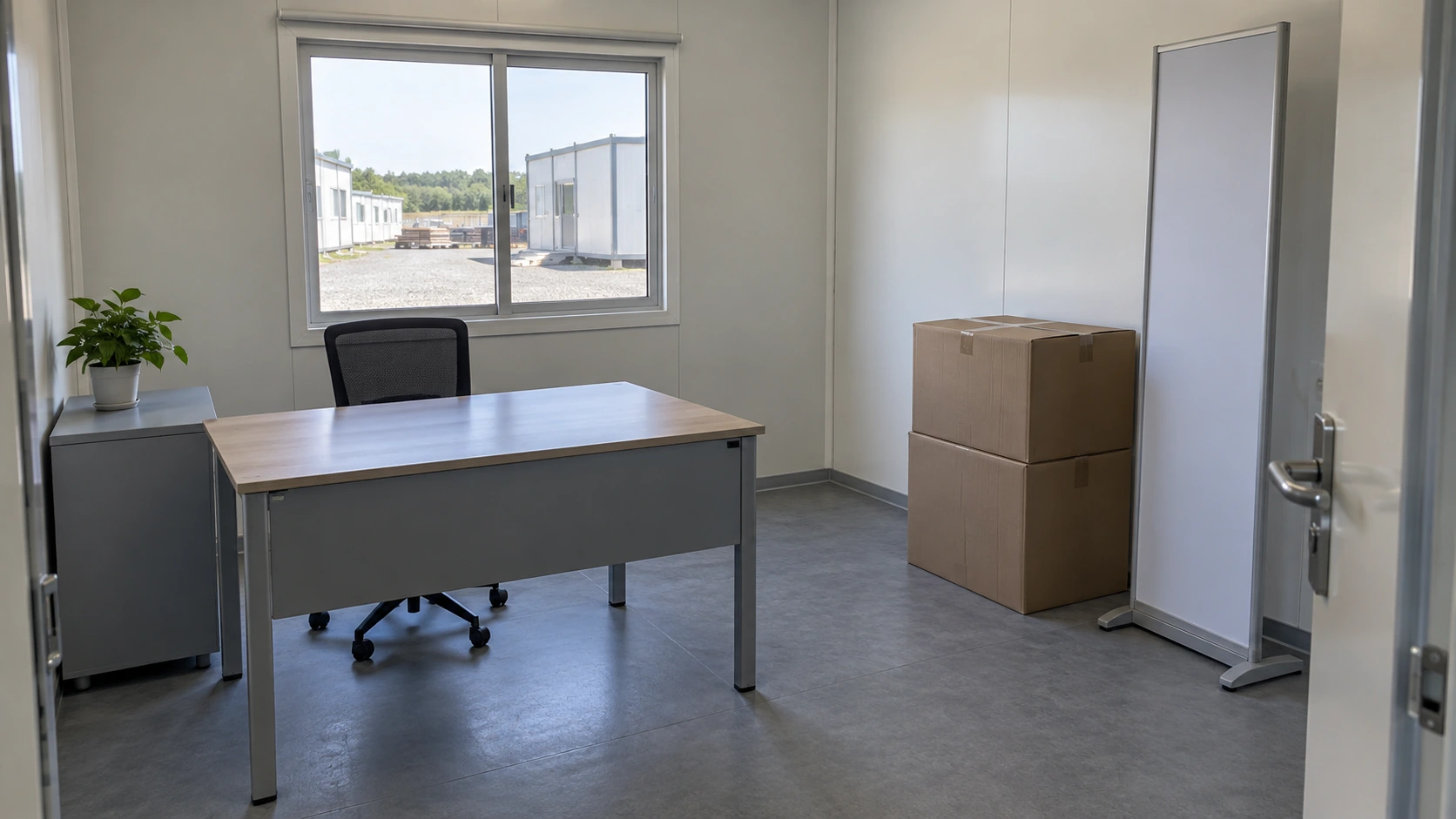
A hypothetical site office illustrates the issue. The original folding unit has acquired a locally installed display, extra storage and an external connection arrangement during operation. Its original packing information remains useful, but the current building is no longer described completely by the initial delivery list. The relocation review should account for the additions before the team decides how to prepare and move it.
Coordinate the removal and arrival plans. The receiving site needs the relevant product and condition information, planned delivery arrangement and installation responsibilities. If the unit will be stored between projects, identify the manufacturer’s storage requirements and the operator’s inspection arrangements for that period. A gap between occupied uses is still part of the asset’s history.
Does compact transport guarantee a lower total relocation cost?
No. Evaluate the actual preparation, disconnection, handling, transport, storage, reinstatement and verification scope. The transport configuration is one input to that evaluation. Different systems and destinations can place different demands on equipment and local work. Compare the full intended operation rather than carry a shipping-volume claim directly into a total project-cost conclusion.
How should a buyer evaluate a demonstration or reuse claim?
Ask what is included in the demonstrated time or activity. A clip may show only the main opening movement after the unit has already been positioned and prepared. It may omit site preparation, securing work, service connections and final checks. The useful response is to identify the demonstration boundary, then request the full scope for the proposed installation.
Likewise, distinguish a factory demonstration from evidence of repeated use under the intended operating conditions. Ask for the relevant model information and the basis of any claim about reuse, maintenance or performance. If evidence relates to a different configuration, record that difference and request clarification instead of assuming the result transfers automatically.
| Claim presented to the buyer | What it might cover | What still needs clarification |
|---|---|---|
| Opens quickly | One visible transition activity | Preparation, securing, connections and acceptance scope |
| Compact shipment | A named transport arrangement | Actual package information and the destination operation |
| Reusable system | Intended ability to move again | Condition requirements, preparation and destination review |
| Tested joint | A defined component or assembly test | Test subject, conditions, criteria and applicability |
| Complete room | A particular delivery or installation state | Remaining local work and permission for intended use |
The same approach applies to a reference project. A completed room in another location can help explain the system, but it does not settle your foundation, services or approval requirements. Use references to improve the enquiry and request the information needed for the actual proposed building. This produces a clearer decision than treating a successful photograph as a universal performance certificate.
What belongs in a practical folding-house enquiry?
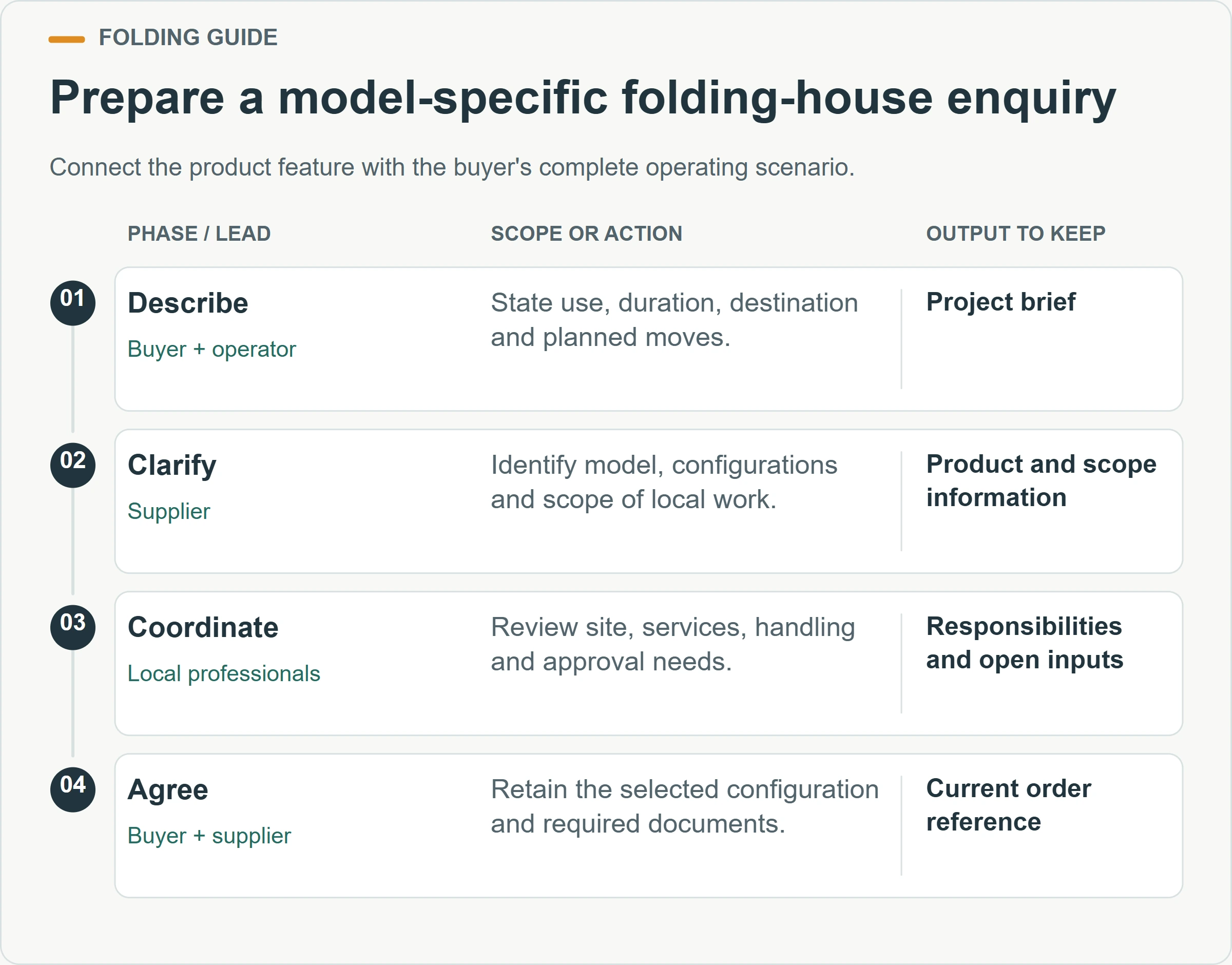
Describe the destination, intended use, quantity and expected period of occupancy. State whether relocation is a firm requirement, a possible later option or not part of the plan. Include known delivery constraints and the local resources available for installation and servicing. These details help the supplier discuss whether the proposed system fits the operating strategy.
Ask for the actual model’s transport and assembled information, the scope of local work, relevant installation and maintenance documents, and the requirements for later movement. Identify fixtures, services and accessories that must form part of the offer. Keep any unresolved site or technical input visible so the response can address it directly.
What information should travel with a reused unit?
Retain the unit identity, current configuration, relevant drawings, maintenance and repair history, and the records supporting release for the planned move. Include the agreed packing information and the destination team’s installation requirements. The next operator should be able to understand the actual building without reconstructing decisions from photographs and informal messages.
Use a simple document index to make that handover practical. Mark current and superseded information clearly, and identify the contact for questions about the supplied system. If the receiving team cannot open a drawing or match a component label to the record, resolve that before the information is needed on site. Document usability is part of a workable reuse plan.
How should the buyer compare folding and non-folding options?
Compare the complete operating scenario: the intended room, transport arrangement, installation resources, maintenance support and any future moves. A folding mechanism is valuable when its actual characteristics fit those needs. It should be evaluated with the rest of the building system and local work, rather than as an isolated feature that automatically determines the best product.
Review the PQSE folding container house as a starting point for a model-specific discussion. Send the project and reuse requirements so the proposal can identify the offered configuration, the supporting information and the work that belongs to the destination team.
Discuss your folding container house project
Setup and reuse brief — open the checklist
Copy these headings into your project brief. Add your own information and mark unresolved items for review.
| Record | Information to add |
|---|---|
| Selected unit | Model, opened/folded state and document revision |
| Installation scope | Site readiness, securing, enclosure and local services |
| Operating history | Condition, maintenance and added fixtures |
| Next move | Assessment, removal/disconnection scope and destination needs |