
Check the order against approved drawings and specifications at the stages when the work is accessible, then verify corrections before release. A useful container house quality checklist links each result to the actual unit, component package or batch.
Start before production. A finished-room photograph cannot establish concealed materials, the drawing revision used or whether the accessories are complete. Agree what evidence you need while those items can still be checked.
Use the worksheet below for purpose-built prefab container houses. The approved project requirements define acceptance limits and the engineering or service checks needed for your order.
Establish the Reference Documents First
The checklist needs a coordinated reference set before it needs a pass/fail column. Confirm the current layout, model drawings, material schedule, service scope and packing requirements.
Record revisions and resolve conflicts. If the drawing includes a window that the quotation excludes, settle the requirement first; an inspection cannot decide the commercial scope.
Connect the requirement, item and result
Use a reference chain that the buyer, factory and reviewer can follow: approved requirement, identified item, check performed and recorded result. The chain can use a room number, assembly reference or material batch depending on the order. The important point is that the record identifies what the conclusion covers.
An inspection report with many photographs can still be difficult to use if none identifies the product or requirement. Agree those fields before the review. This gives the inspector a clear basis for recording an observation and gives the buyer a way to ask a precise follow-up question.

Build an inspection plan around accessible stages
| Stage | Main question | Useful output |
|---|---|---|
| Before production | Are the configuration and acceptance requirements coordinated? | Agreed document set and inspection plan |
| Incoming materials | Do the identified materials match the specified requirements? | Material references, checks and relevant supporting records |
| During fabrication and assembly | Is the work correct while connections and interfaces remain accessible? | Recorded checks tied to units, assemblies or batches |
| Before packing | Are the product checks complete and outstanding items resolved? | Final inspection record and correction status |
| Packing and dispatch | Are the correct components protected and identifiable? | Packing list, package records and release information |
| Site receipt and completion | Has the order arrived as recorded and been completed within the local scope? | Receiving checks and applicable installation or service records |
Schedule any required buyer review before the relevant work is covered or packed. Checking a connection while exposed is easier than requesting access after closure.
Agree when a review must happen
Identify checks that need access before panels, linings or packing conceal the work. Agree who needs to see the result and when a response is required in the production sequence. If a buyer or independent reviewer must attend, arrange that access before the relevant stage is complete.
Keep the plan realistic about what can still be checked at dispatch. A final review can reconcile visible condition and records, while some concealed work depends on earlier evidence. If a planned check was missed, record the gap and have the responsible parties agree how to address it rather than silently marking the stage complete.

PQSE House’s quality-check overview describes the main manufacturing stages for discussion. Ask which inspection points and records are appropriate to the system and configuration being quoted.
Check Materials and Their Identity
Connect each material to the order, requirement and supporting record. A certificate for an unidentified batch does not establish the material used in your building.
For frame materials, discuss the specified type, relevant dimensions, surface condition and supporting material information. For panels, confirm the proposed core, thickness, facing and intended assembly. Include floor materials, doors, windows and service components where they form part of the order.
Compare the complete panel specification
Check the panel facing, core, thickness, joints and relevant assembly details. Evidence for one component does not automatically cover the complete wall. Match the report’s tested configuration to the claim being made.
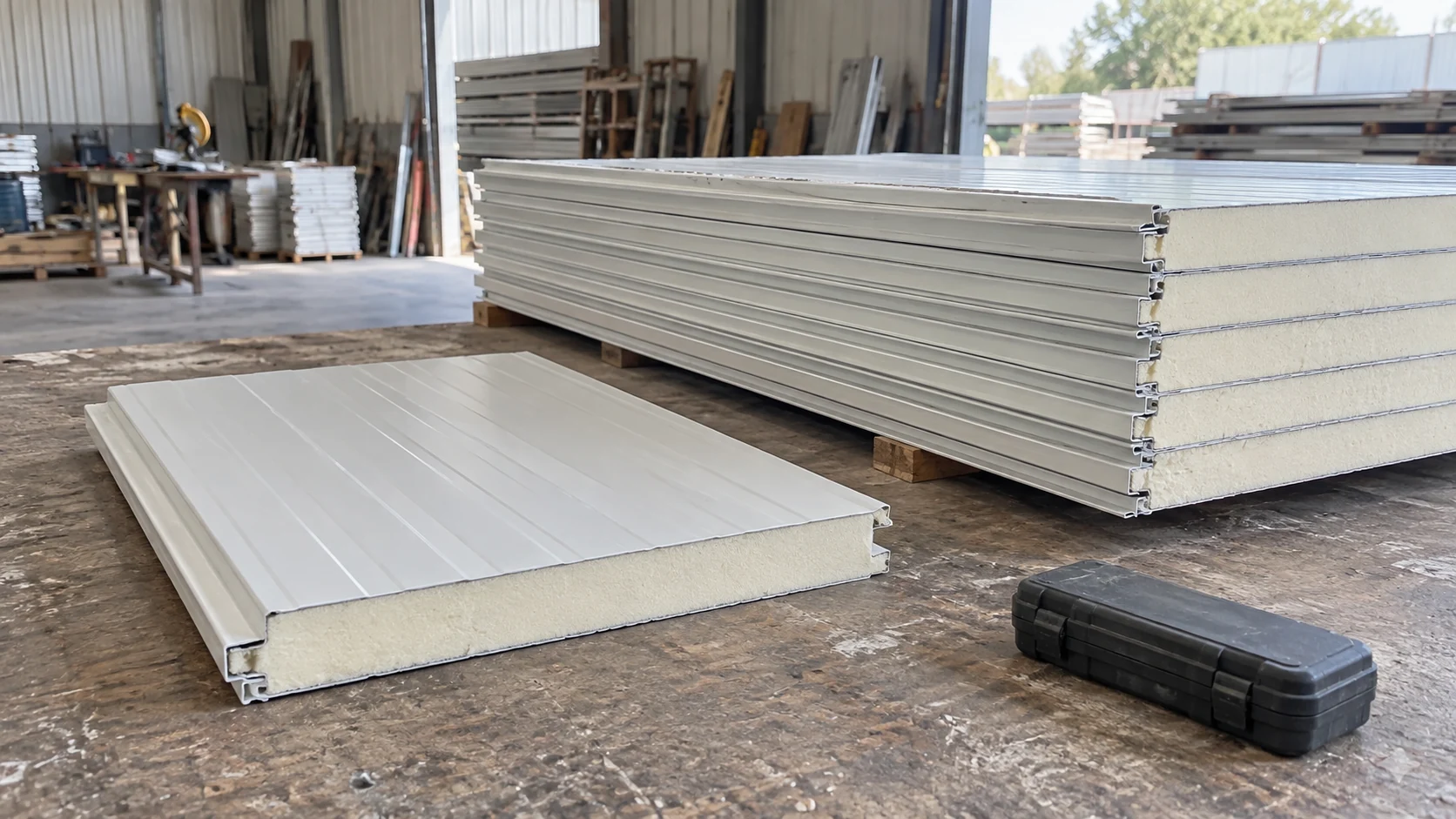
If substitutions are proposed, record them before approval. Identify the affected requirement, supporting information and whether the drawing or material schedule needs to change. Keep the final agreed version available to both production and inspection personnel.
Keep substitutions connected to the affected requirements
A proposed substitution needs more than a replacement product name. Identify the original requirement, the alternative, the reason for the change and the documents that support the comparison. Have the appropriate decision-makers review any effect on fit, performance, finish or scope.
After acceptance, update the material schedule and affected drawing references so the inspector is checking the agreed product. Retain the change record with the order file. Otherwise a later reviewer may see a different material and be unable to distinguish an approved change from an unresolved deviation.

Decide what will be measured or documented
Agree which requirements need document review, measurement, observation or a specified test. Record the inspection coverage and, where applicable, the instrument and its verification or calibration information.
Use acceptance limits and sampling arrangements established for the actual product and project. Record what was examined so a sample result is not mistaken for a check of the whole order.
Choose the check method for the characteristic
Document review, observation, measurement and testing answer different questions. A material record can help identify a supplied item; a measurement records a dimension at a stated location; an operation check observes how a fitted item behaves. Use the method and acceptance requirement established for the characteristic being examined.
If sampling is agreed, record which units, assemblies or batches were selected and what each check covered. Keep unchecked items distinguishable from passed items. A blank result, an inaccessible detail and a recorded conforming result are different states and should not be combined into one reassuring summary.

Review Frames, Connections and Surface Finish
Check the frame dimensions and connection details that control room fit, openings and module interfaces. Locate each result on the relevant drawing and identify the unit or assembly checked.
Visual review can identify accessible damage, incomplete work or obvious differences from the agreed detail. It does not replace engineering review or a specified connection or weld examination. Keep the required method and the inspector’s competence appropriate to the characteristic being assessed.
Use an order-specific checklist
Add the drawing reference, acceptance requirement, unit or batch identifier, method and result to each applicable row.
| Checkpoint | What the reviewer should establish | Record to request |
|---|---|---|
| Frame materials | Identity and relevant dimensions match the specification | Material reference and inspection record |
| Overall geometry | Required dimensions and alignment match the approved drawings | Measurement record with locations and results |
| Connections | Specified connection components and details are present | Connection checks and any required examination results |
| Surface finish | Preparation and coating meet the agreed finish requirements | Recorded surface checks and specified test results, if applicable |
| Floor assembly | Materials, support arrangement and finish match the selected system | Assembly record and identified deviations |
| Wall and roof panels | Panel specification, alignment and interfaces match the drawings | Material identification and assembly checks |
| Doors and windows | Type, position, operation and fitted details match the layout | Operation and installation record |
| Weather protection | Agreed joints, seals and drainage details have been completed | Detail checks and any specified water-test record |
| Electrical scope | Supplied components, circuits and site interfaces match the agreed design | Qualified inspection and applicable test records |
| Plumbing scope | Installed components and site connection points match the agreed design | Qualified checks and applicable test records |
| Trial fit | Selected interfaces and assemblies fit as required | Trial-fit record identifying what was assembled |
| Accessories and packing | Quantities, package identity and protection match the dispatch scope | Final component list, photographs and packing record |
Use unit identifiers for assembled rooms and assembly, package or batch references for component orders. The record should identify what was checked without relying on someone recognizing a photograph.

Make results usable for a later reviewer
Record the observed result and compare it with the applicable requirement, rather than entering a generic “good” beside every row. Where a value is measured, include the location, unit of measurement and relevant instrument information required by the plan. Do not create numerical acceptance limits that are absent from the approved documents.
When the check is visual or operational, describe the condition examined and attach an identified image if useful. The purpose is traceability: a reviewer should understand the scope of the result without needing the original inspector to explain every photograph.
Check Panels, Openings and Services Before Handover
The room needs to function as the specified space. Check the agreed door and window positions, clear openings, operation, finish and interfaces. Review the details around corners, roof joints and any connections between units.
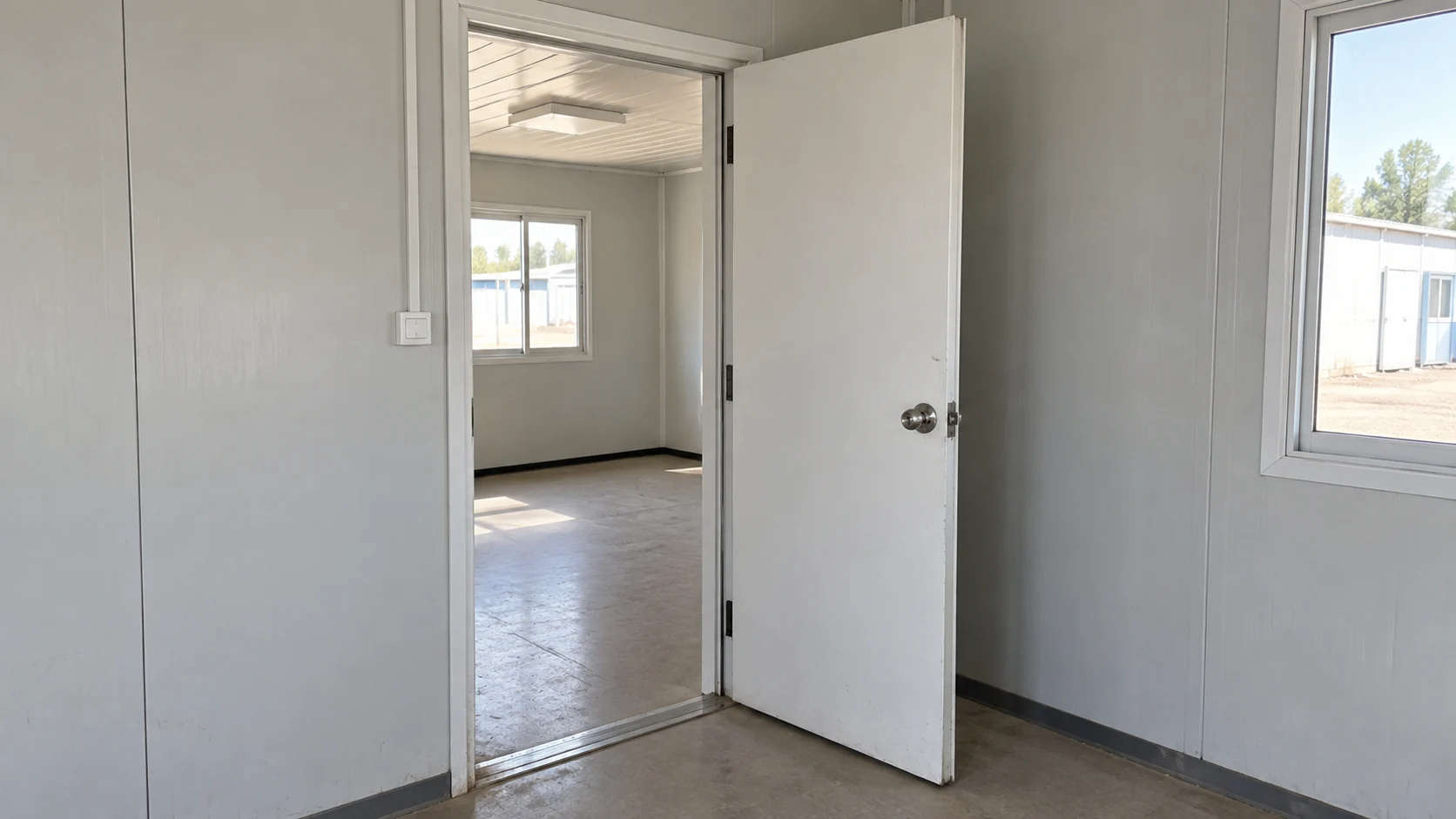
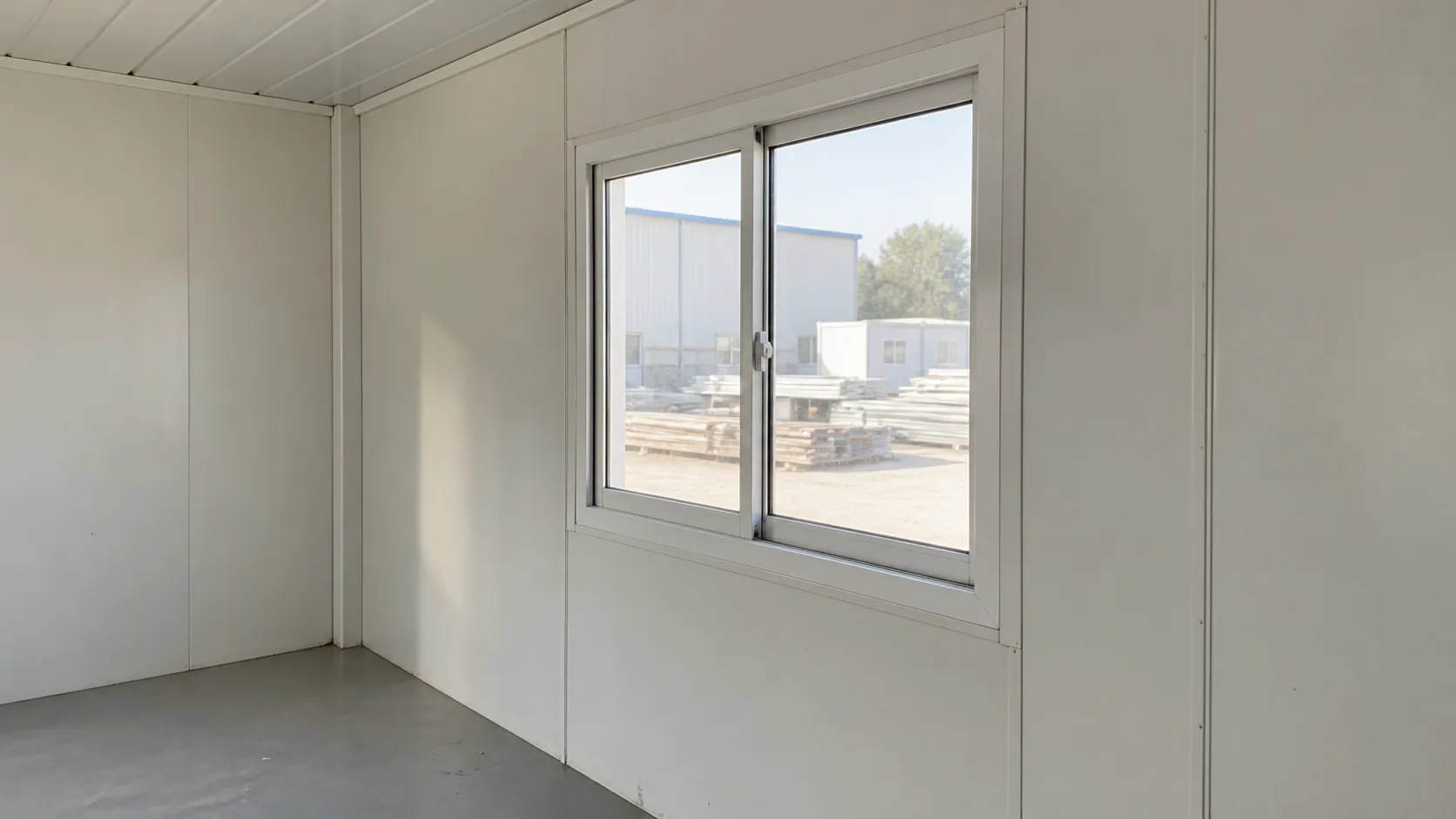
If water testing forms part of the agreed scope, record the method, conditions, area tested and outcome. Avoid treating a general statement such as “waterproof” as the test record. The check should correspond to the supplied assembly and the requirements agreed for it.
Distinguish factory service work from site completion
Show which electrical and plumbing work is factory-installed and which remains on site. Record the connection positions and information the local team needs.
Have qualified personnel define and conduct applicable service checks. A working light does not establish completion of electrical testing; a fitted bathroom photograph does not verify concealed plumbing.
Keep site completion checks on the plan where services or components will be connected after transport.
Keep the factory and site completion records separate
Create a clear handover for supplied service work: what has been installed, what was checked, what remains disconnected and what information the local team needs. A factory record should not imply that work to be completed after arrival has already been verified.
The local completion record should identify the relevant product and drawing revision so it can be linked to the factory file. This keeps the whole project visible while preserving the boundaries of each review. Have qualified personnel determine and complete the applicable work and checks for the destination.

Define what trial assembly will cover
For a flat pack or detachable order, clarify which components will be trial-fitted and what will be recorded. A trial of one selected arrangement does not mean every package was fully assembled. The record should identify the coverage so the buyer can review it accurately.
Use the flat pack product information to frame questions about the selected system’s assembly and delivery form, then confirm the inspection scope for the actual order.
How Do You Know an Inspection Issue Is Actually Closed?
An issue closes when the agreed correction or accepted change has been verified against the requirement. Give each finding an item number, locate the unit or component, and assign the person who will review the result.
Keep Corrected, awaiting verification separate from Verified and closed. A supplier’s “fixed” message reports an action; the verification record establishes the outcome.
Make the record specific enough to act on
Here is a hypothetical record format for a window that opens in a different direction from the approved drawing:
- Identify: QC-01; Unit B04; window W2; approved drawing revision C.
- Describe: observed opening direction differs from the drawing; attach an identified photograph.
- Agree the action: restore the approved arrangement, or submit a proposed change to the responsible designer and buyer.
- Verify: record the recheck against the approved requirement, reviewer and date. Close the item only after the result or accepted change is documented.
Route changes affecting installation, performance or scope to the appropriate decision-makers. Closing a checklist item does not authorize an inspector to change the design.
Track status without treating activity as closure
A practical issue register separates the finding, the proposed action, the completed action and the verification. It should also identify the person responsible for the next step. When a change rather than a correction is proposed, keep the decision record with the issue.
The following status meanings are an example for organizing a register; adapt them to the agreed project process.
| Status | What is known | Next evidence needed |
|---|---|---|
| Open | A difference from a requirement has been identified | Agreed action and responsible party |
| Action agreed | The correction or proposed change has been reviewed | Record that the agreed action was carried out |
| Awaiting verification | The action is reported complete | Recheck against the approved requirement |
| Verified closed | The result or accepted change is documented | Retain the evidence with the release file |

Clarify independent inspection coverage
An independent inspection can provide a separate review of an agreed scope. SGS describes pre-shipment inspection as verification covering matters such as quality, quantity, marking, packing and loading against applicable requirements.
Give the inspection company the approved documents and agree its access, checks and exclusions. A general visit may leave concealed work, engineering assessment or destination approval outside its scope.
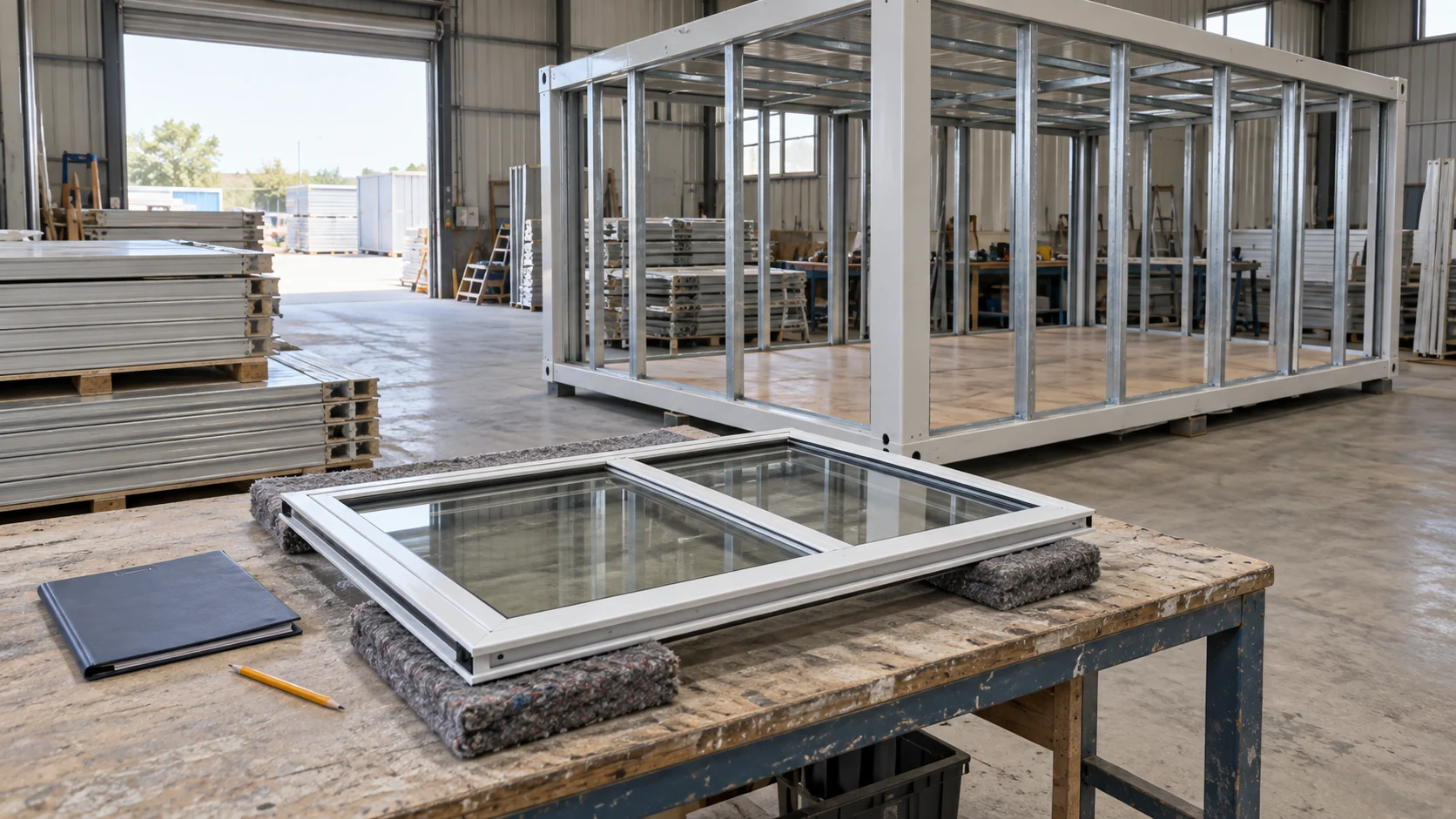
Review the Release File and Packing
Review the final configuration, inspection results and correction status together before dispatch. The packing list should identify the order actually being released.
A practical release file can include:
- The final drawing and material-schedule revisions used for the order.
- Inspection results that identify the checked units, assemblies or batches.
- Applicable test or examination records within the agreed scope.
- The issue list with verified correction status and any formally accepted changes.
- The final component and accessory list, package references and photographs.
- Handling, storage and installation information for the supplied system.
If materials or details changed after inspection, have the affected records reviewed again. Release evidence needs to match the final configuration.

Reconcile the release file before approving dispatch
Check that the final drawings, material records, inspection coverage and package list describe the same order. An individually valid document can still belong to an earlier configuration. Resolve mismatched revisions and open findings before treating the file as a complete release record.
Use a short release review to identify what is complete, what remains open and who can accept the remaining decision within the agreed process. Keep the actual acceptance record. A checklist graphic is a coordination aid; it does not replace the required approval or authorize dispatch by itself.

For package protection and handover information, continue with the container house loading and shipping guide. Carry the same package references into the destination receiving record.
What Do Certificates and Test Reports Actually Prove?
Match the document’s scope to the claim and to your order. Check the named entity, material or product, applicable standard, tested configuration, issue details and limitations.
ISO’s conformity-assessment guidance distinguishes management-system certification from product certification. Apply that distinction when reviewing the file:
- Management-system certificate: review the certified organization and scope; it does not certify every building model.
- Material or assembly test report: establish what was tested; check whether the proposed configuration matches.
- Order inspection report: identify the units, stages and checks covered; a sampled check does not establish that every item was examined.
PQSE House’s certificates and test reports provide an entry point for document review. Request the relevant originals and discuss their scope alongside your proposed configuration and destination requirements.
Review the evidence gap behind a broad claim
For a claim such as durable, weather-resistant or quality inspected, ask which requirement and record support the statement for the proposed product. The useful answer identifies the assembly, method, conditions and scope. A document title alone may not answer those questions.
If the available evidence covers only a material sample or selected inspection stage, describe that coverage accurately and identify the remaining questions. This approach lets the buyer review the file without turning a limited result into a claim about every unit, every destination or the entire service life.

Quality Control Questions Buyers Often Ask
Is a pre-shipment inspection enough?
It covers the agreed checks at the time and locations inspected. Some materials or connections may need earlier review while accessible, and site-installed work still needs the applicable completion checks. Plan the stages around what must be verified.
Should every unit be fully assembled at the factory?
That depends on the system and the agreed inspection plan. Confirm which units or interfaces will be assembled, the purpose of that review and how the remaining order will be checked. Record the actual coverage without describing a sample as the entire shipment.
What if a supplied item differs from the approved drawing?
Identify the item and document the difference. Ask the responsible parties to agree the action and update affected records. Keep the issue open until the correction or accepted change has been reviewed by the appropriate decision-maker.
Agree the Checklist with Your Order
Send PQSE House your selected system, layout, destination criteria and required inspection or document scope. We can discuss which production stages and records are relevant to the proposal.
If you are still deciding who should coordinate those activities, use the manufacturer, builder and contractor guide to assign the responsibilities before the order is confirmed.
Inspection record — open the checklist
Copy these headings into your project brief. Add your own information and mark unresolved items for review.
| Record | Information to add |
|---|---|
| Requirement | Drawing/specification reference and acceptance criterion |
| Item inspected | Unit, assembly or batch and check coverage |
| Result | Method, observation/measurement and supporting record |
| Follow-up | Deviation, assigned action, recheck and closure |