
An event rental provider in Ghana needed a restroom unit that could travel between venues and connect promptly on arrival. PQSE House was responsible for the modular-building work. The brief brought together towing dimensions, entrance arrangements, service points and clean and dirty maintenance routes for repeated bookings.
For a comparable rental purchase, the useful question is whether the proposed unit, destination services and operating responsibilities fit the same booking. A room can suit the intended guests while still needing a different arrival arrangement at each venue. Agree those changing requirements alongside the information that remains with the unit throughout its working life.
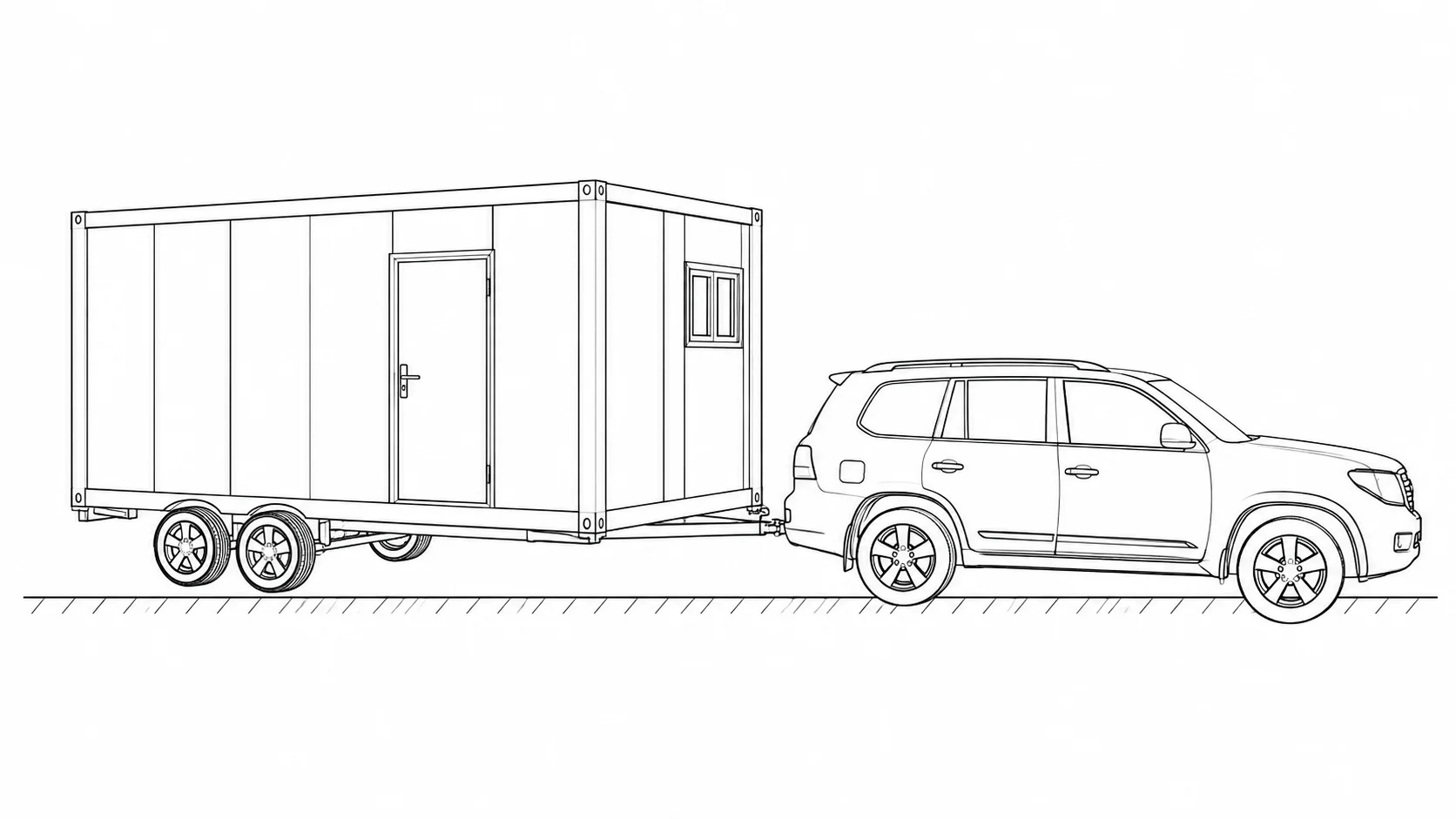
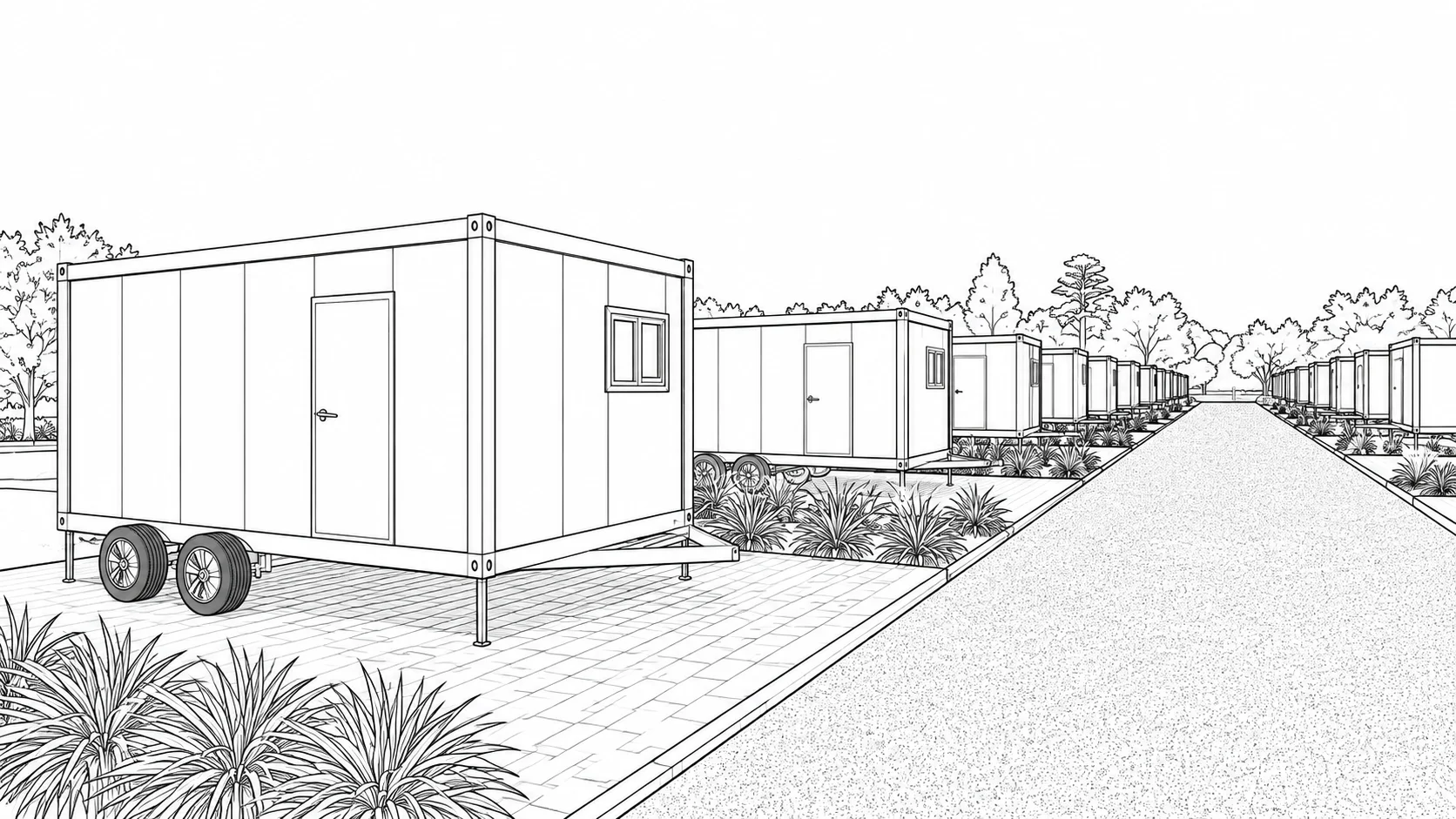
The original collection contains design, sanitation, workshop and other building references. These images support a discussion of options; they are not matched Ghana site photographs. The wheeled-cabin drawing is a concept, rather than evidence of a supplied towing combination.
Accept a booking against current venue information
Begin with the event that the rental provider is being asked to serve. Identify the intended users, public opening period, arrival window and collection arrangement. Ask who can approve the proposed position and who will give the delivery team access. A venue name alone cannot tell the supplier whether the restroom can reach its intended place or receive the services it needs.
Keep a unit record separate from the booking record. The unit record should identify the actual configuration, current drawings, associated equipment and applicable instructions. The booking record should describe the new venue, available services and appointed contacts. This prevents an accepted arrangement at one event from silently becoming the assumed arrangement at another.
HSE’s Getting started with event planning advises considering the event’s scope, audience, location and timing, with clear responsibilities and suitable contractors. Its context is Great Britain. Here it informs the questions to ask the venue team; the relevant Ghana requirements and responsible local parties need to be determined for the actual event.
| Decision | Unit record | Venue information to refresh |
|---|---|---|
| Arrival and collection | Selected transport arrangement and required handling information | Access route, permitted work window and receiving contact |
| Public entrance | Current entrance drawing and associated access components | Proposed position, guest routes and local access review |
| Water and power | Actual equipment and connection requirements | Available supplies and contractors completing the interfaces |
| Waste services | Specified outlet or collection arrangement | Collection access, receiving destination and service responsibility |
| Return condition | Current defects, care instructions and completed work | Return location, receiving team and next-hire decision |
This is a proposed buying record, rather than a report of completed Ghana bookings. Use it to expose unresolved questions before a quotation becomes a commitment. If access or a service provider is still uncertain, identify that item and the person who must resolve it. The rental provider can then understand what the offer depends on.
Choose a restroom layout through guest use and staff access
Describe what guests need to do inside the facility before choosing a reference layout. A toilet and handwashing brief differs from a combined washroom with showers. The portable sanitation range explains those different functions. Select the required activities explicitly so that optional fittings are not mistaken for an included rental package.
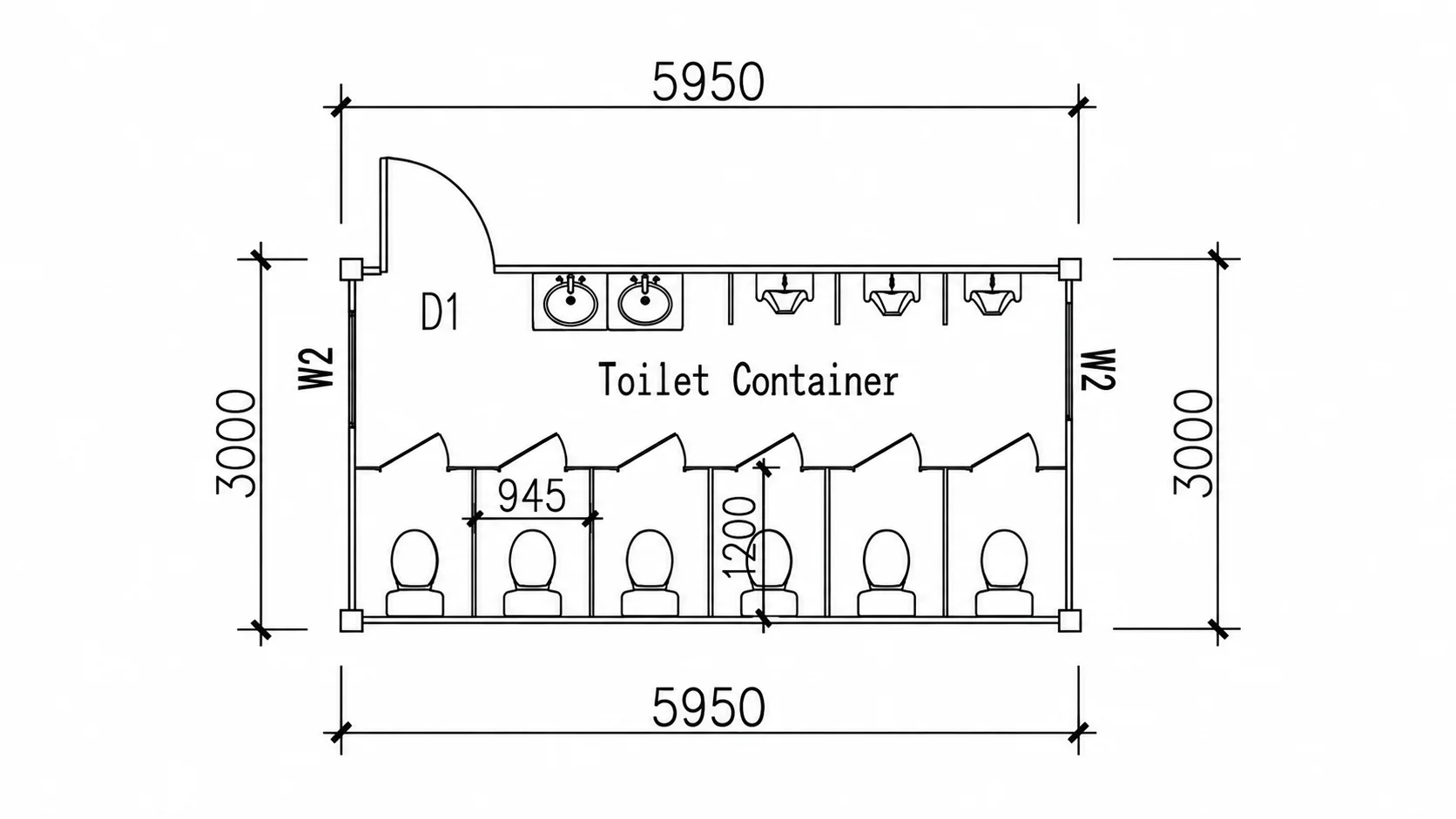
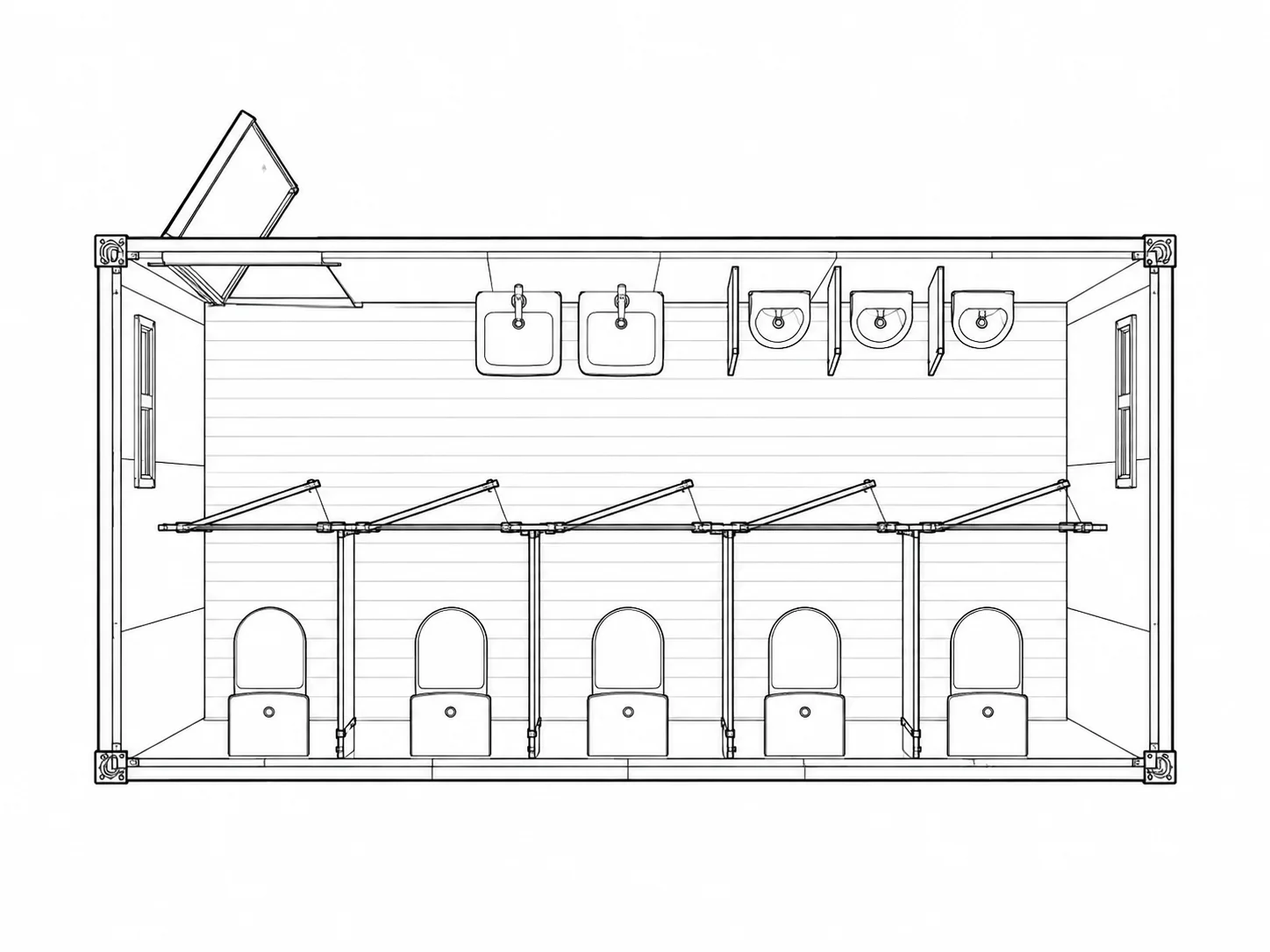
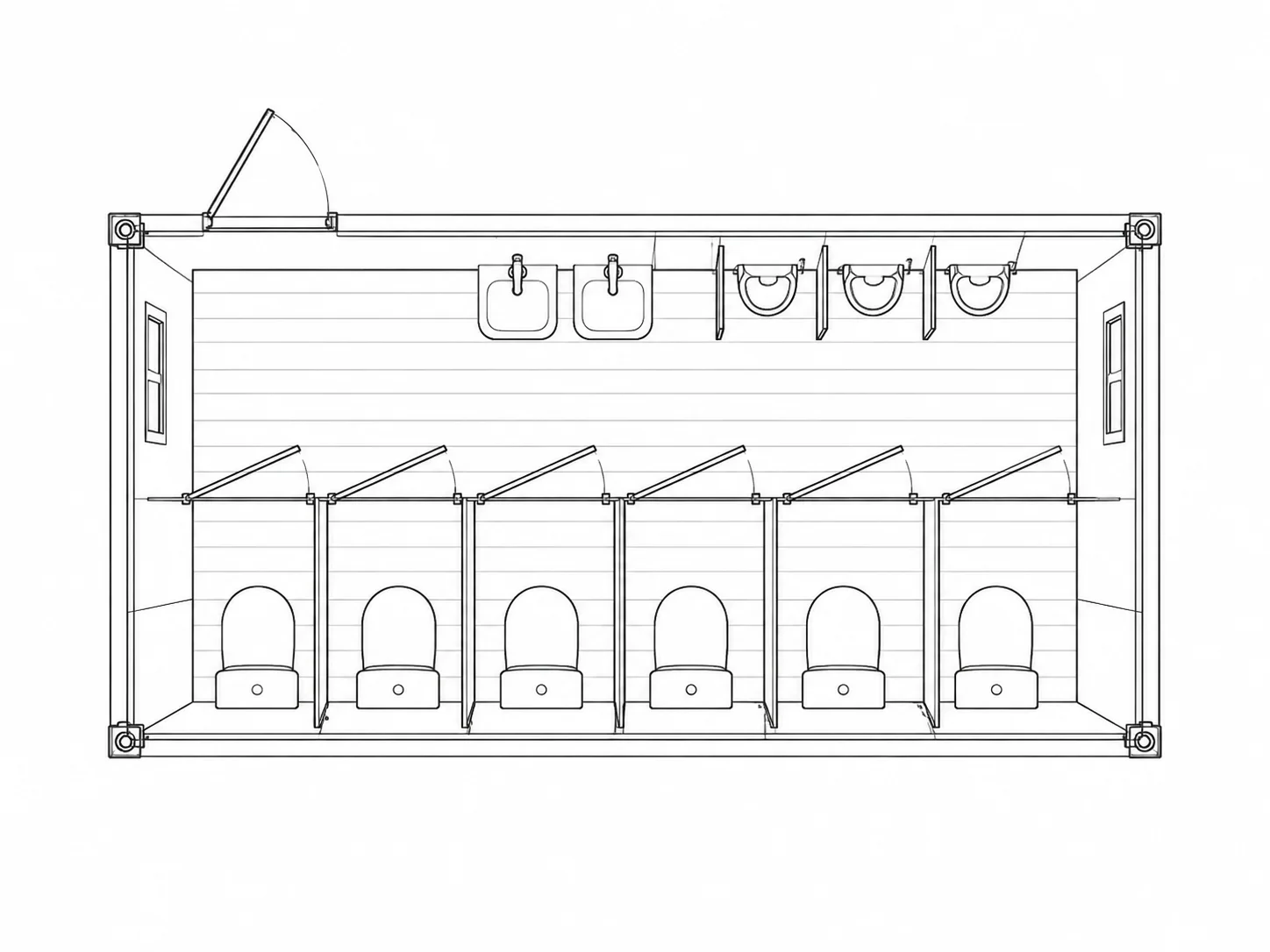
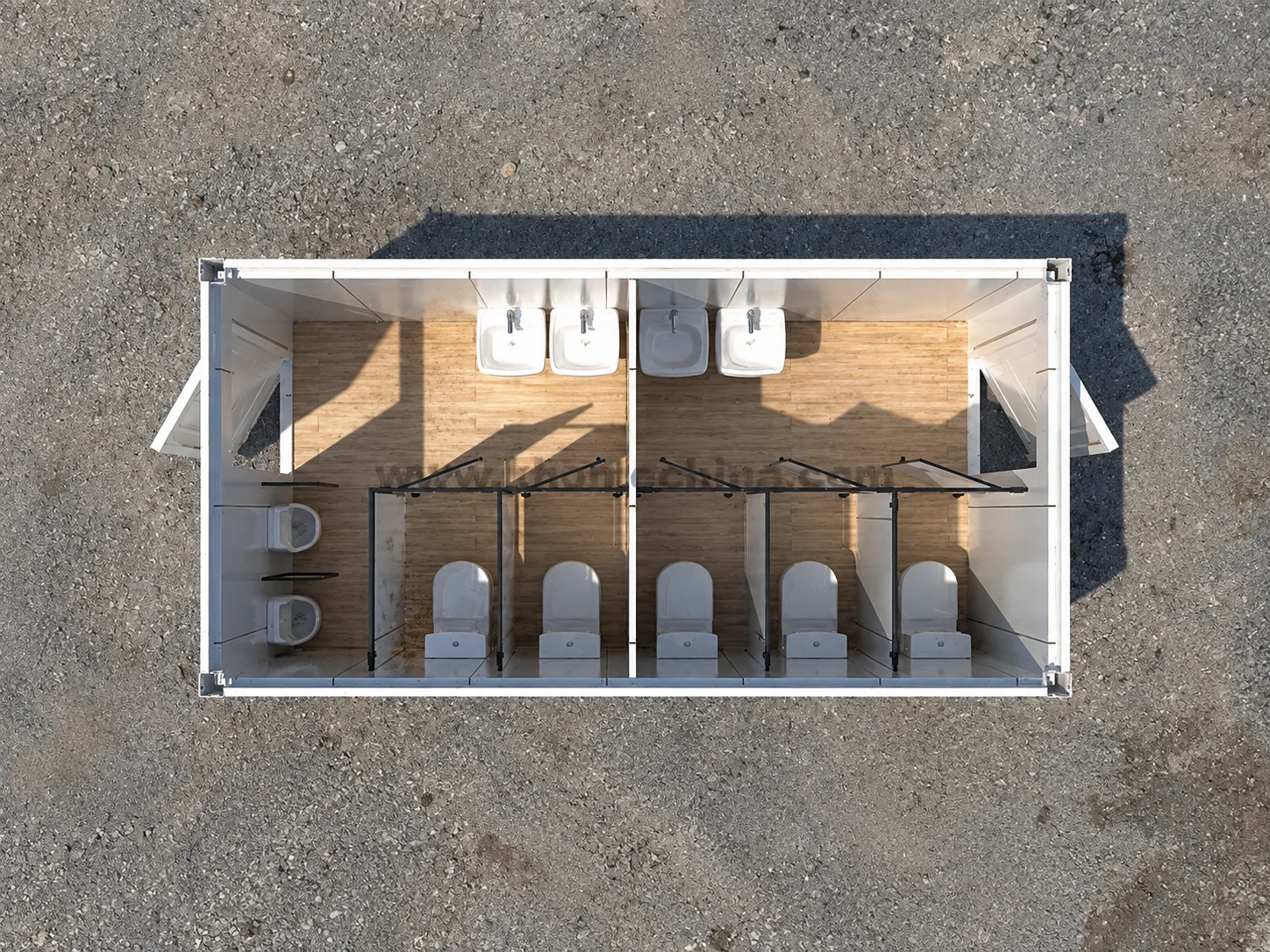
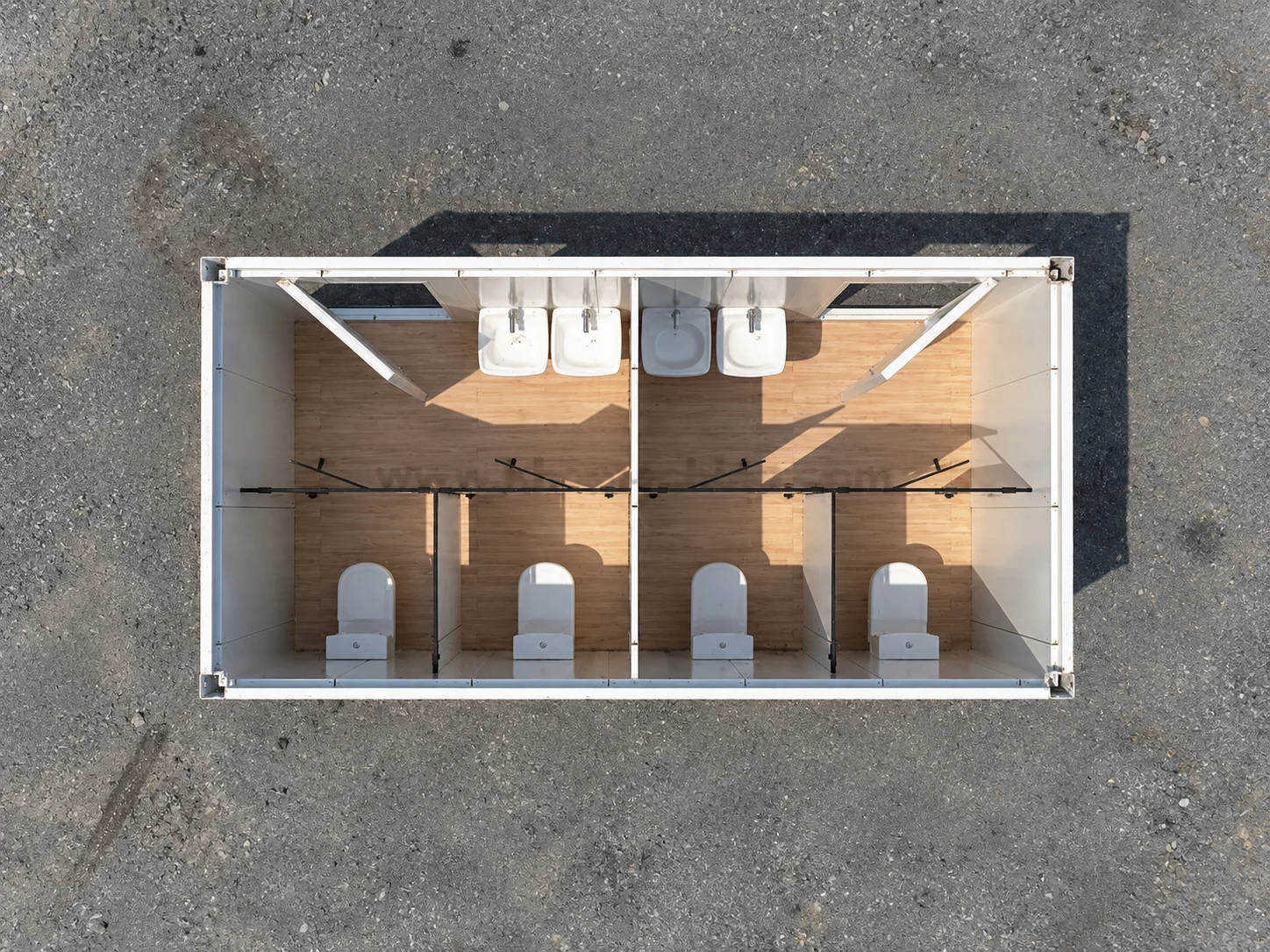
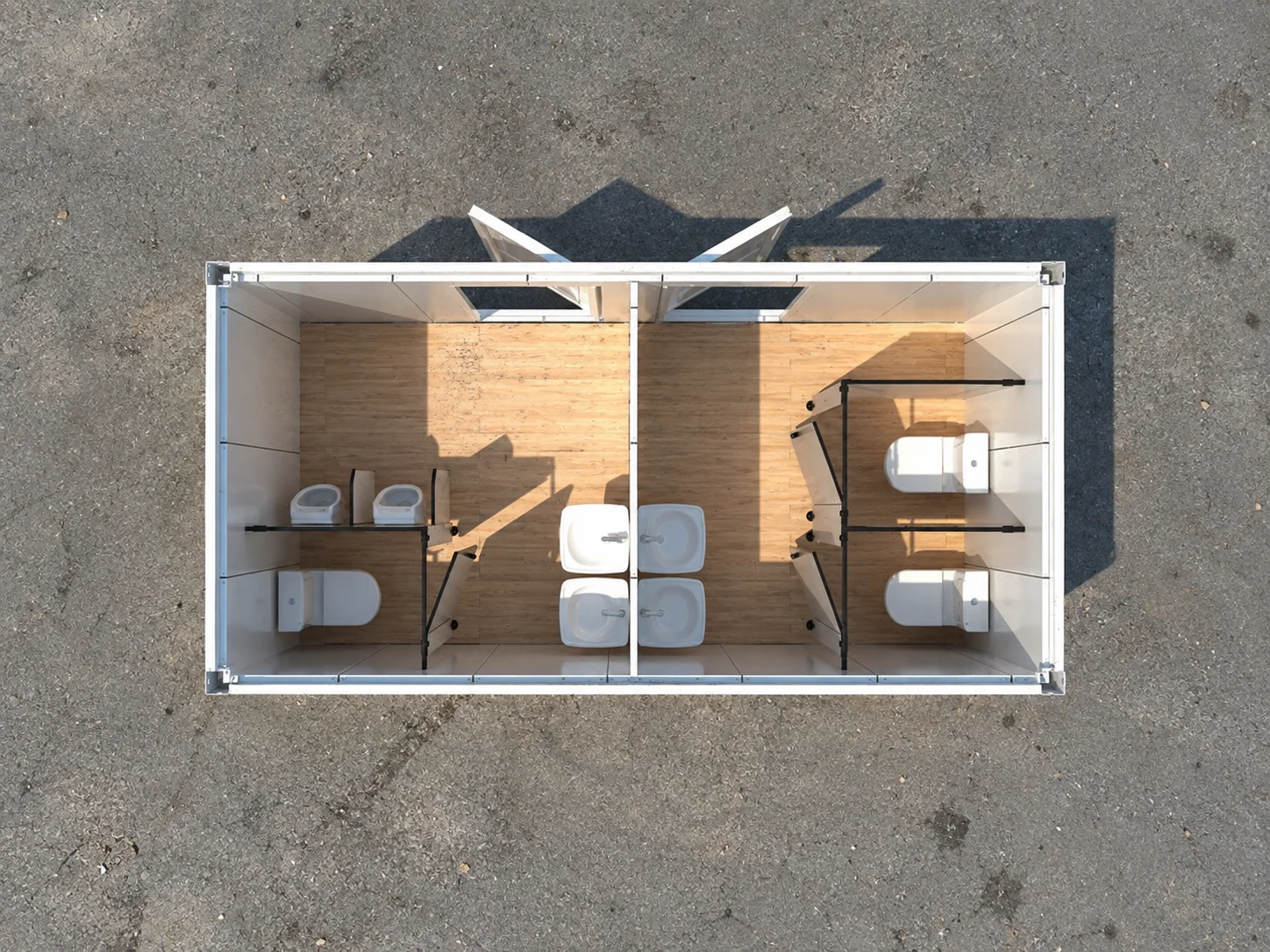
This overhead rendering shows a restroom arrangement with partitions and shared fittings. It can help explain a preference for room organization. Its visible fixture count and layout belong to the illustration; the Ghana brief does not establish that this configuration was supplied.
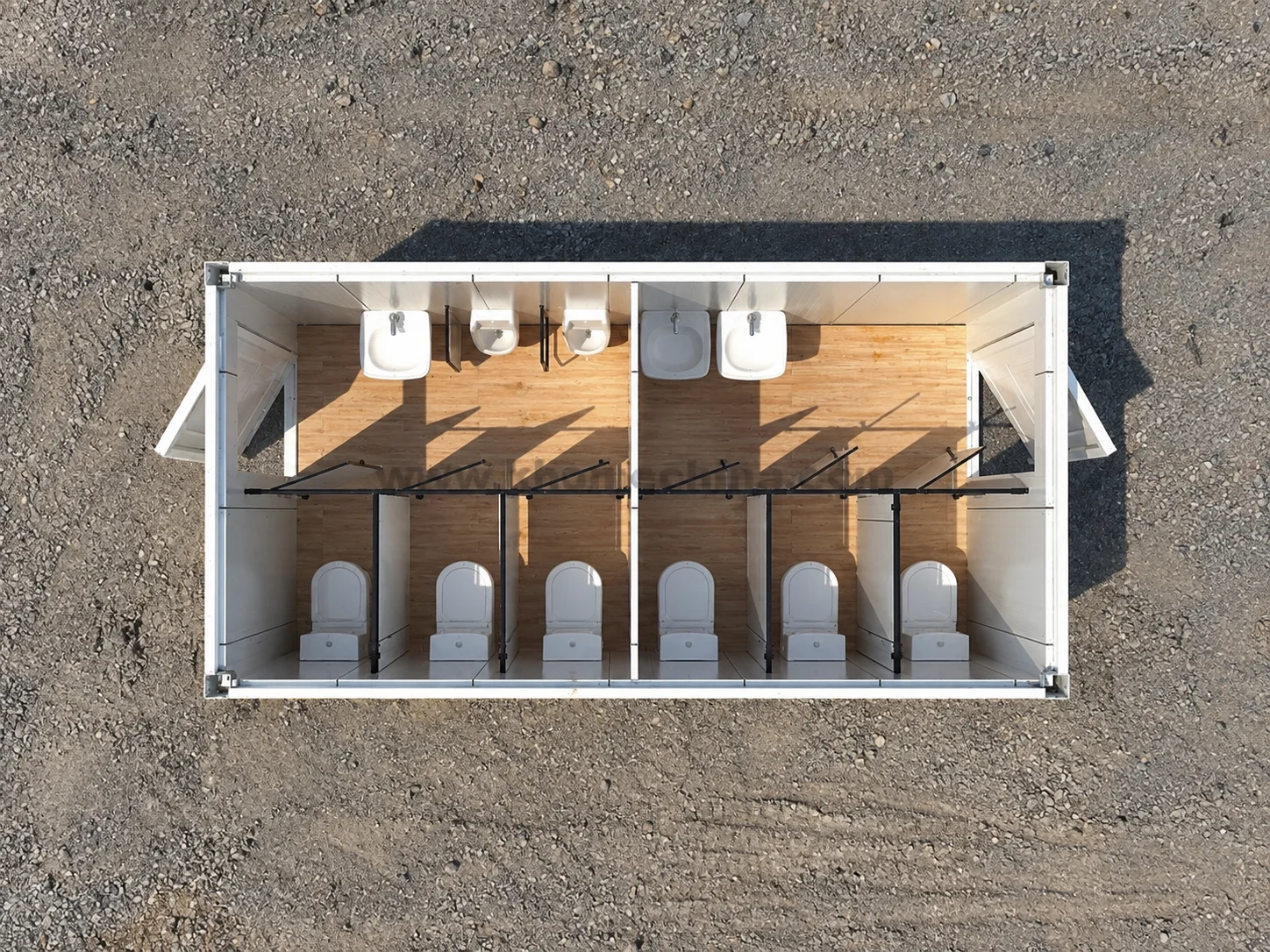
Review the proposed room with the doors and access panels in their working positions. A drawing should distinguish usable guest space from the area needed to open a panel, bring in supplies or reach a fitting. Ask the design team to show how these activities coexist rather than evaluating the empty floor plan alone.
Specify the users and access needs to be reviewed by the responsible local team. Entrance steps, ramps, surrounding surfaces and internal circulation need to be coordinated with the selected unit and venue position. A photograph of a doorway cannot establish that access requirements have been met. Record the agreed arrangement in the actual order drawings.
Our portable bathroom layout and connection options provide a starting point for that drawing discussion. Ask which fixtures, finishes and accessories are included, how they can be reached for care, and which decisions remain open. Do not let a catalogue image replace the configuration identified in the purchase scope.
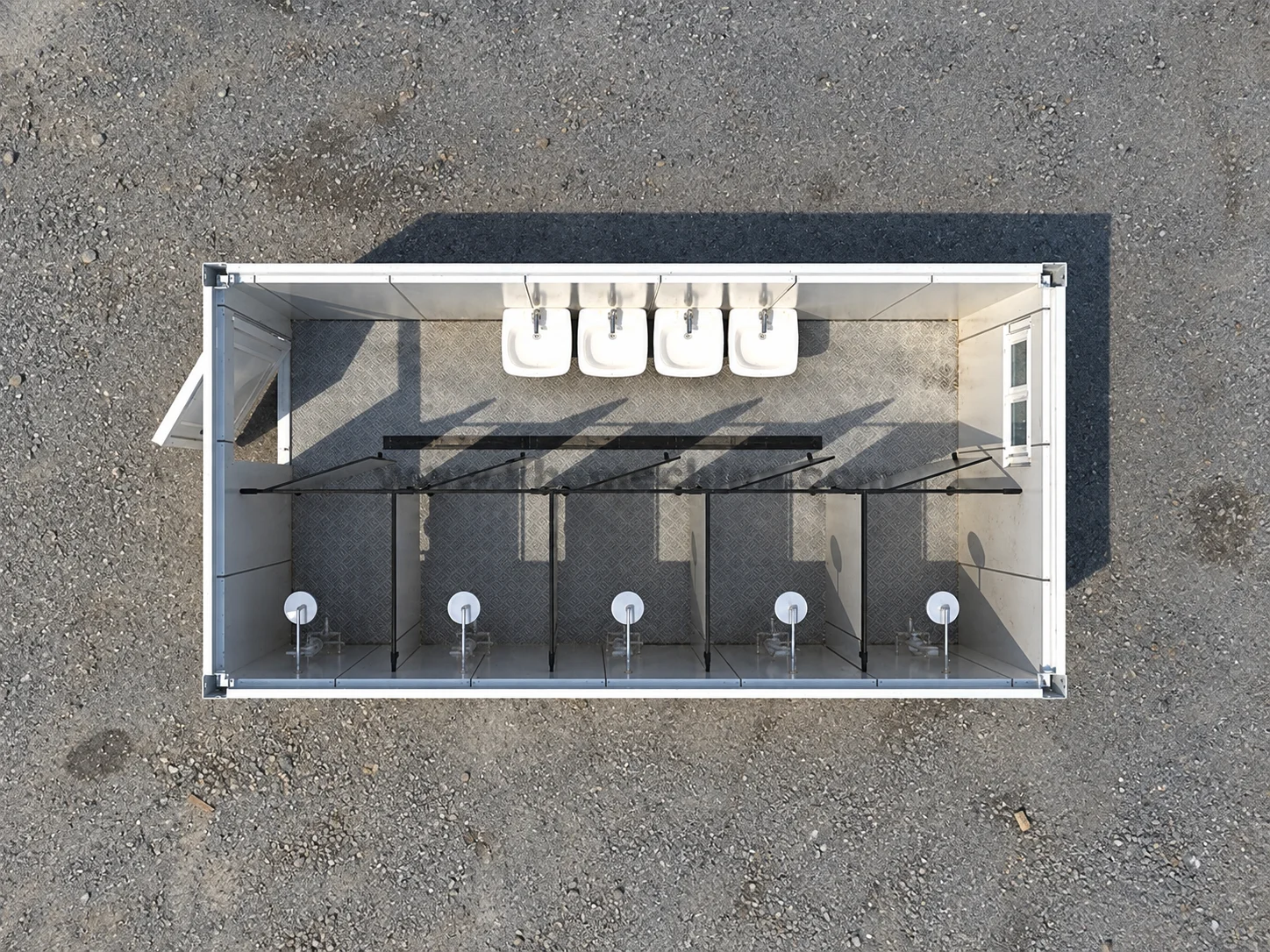
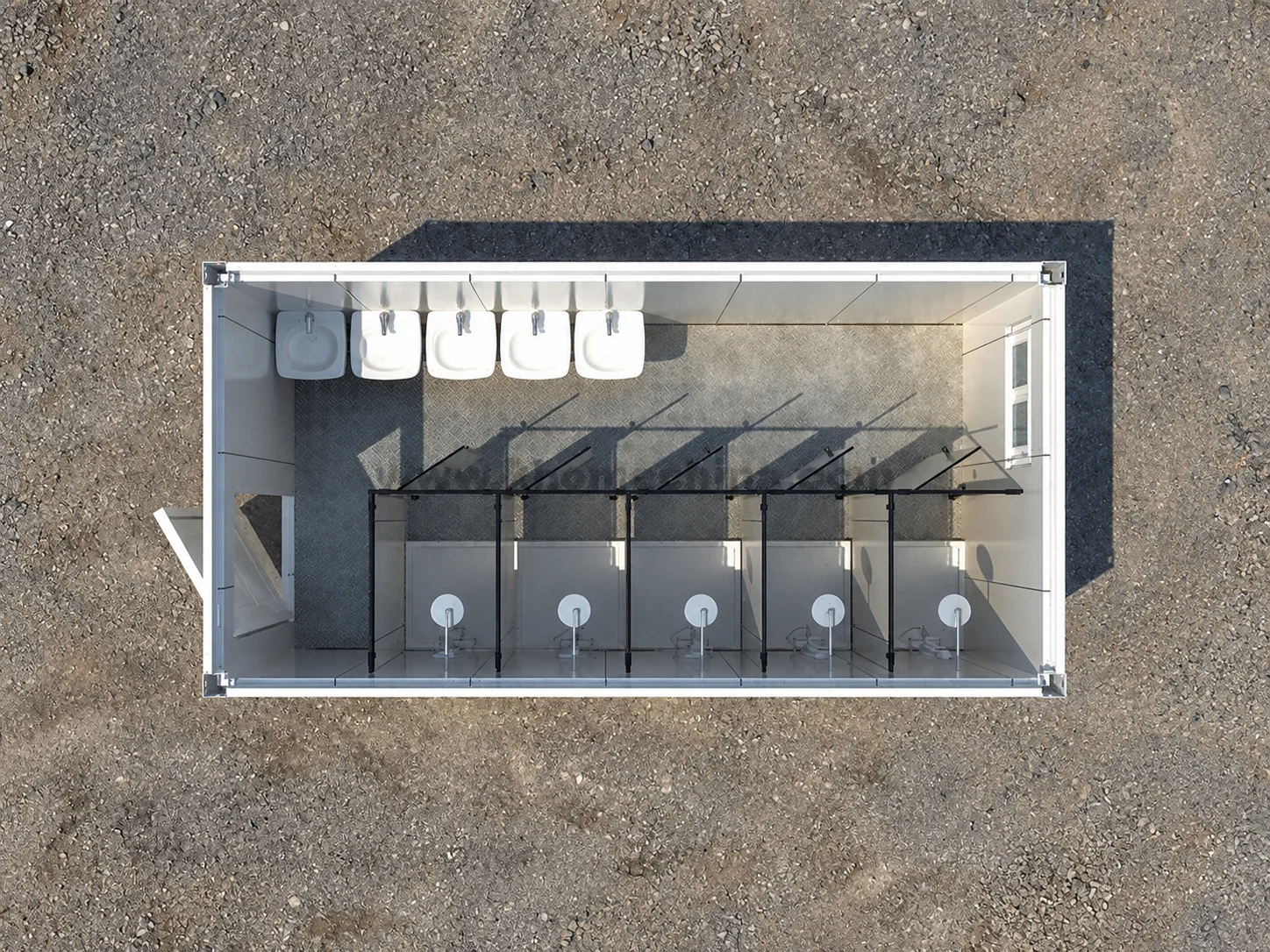
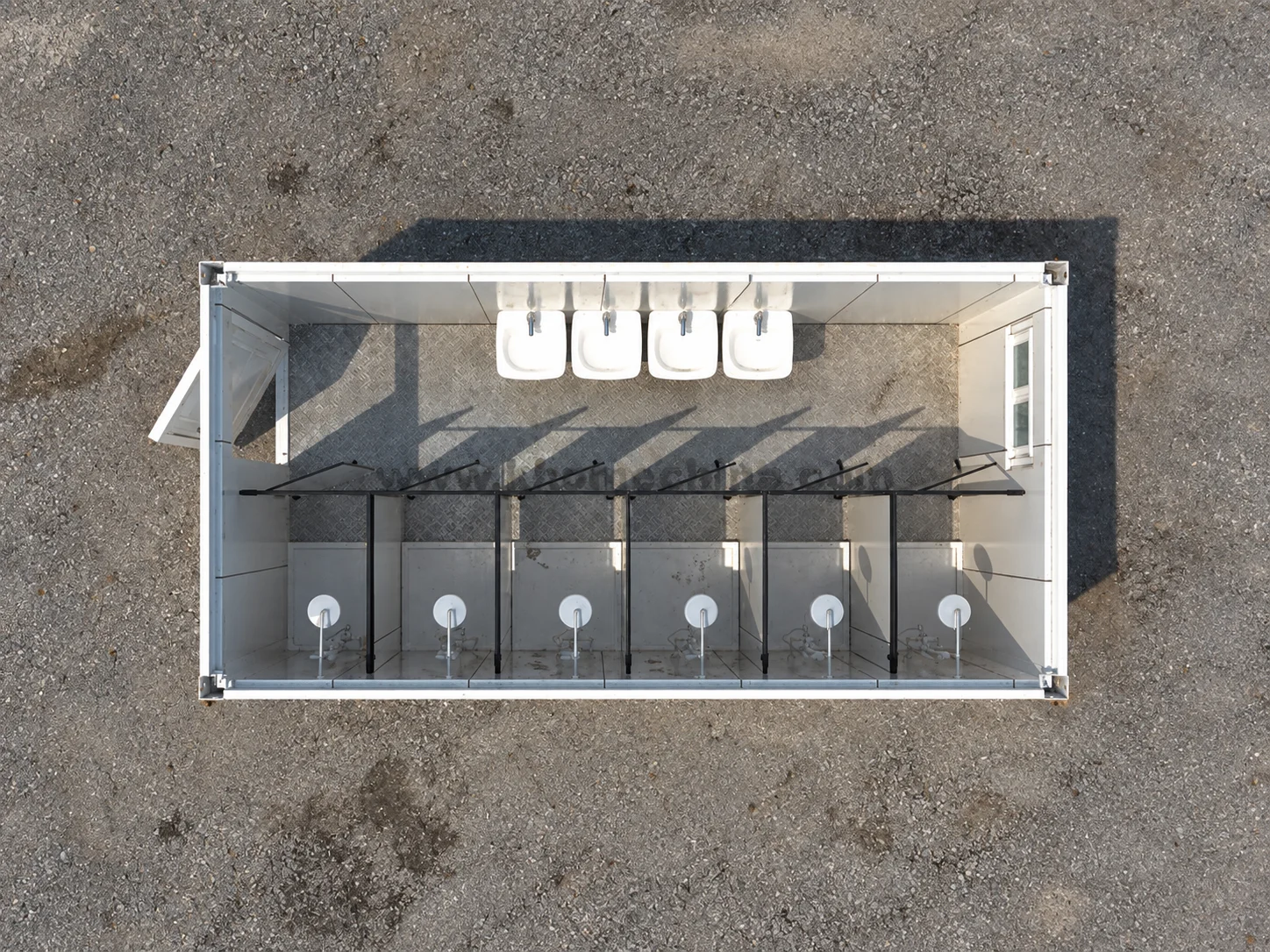
The following interiors are sanitation references showing shower areas, basins, cubicle partitions and fittings. They illustrate different room functions and service access questions, rather than the fittings delivered to Ghana.
View sanitation interior and fitting references
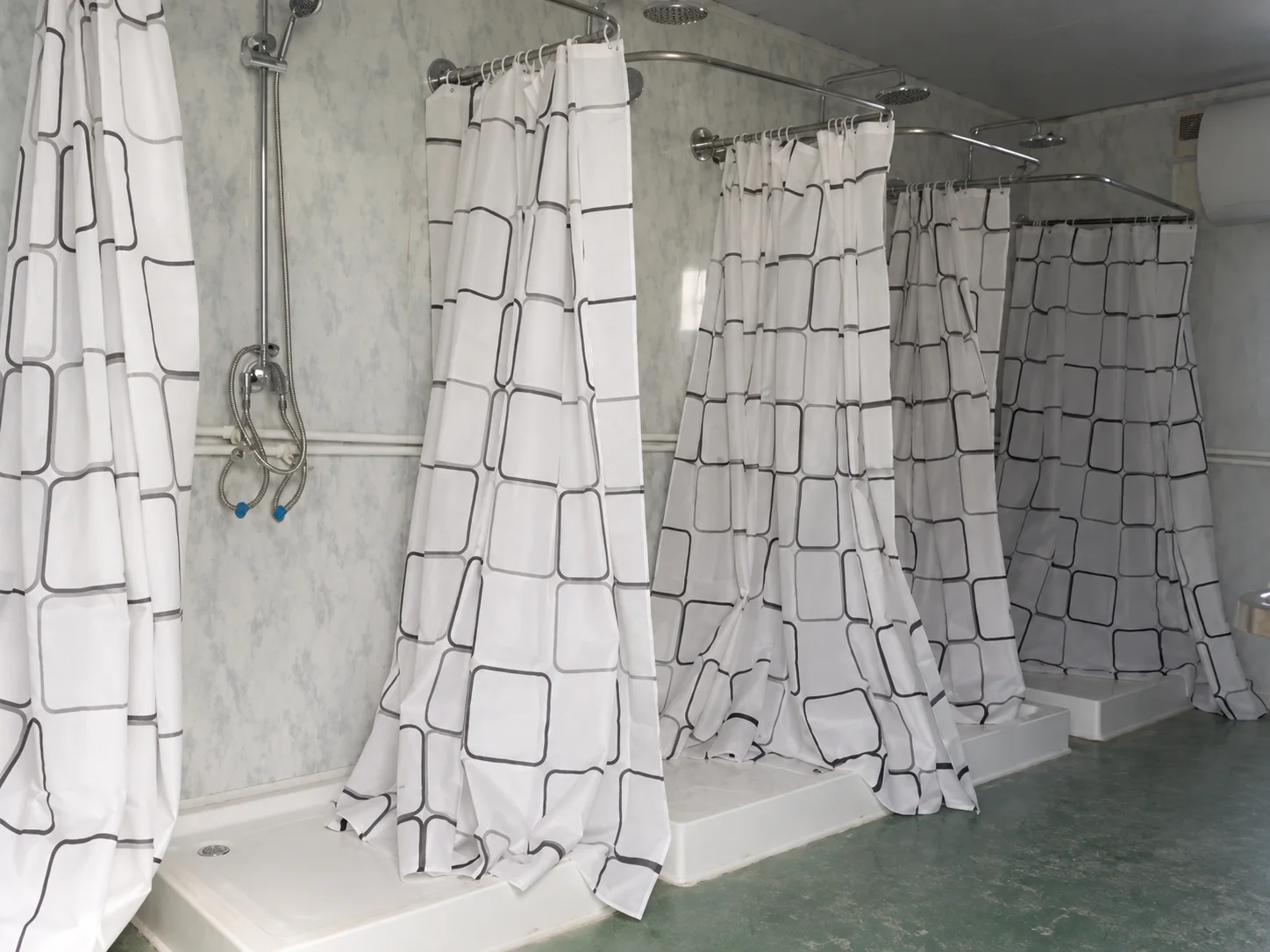
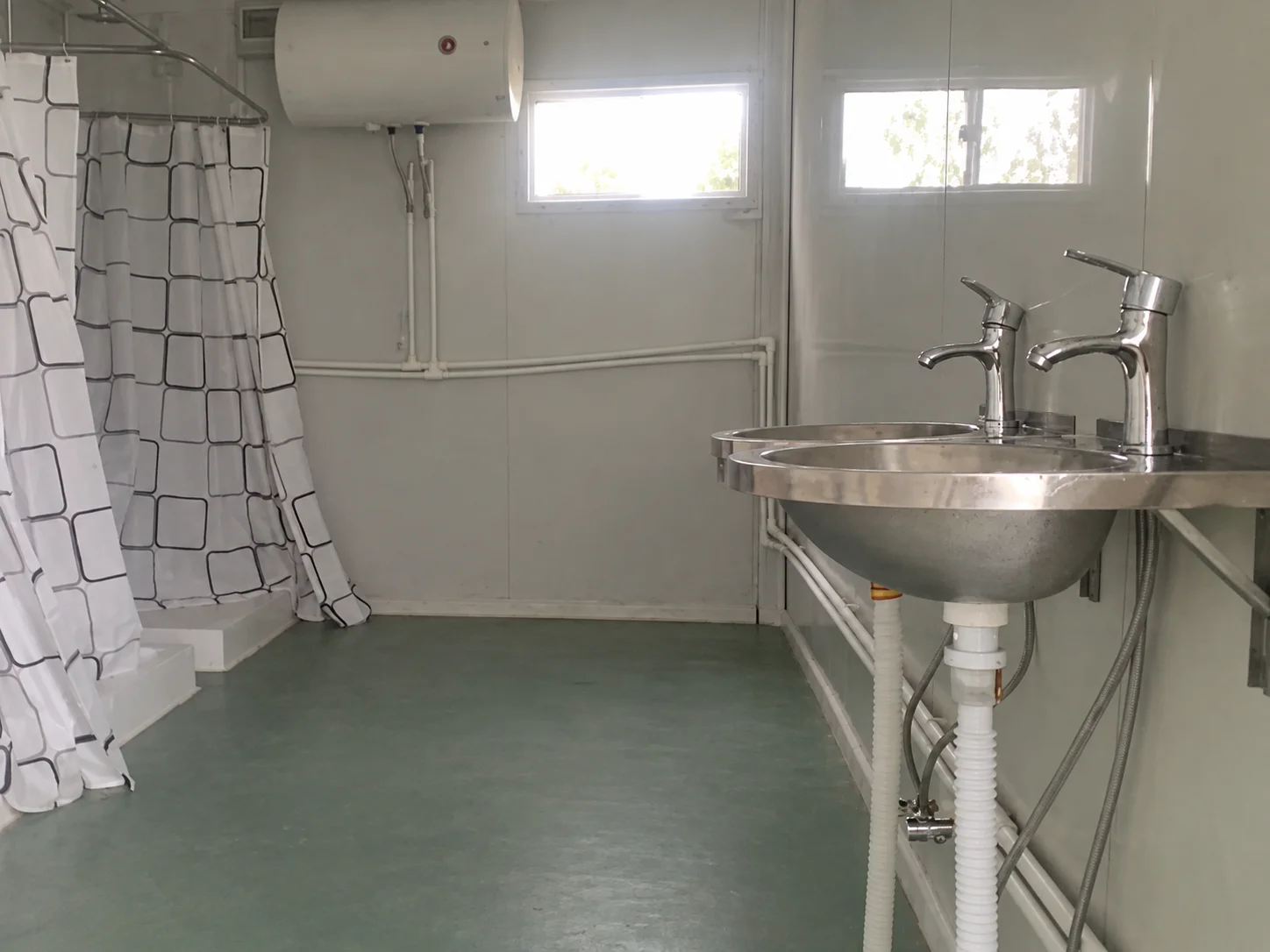
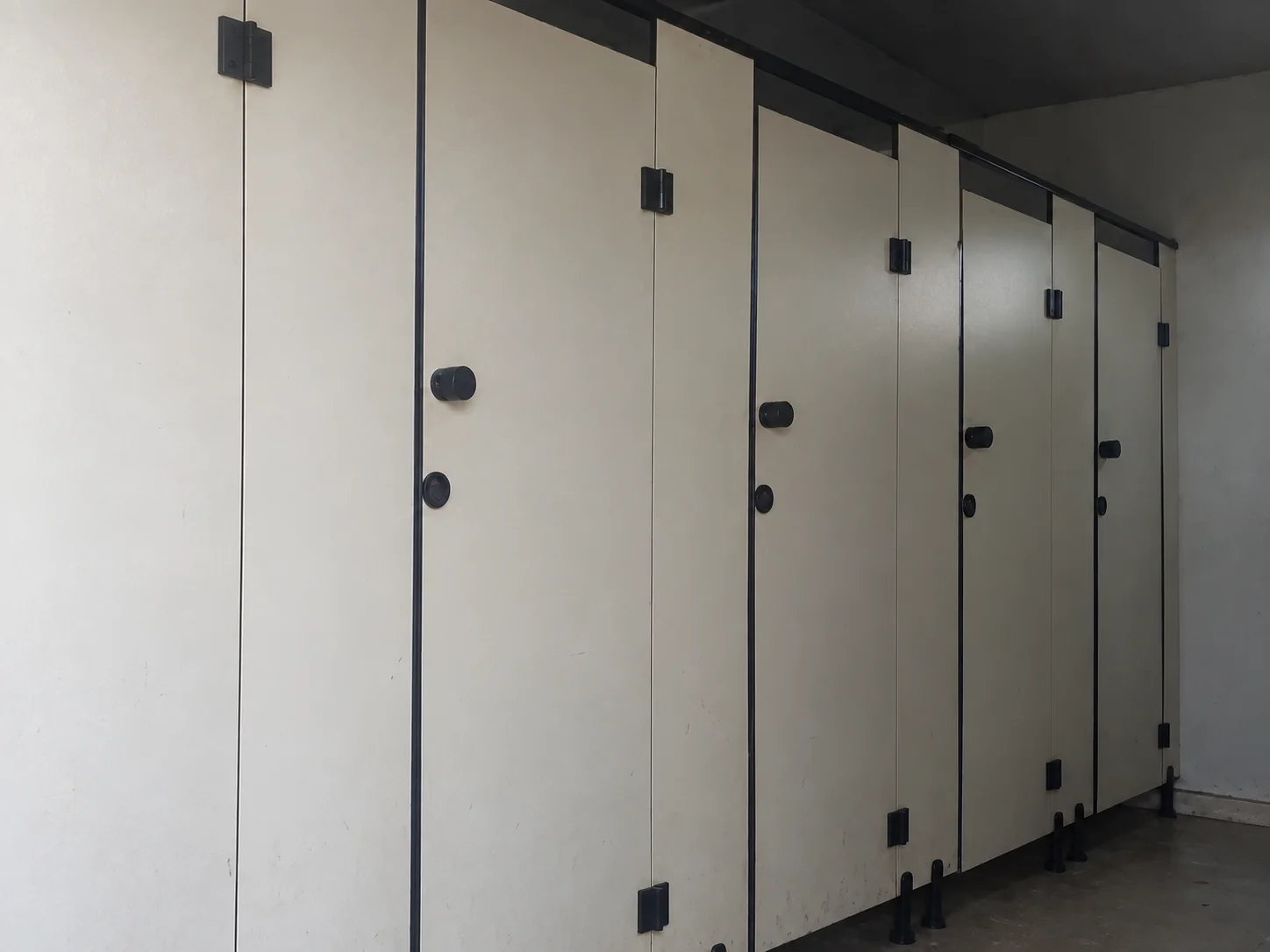
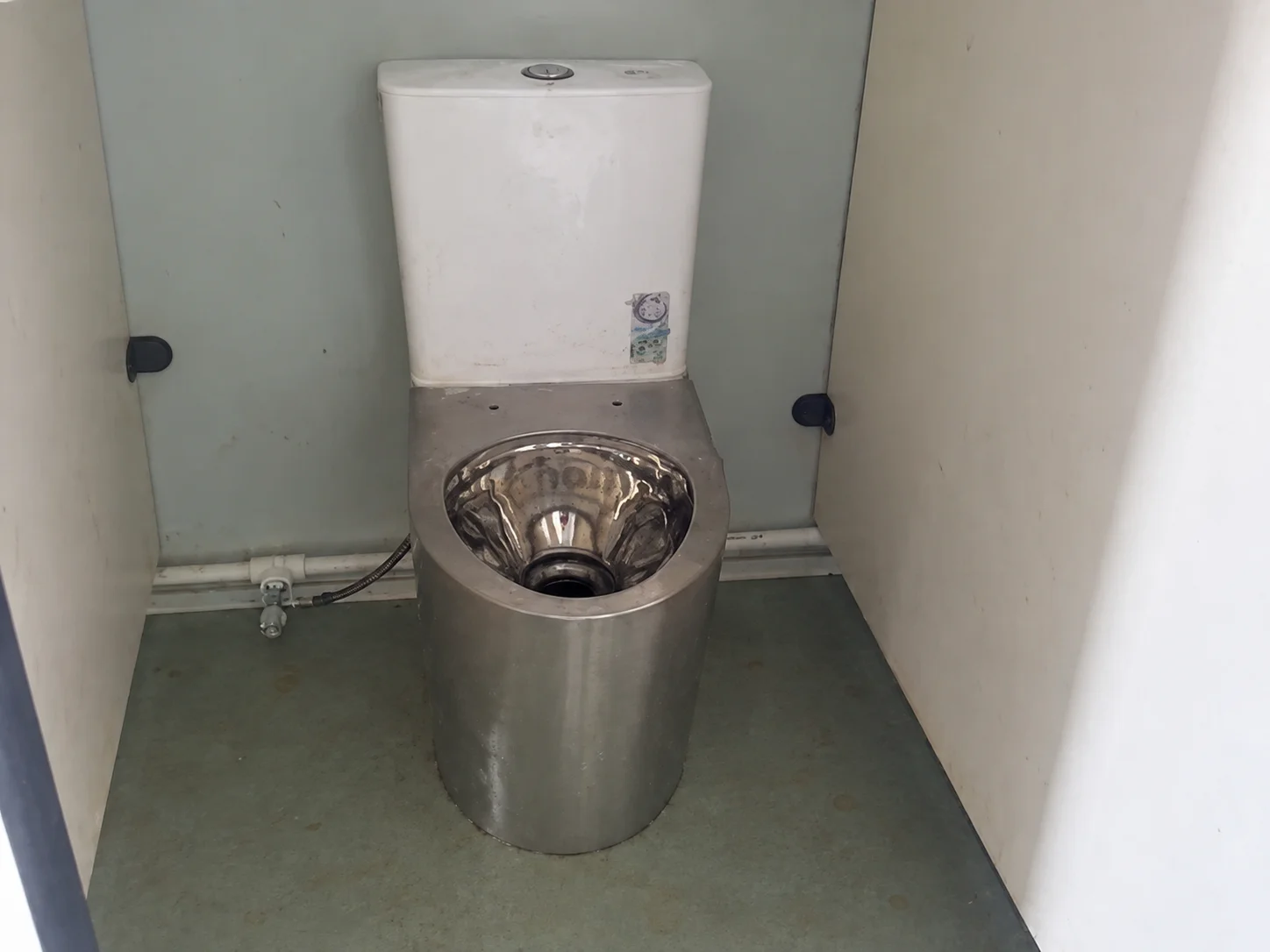
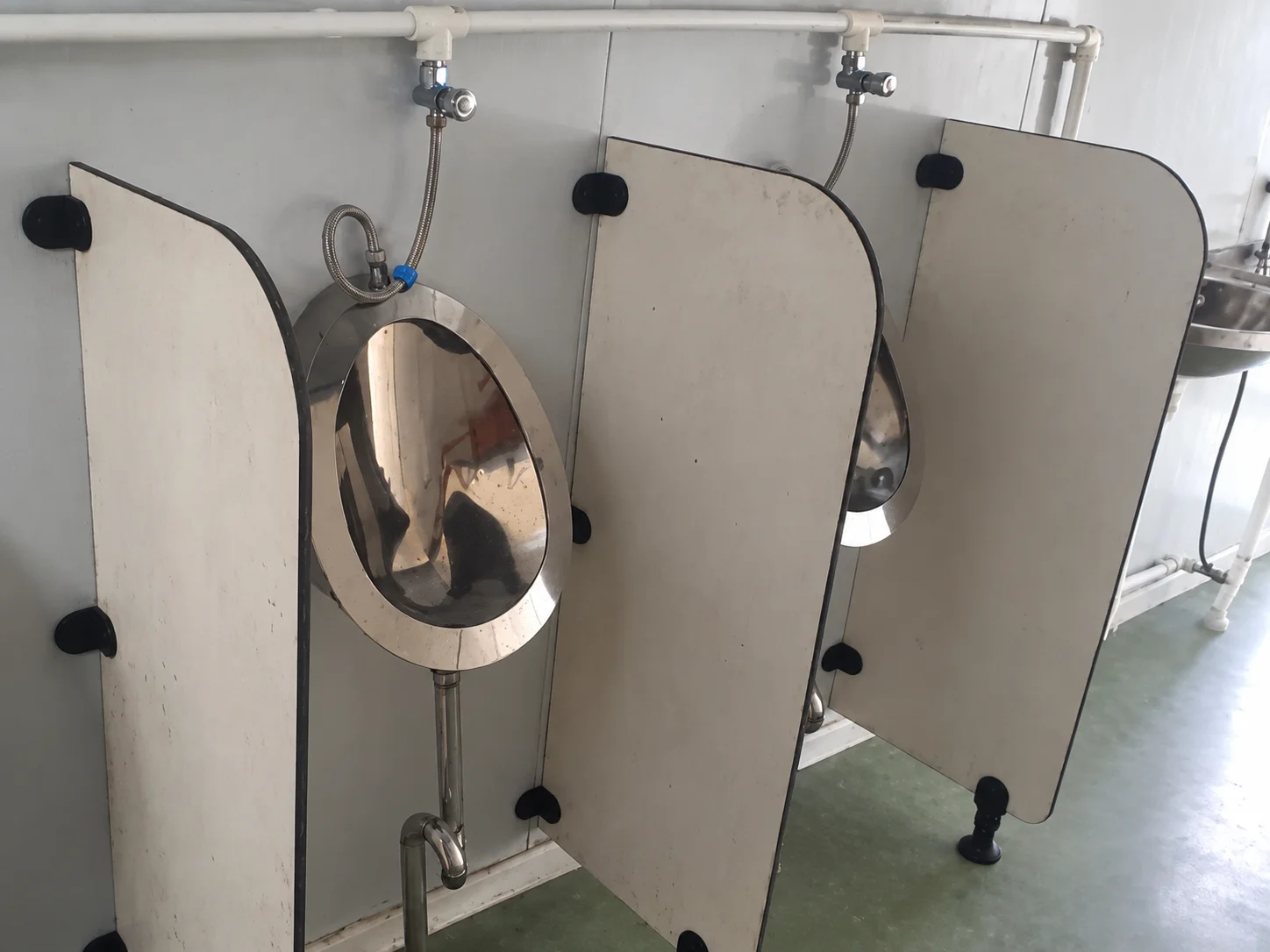
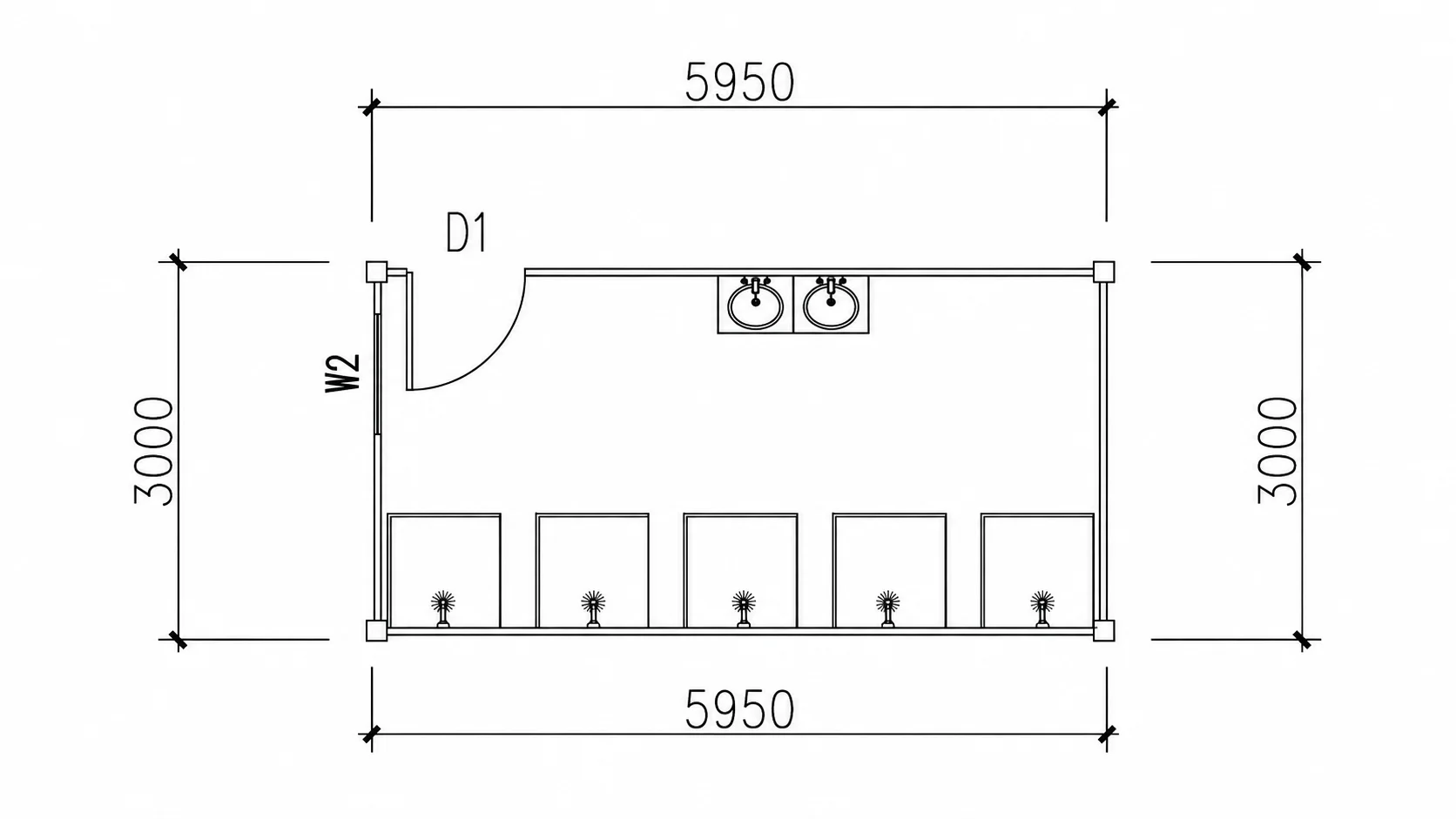
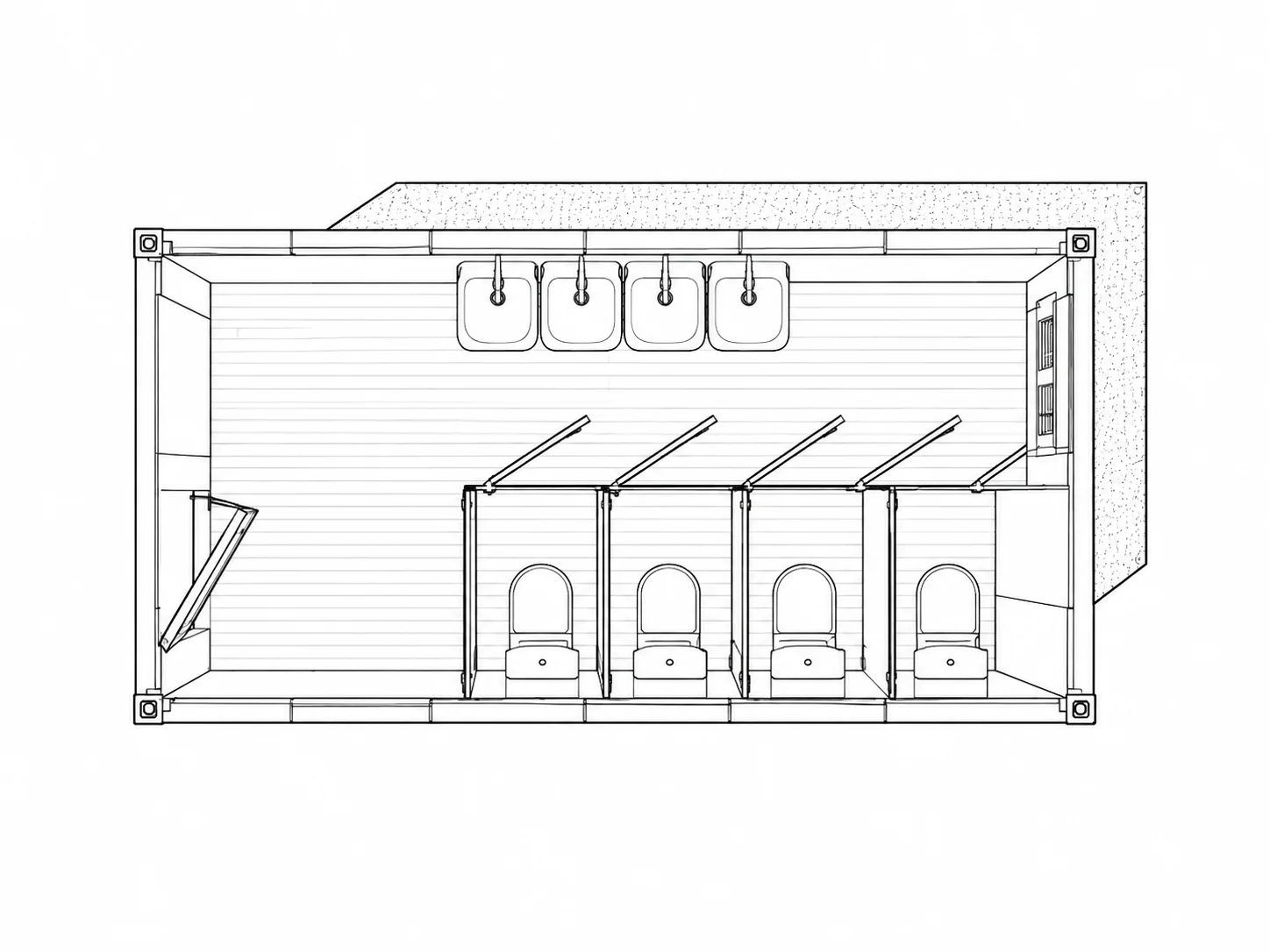
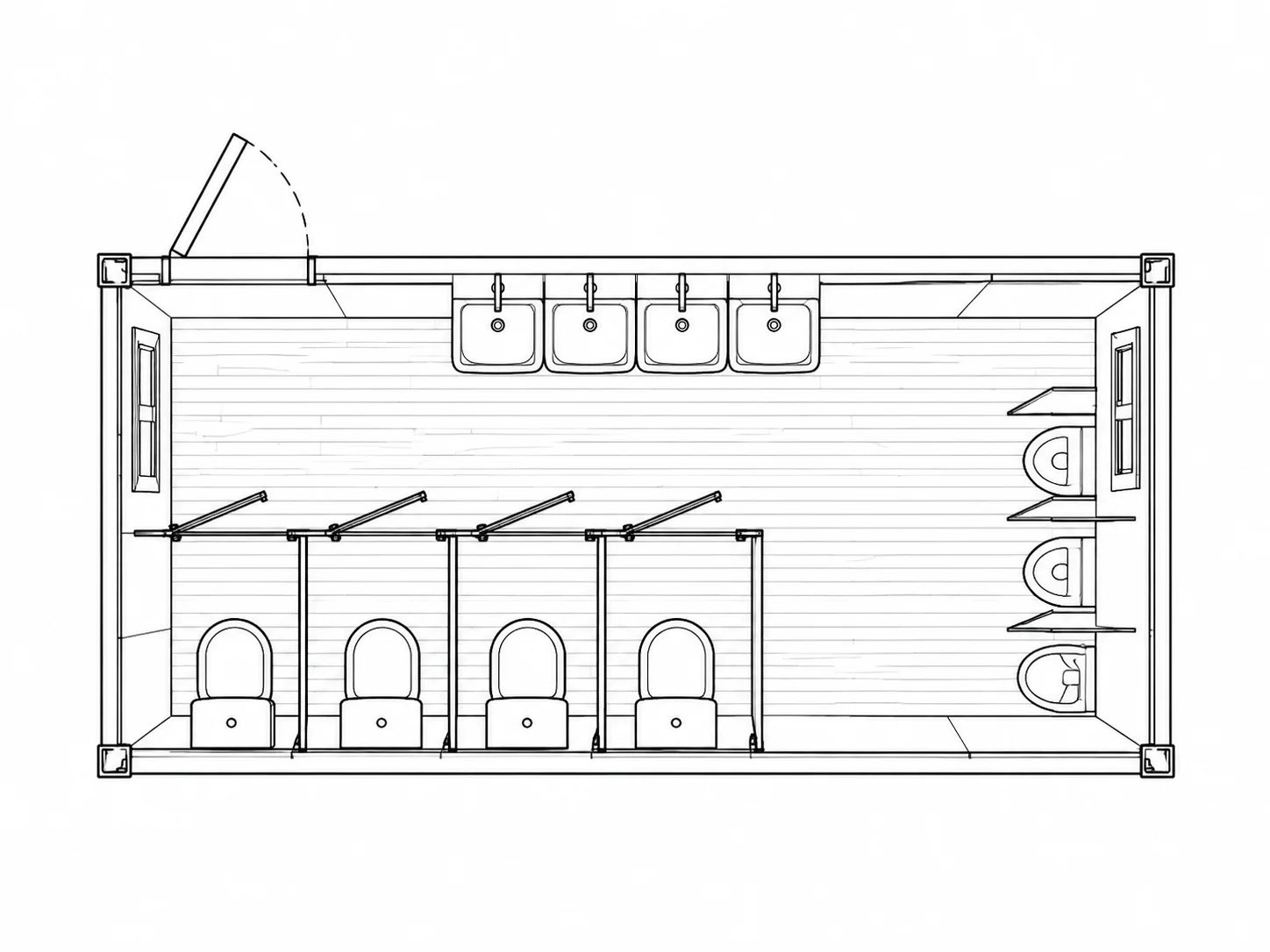
The drawings and renderings below explore alternative room arrangements. Numbers printed on a sample drawing remain reference dimensions. A preferred example should become a request for an order-specific design review, with its own configuration and revision.
View layout and wheeled-module concept drawings
View washroom and shower layout renderings

Turn a quick-connection request into defined service interfaces
The Ghana brief sought convenient connections on arrival. For a similar buyer, explain what convenience means in the proposed operation: who makes each connection, what preparation the venue completes, and what information must be available before the unit arrives. A broad promise to connect quickly cannot identify the work missing from a supply quotation.
Separate the unit’s service points from the venue’s available supplies. Request the actual equipment information and connection schedule for the ordered configuration. Give it to the responsible venue contractors so they can review their part of the work. A fitted basin or visible pipe does not establish the source, suitability or completion of the external connection.
| Interface | Order information | Destination responsibility to agree |
|---|---|---|
| Water | Equipment requirements and identified connection point | Suitable available supply, connection work and relevant checks |
| Wastewater | Selected outlet or collection arrangement | Approved receiving route and responsible service provider |
| Power | Actual equipment information and supply interface | Available supply and work by the appointed qualified party |
| Entrance and placement | Selected access components and installation information | Prepared position and reviewed public approach |
| Care access | Locations needing cleaning, inspection or replacement access | Working space, supplies and access during the event |
Identify included accessories individually. A hose, cable, connector or access component should appear in the agreed package if it is part of the order. Record who supplies any missing item and who confirms compatibility. This helps the delivery and venue teams prepare from the same scope rather than discovering different assumptions at arrival.
Agree how the unit and venue work will be handed over. Keep outstanding tasks visible, with an owner and a condition for completion. The operator needs to know which services are available for the intended use and who to contact if a problem appears. This article does not supply electrical, water-treatment or installation procedures for the actual equipment.
Give liquid waste and sanitary-product bins their own service scope
A rental restroom needs a defined waste pathway beyond the door. Discuss the selected collection or drainage arrangement with the venue and responsible local service provider. Ask where the waste goes, how the receiving route is authorized, and which records belong with the booking. An agreement to remove waste from the venue should identify the destination and responsible party.
WHO’s Sanitation safety planning overview treats sanitation as a chain including the toilet, containment, conveyance, treatment and final use or disposal. The page identifies the second edition dated November 18, 2022. This system-level perspective supports checking the whole proposed service route; it does not approve a Ghana waste destination or specify this unit’s containment equipment.
Keep solid hygiene waste distinct from liquid servicing. Our sanitary-waste service planning guide explains why a bin collection arrangement may remain unresolved even when tank pump-out has been ordered. If bins are required, identify their collection, replacement supplies and receiving route in the operator’s scope.
Review collection access in the same venue drawing used for guest movement. The service team needs to reach the relevant point at an agreed time, including when public activity changes the available route. Define how missed access or a delayed service is reported and who can decide the next action. Do not assume that a convenient arrival route remains available throughout the event.
Show public and maintenance routes in their working condition
Place the public entrance and service approach on a current venue plan. Include the space needed by doors, supplies and the activities the operator expects to perform. Compare that drawing with guest queues, neighbouring event functions and routes the venue team needs to keep available. A restroom position should be assessed as part of the event arrangement.
Ask the people doing the work to review the service route. A person carrying clean supplies may need a different approach from a contractor collecting used materials. Identify where items are brought in, where they are held, and where staff can perform their tasks. These are operational requirements to discuss, not evidence that the Ghana project used a particular route separation.
The Slovakia seasonal venue case considers facilities that may remain in place or change between seasons. A rental booking introduces a different question: the receiving venue and service team may change with every hire. Use the comparison to refresh responsibilities rather than copy a stadium layout into another event.
Keep a route change connected to the booking record. If the organiser moves the restroom position, review the affected entrance, services and collection access together. The new drawing should identify what has changed and who accepted the revised arrangement. A message saying “move it closer” does not describe the consequences for the other parties.
Request evidence for the actual movement arrangement
A towable application needs information for the complete proposed unit and transport combination. Ask the supplier and carrier for the dimensions, loaded condition and relevant movement documents, then have the responsible local parties assess the intended route and equipment. The drawing of a cabin behind an SUV cannot establish compatibility, road approval or a permitted load.
Clarify whether the quotation covers a building only, a selected running-gear package, or a reviewed transport arrangement. Identify which party is responsible for route planning, preparation, movement and destination placement. Those responsibilities should be explicit before a rental provider offers the unit for bookings at different venues.
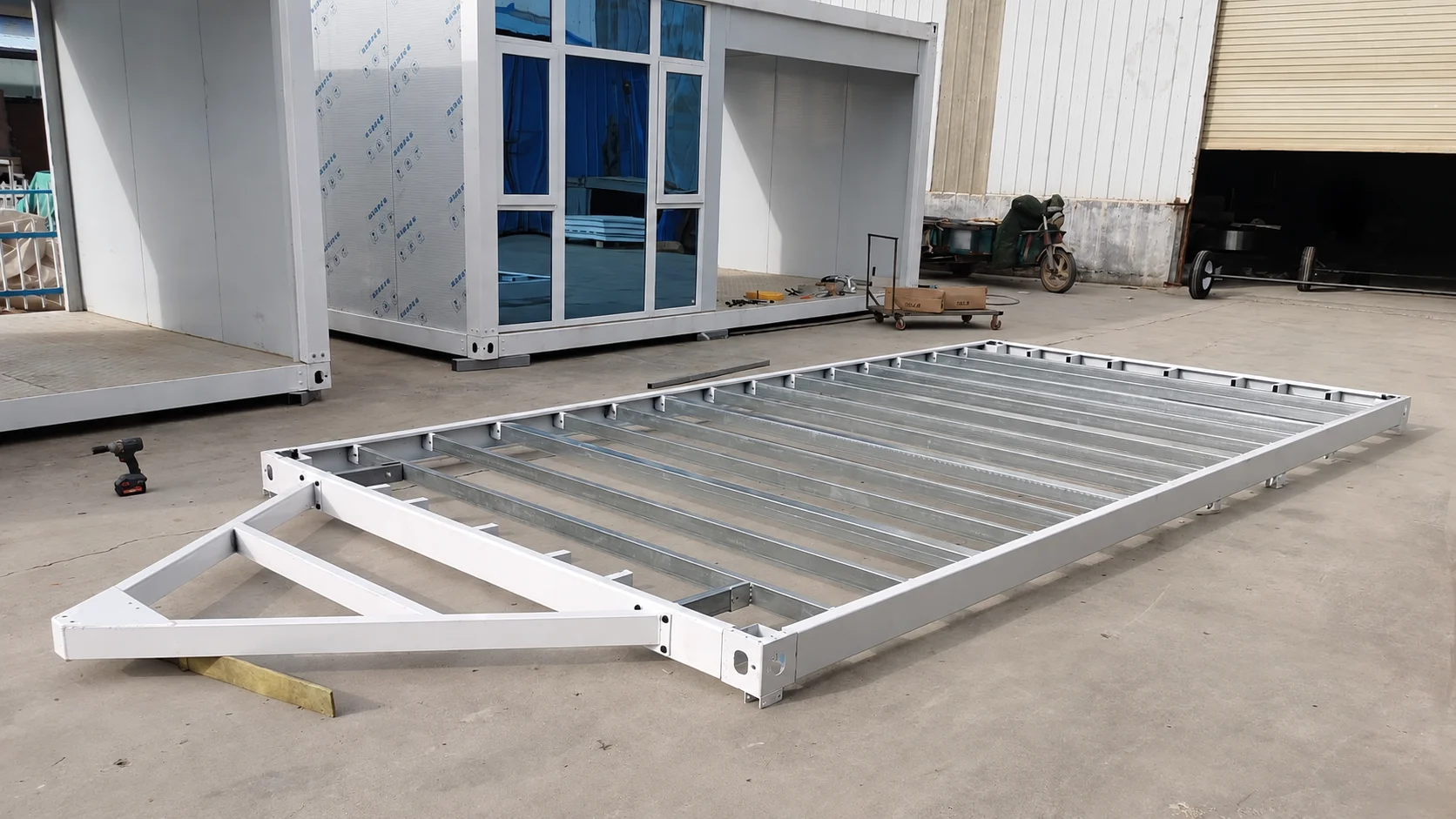
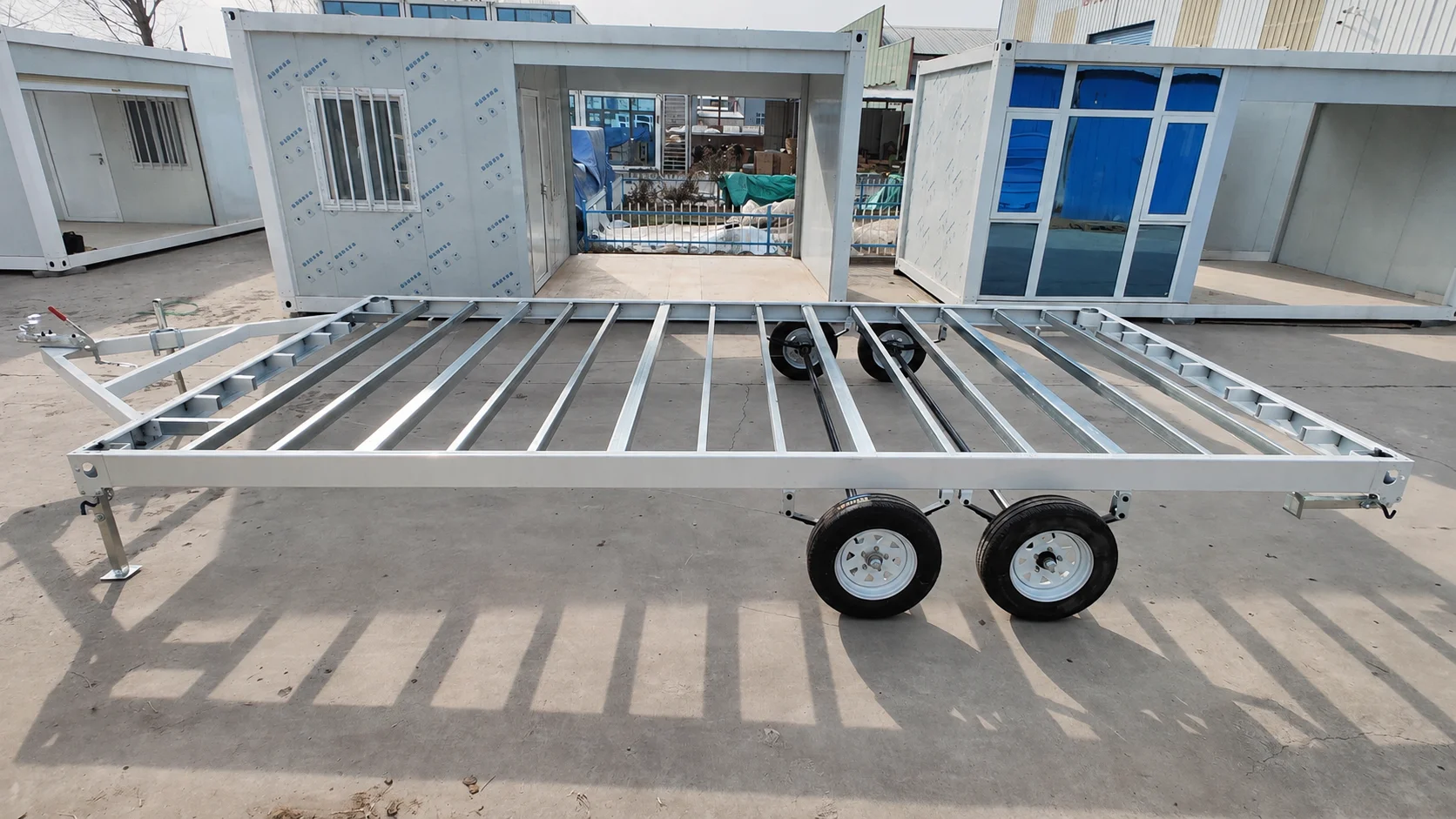
The two views below show bare wheeled frames in a production setting, including a frame pictured with a vehicle. They illustrate movement questions. They do not show a loaded Ghana restroom travelling on a road or establish chassis ratings and towing suitability.

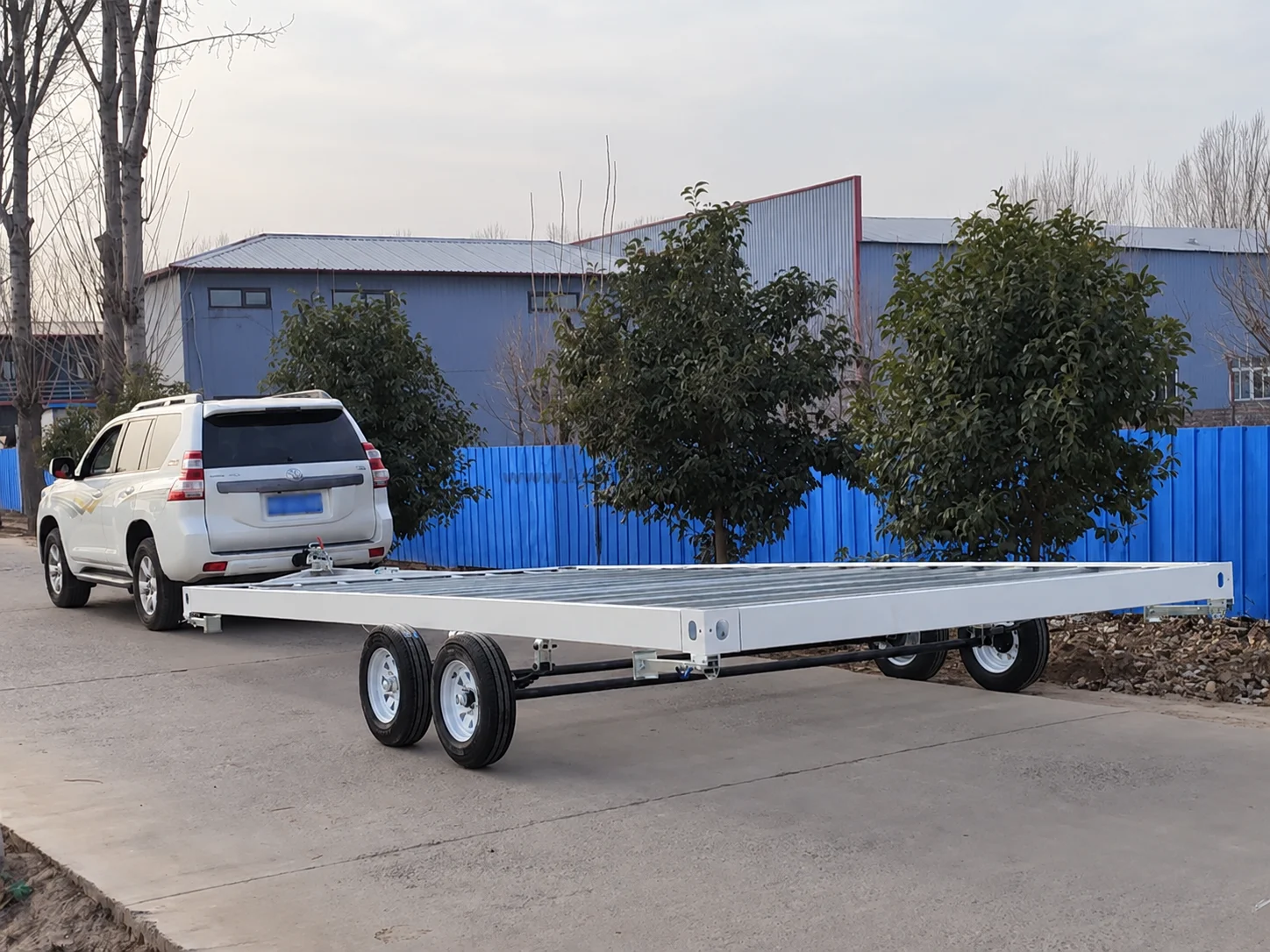
Request instructions that match the selected configuration, including associated fittings and services. The competent supplier, carrier and local team should determine what needs to be disconnected, protected, removed or secured, and what checks are needed after arrival. Keep their applicable documents with the unit record rather than turning a general article into a hitching procedure.
The Zambia service-block movement brief offers a separate example of rooms intended for a changing work front. Repositioning those rooms and towing a restroom are different proposals. The shared buying question is who completes the destination work and confirms the selected facility is ready for its intended use.
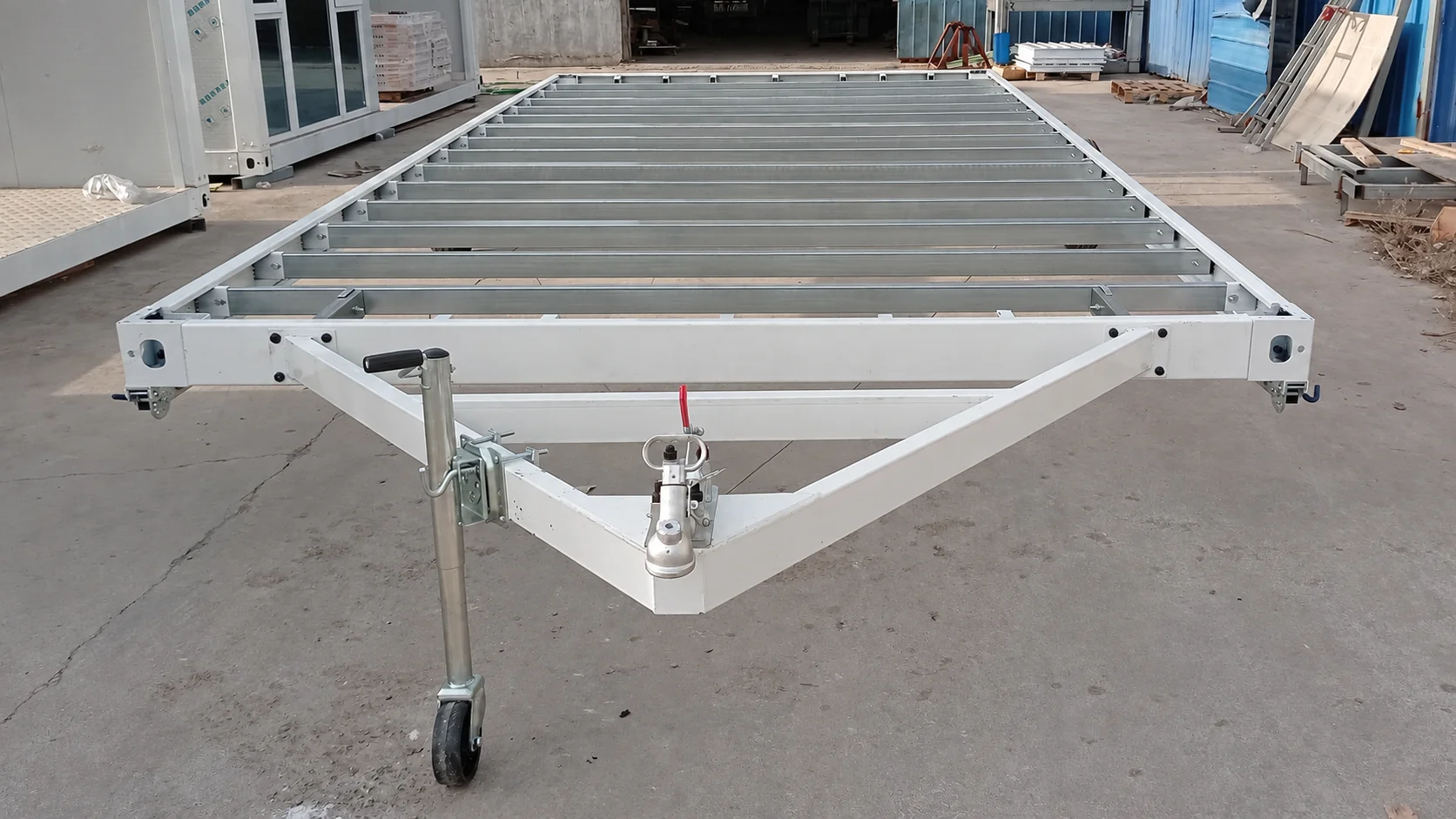
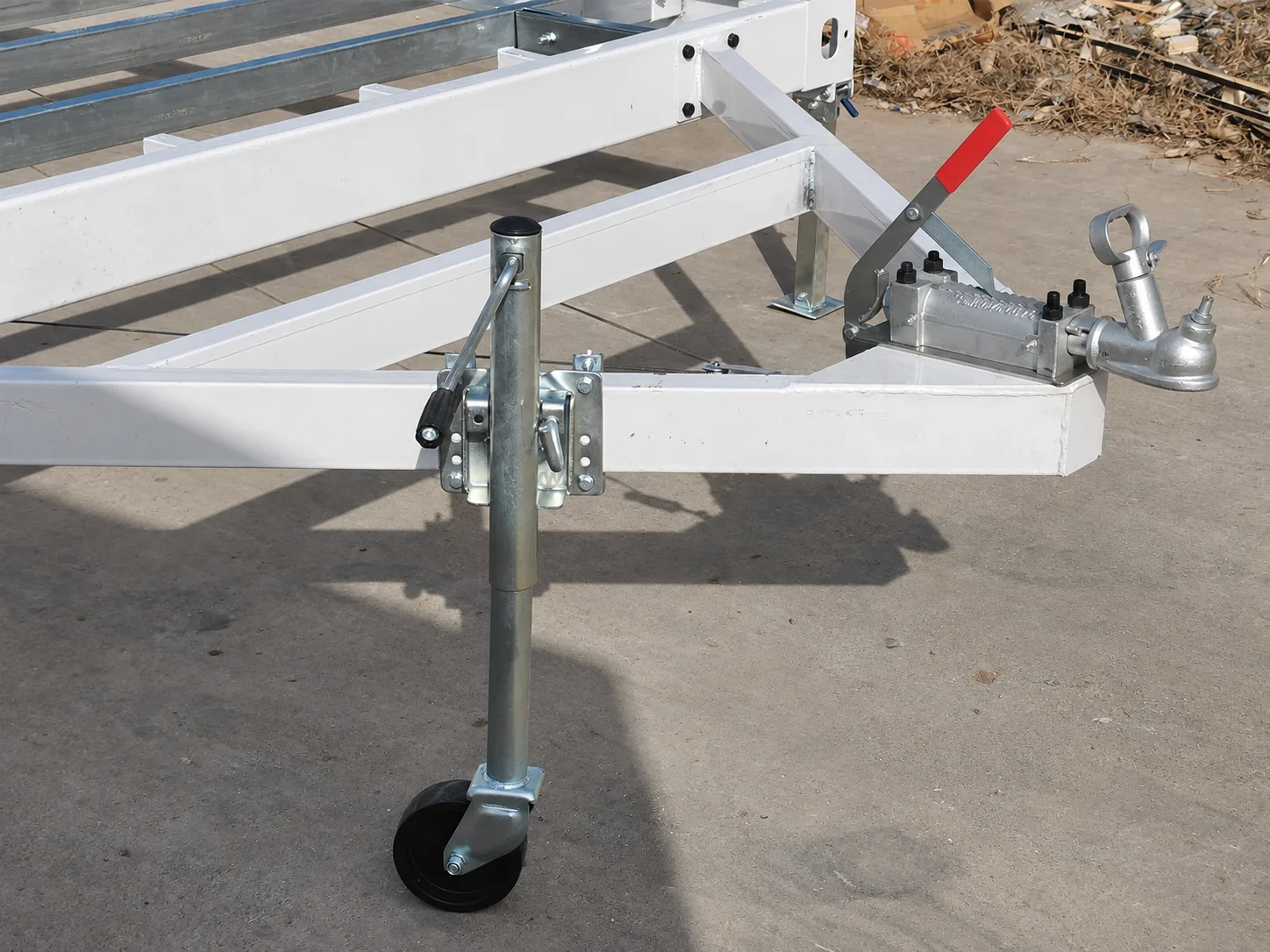
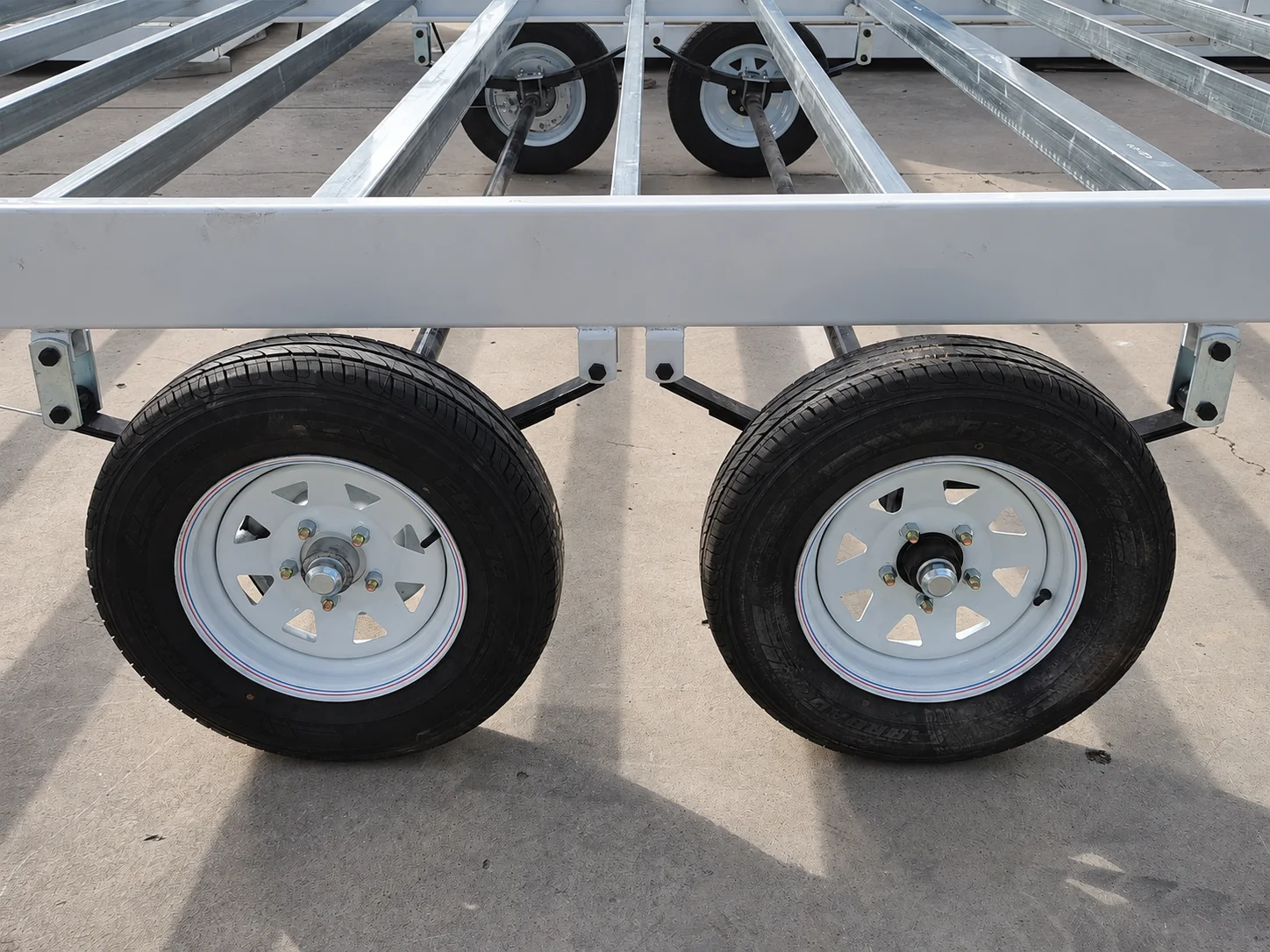
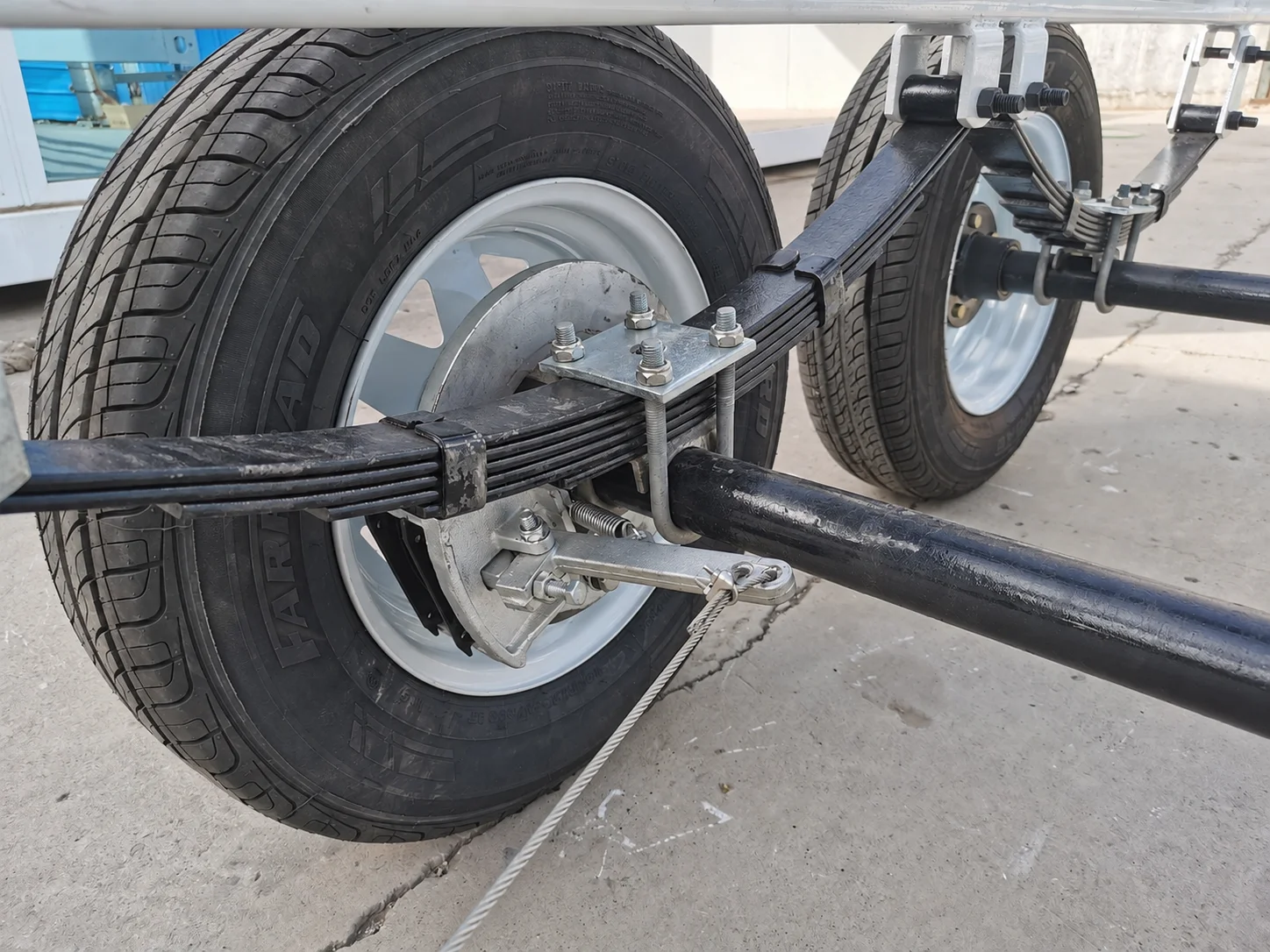
The close-ups below are frame and component references. Visible wheels, springs and couplings help identify subjects for a supplier discussion; their ratings, material specifications and compatibility need actual product documentation.
View bare-frame and towing-component references

Make between-booking care workable for the people doing it
Discuss the operator’s return location as well as the event venue. The team needs a place and process for receiving the unit, identifying its condition and completing required work. A collection time should not be treated as an assurance that cleaning, waste servicing and repairs are already complete or that the next booking can start immediately.
Match care instructions to the ordered finishes, fixtures and equipment. Request the supplier’s applicable maintenance information and identify who carries out each task. A familiar-looking surface may still have different care requirements. The operator should be able to connect an instruction to the actual component instead of relying on a generic cleaning sheet.
CDC’s Protecting Workers Handling Human Waste, dated April 22, 2024, discusses hygiene, protective equipment and training, including keeping eating areas away from waste-handling activities. It also calls for site-specific professional assessment. Here it supports planning staff facilities and work responsibilities; no chemical recipe, medical recommendation or Ghana health outcome is adopted.
Give clean supplies and used materials identifiable places in the operator’s process. Ask staff to review how equipment is brought to the unit, where it is put after use and how replacement items are kept available. Record the arrangements selected for the actual operation. A statement that a room is “easy to clean” does not explain these working routes.
Changes to the fitted equipment should update the care information. A replacement fixture or revised service arrangement may affect the instructions, spare items and people needed for maintenance. Keep that revision visible in the unit record so a later booking team does not receive an instruction for a component that has already changed.
Record exceptions before releasing the next hire
Separate receiving the unit from accepting it for another booking. A return record can identify the configuration received, missing accessories, reported faults and work still due. Give each unresolved item a responsible person and a decision route. The purpose is to make the unit’s actual condition intelligible to the team arranging its next use.
HSE’s Inspection of work equipment discusses checks based on the equipment, its conditions and manufacturer recommendations, including relevant inspection information when equipment changes hands. Its regulatory context is Great Britain. The transferable buying question is which checks and records are appropriate to this unit; the article does not prescribe Ghana inspection intervals.
| Return subject | Record to retain | Decision still needed |
|---|---|---|
| Waste servicing | Completed service and receiving information | Any remaining collection or disposal responsibility |
| Care work | Applicable instructions and work completed | Unfinished tasks and the person resolving them |
| Condition after movement | Identified observations and relevant check records | Required assessment before another movement or use |
| Defects and replacements | Item identity, repair information and current configuration | Acceptance of completed work and revised instructions |
| Accessories | Inventory of returned service and access components | Missing items or replacements for the next venue |
HSE’s equipment-hire FAQ distinguishes the hire provider’s pre-hire information and checks from user tasks that depend on the agreement. It is a Great Britain source, not a statement of Ghana law. For procurement, identify who performs and records each required task, and reflect that allocation in the actual hire agreement.
Keep unresolved work visible when a booking is discussed. The next venue review still needs to happen even if the unit’s return work has been completed. Conversely, a suitable venue cannot make an unresolved equipment issue disappear. The receiving record and new booking record should inform the same release decision.
Compare quotations for the unit and the rental operation
Send the supplier a defined room brief, representative venue information and the proposed transport and service responsibilities. Identify what the rental provider supplies and what it expects the building supplier to include. Ask quotations to separate building items, optional fit-out, movement provisions and work completed at the destination so that offers can be compared on the same basis.
The manufacturing design and handoff guide explains how requirements become an identifiable production design with controlled changes. Use that approach for the selected restroom configuration and service interfaces. A preferred rendering should lead to reviewed order documents, rather than become the only record of what the supplier is expected to deliver.
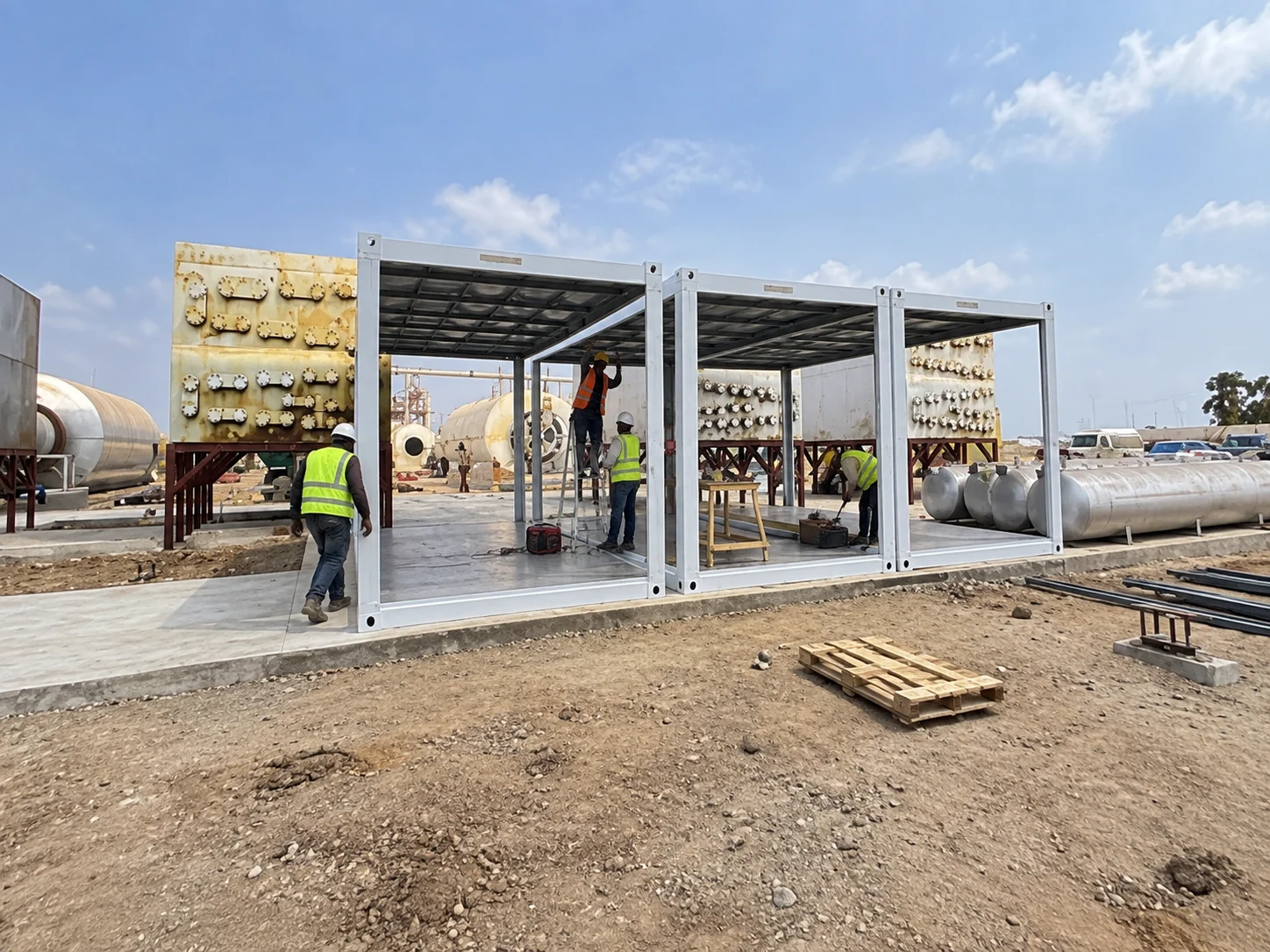
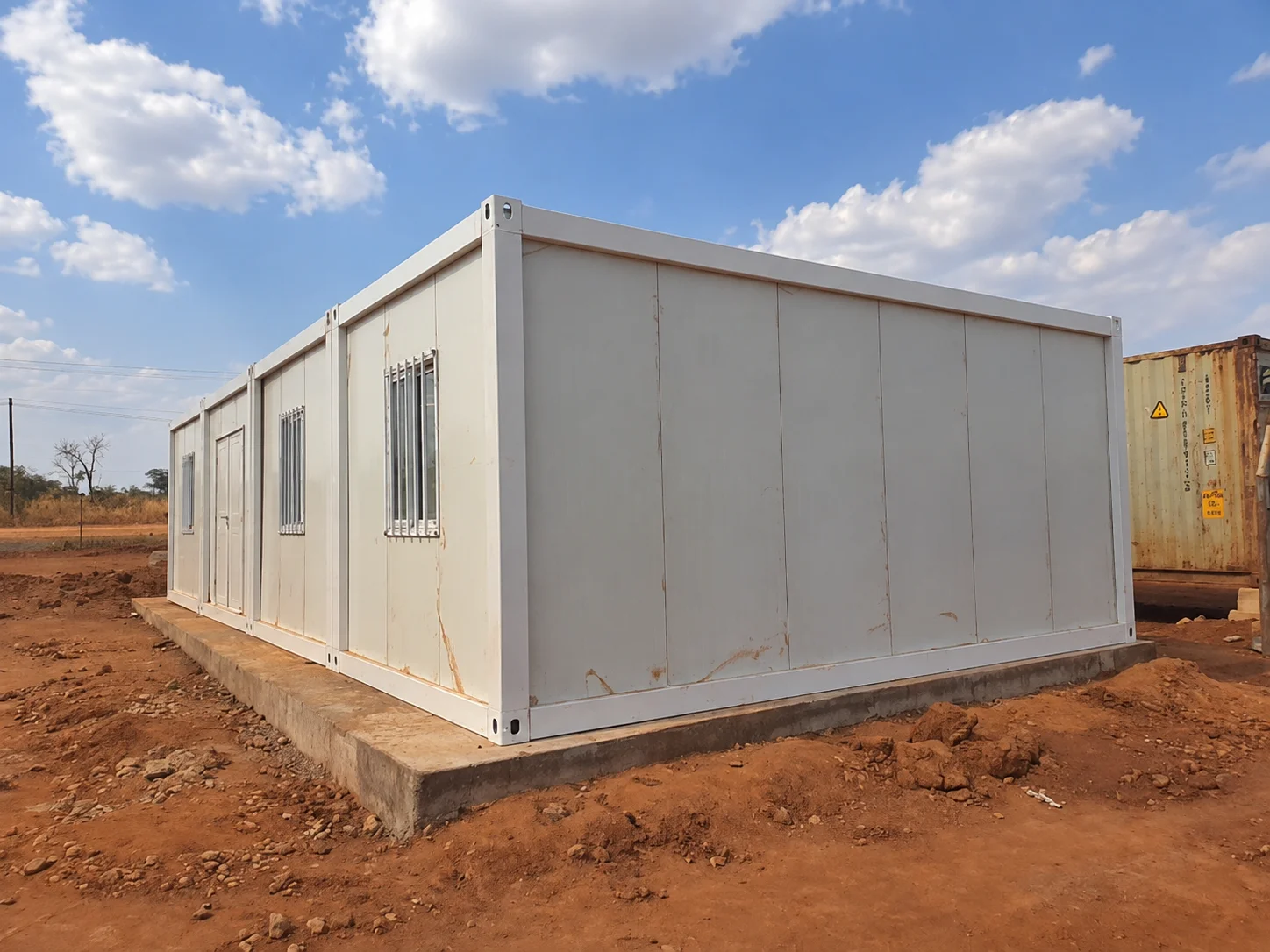
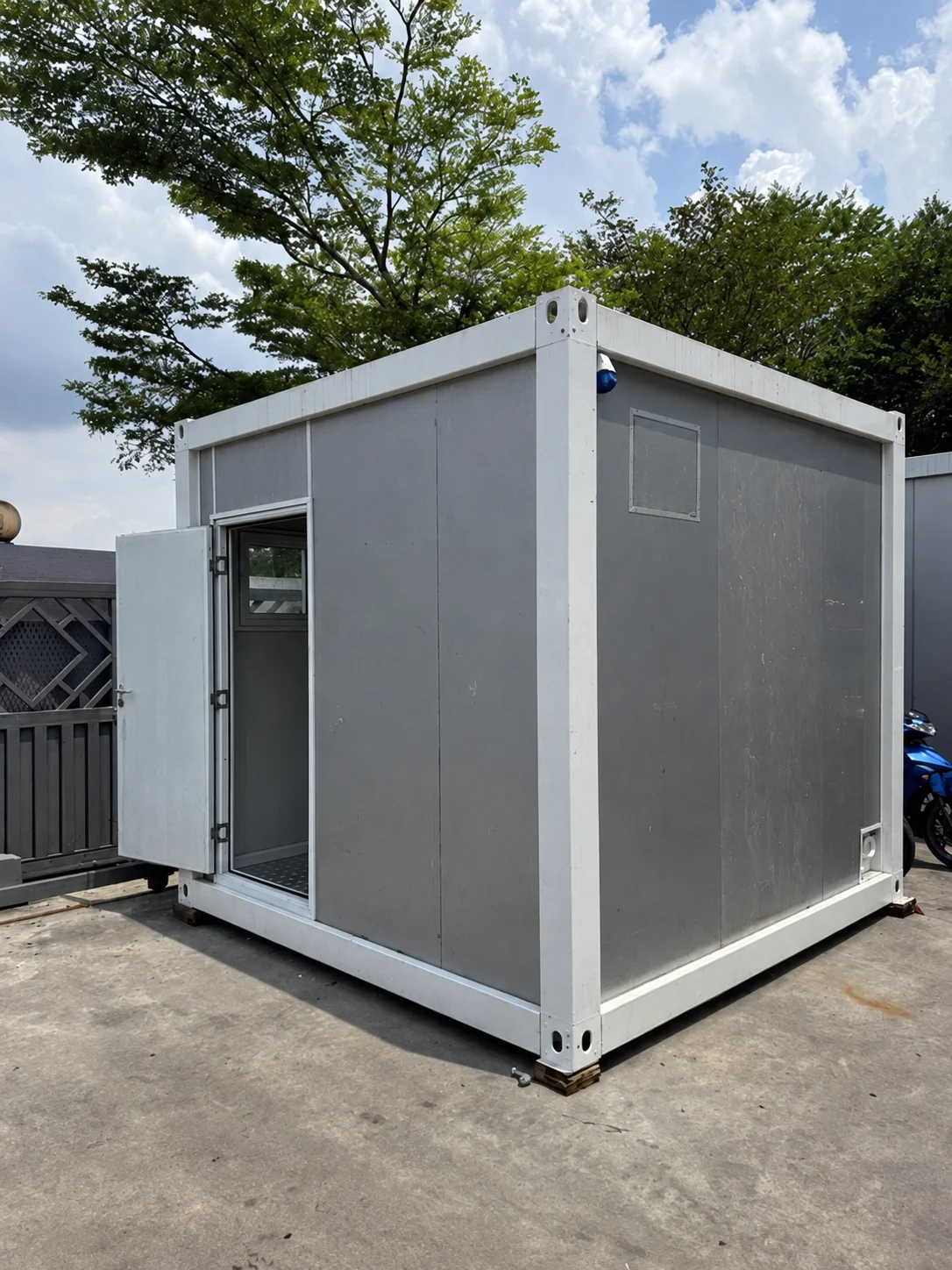
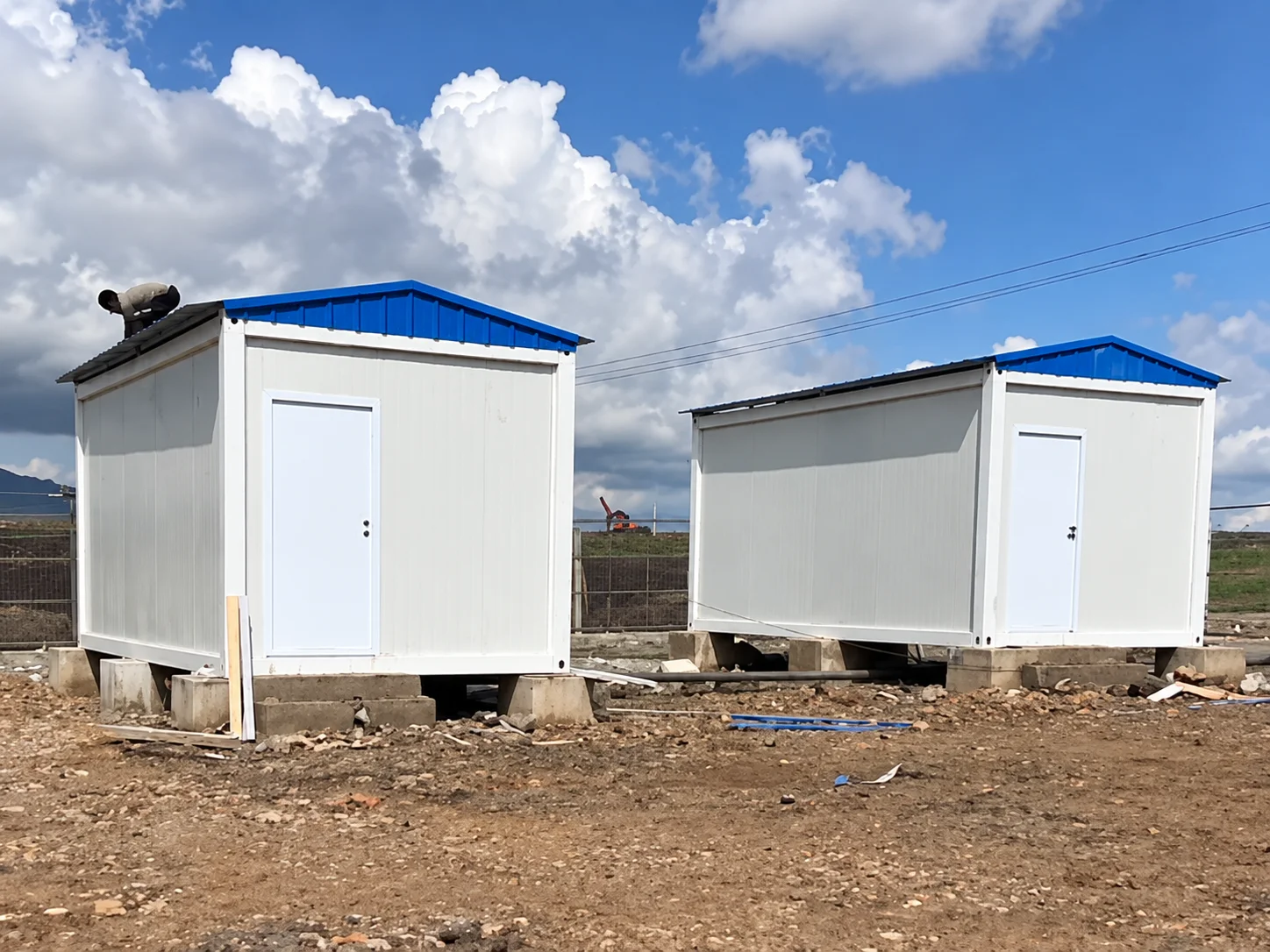
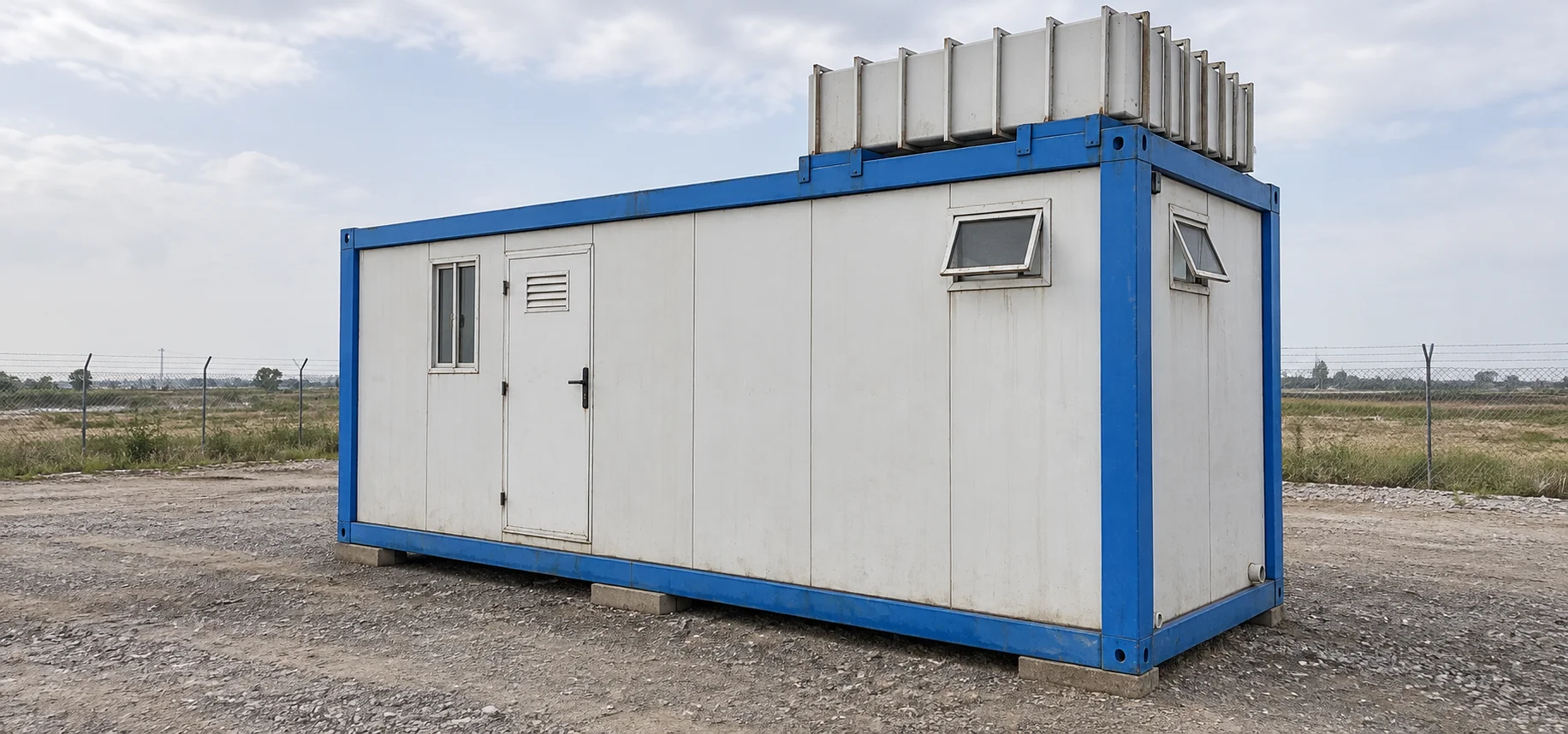
The construction and workshop group below shows assembly and production examples. The exterior groups contain other building applications, including larger compounds and multistorey arrangements. They broaden the reference collection for appearance and configuration discussion; they are not additional Ghana restroom photographs or proof of this order’s production and delivery.
View construction and workshop references
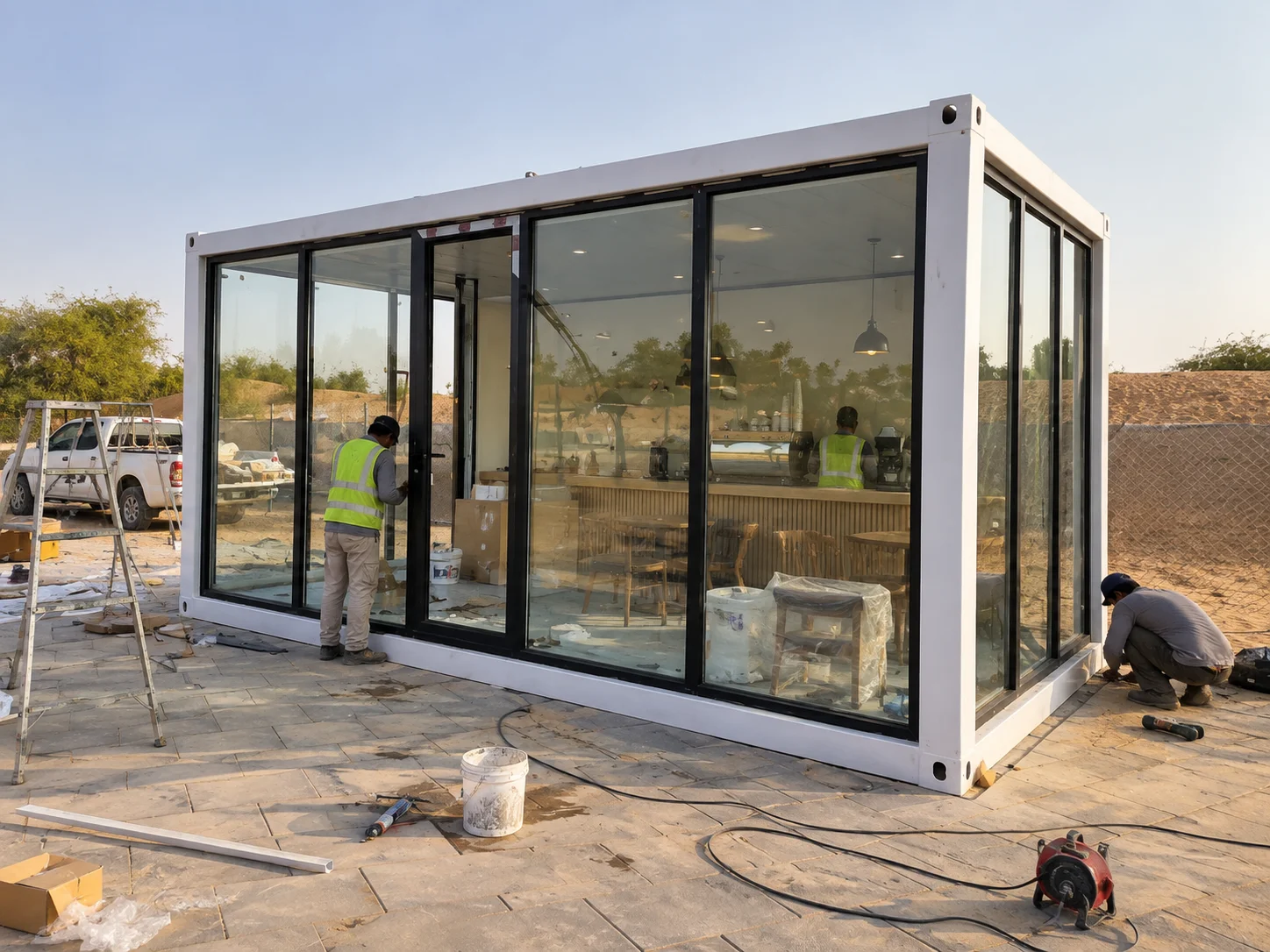
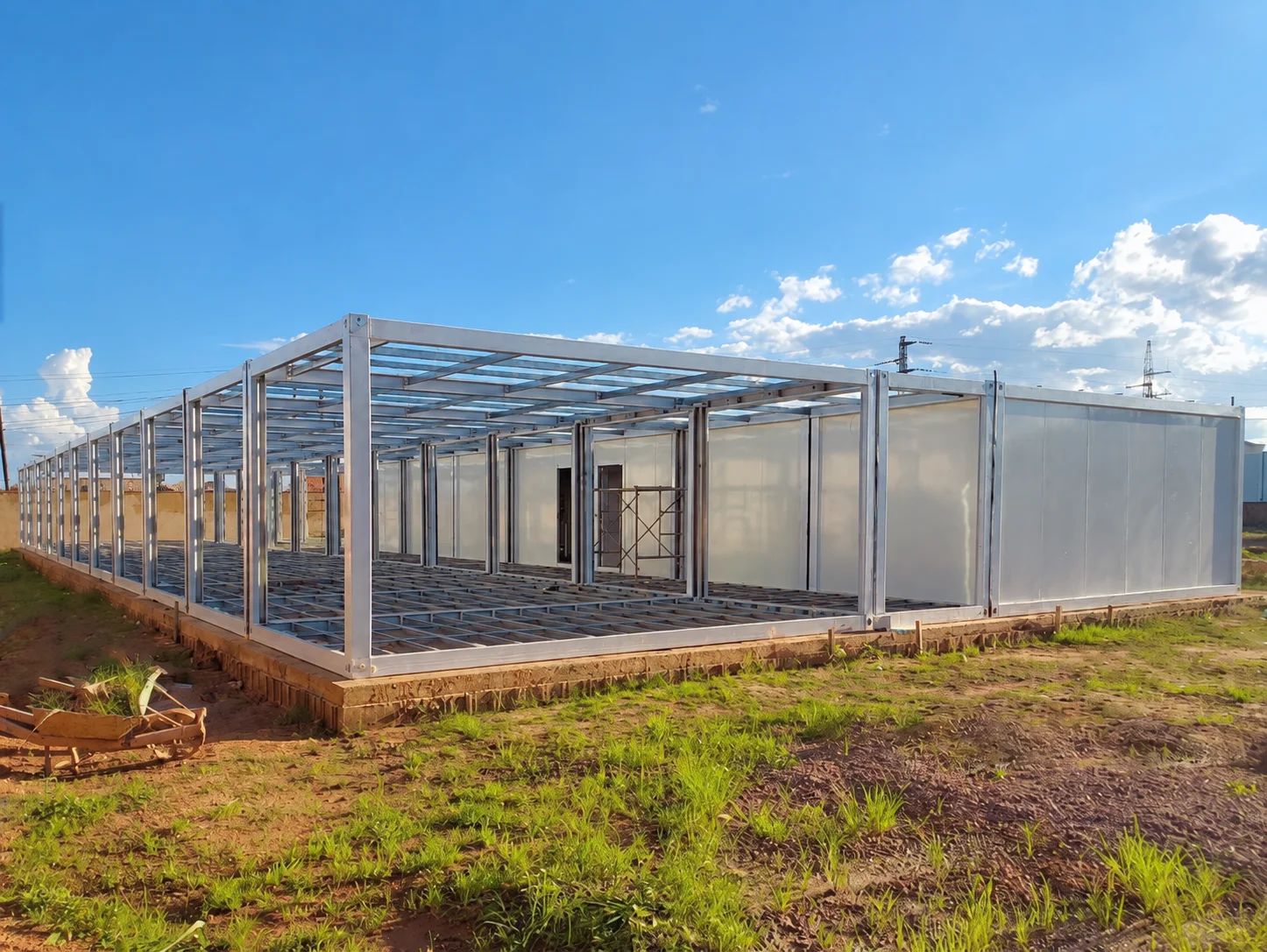
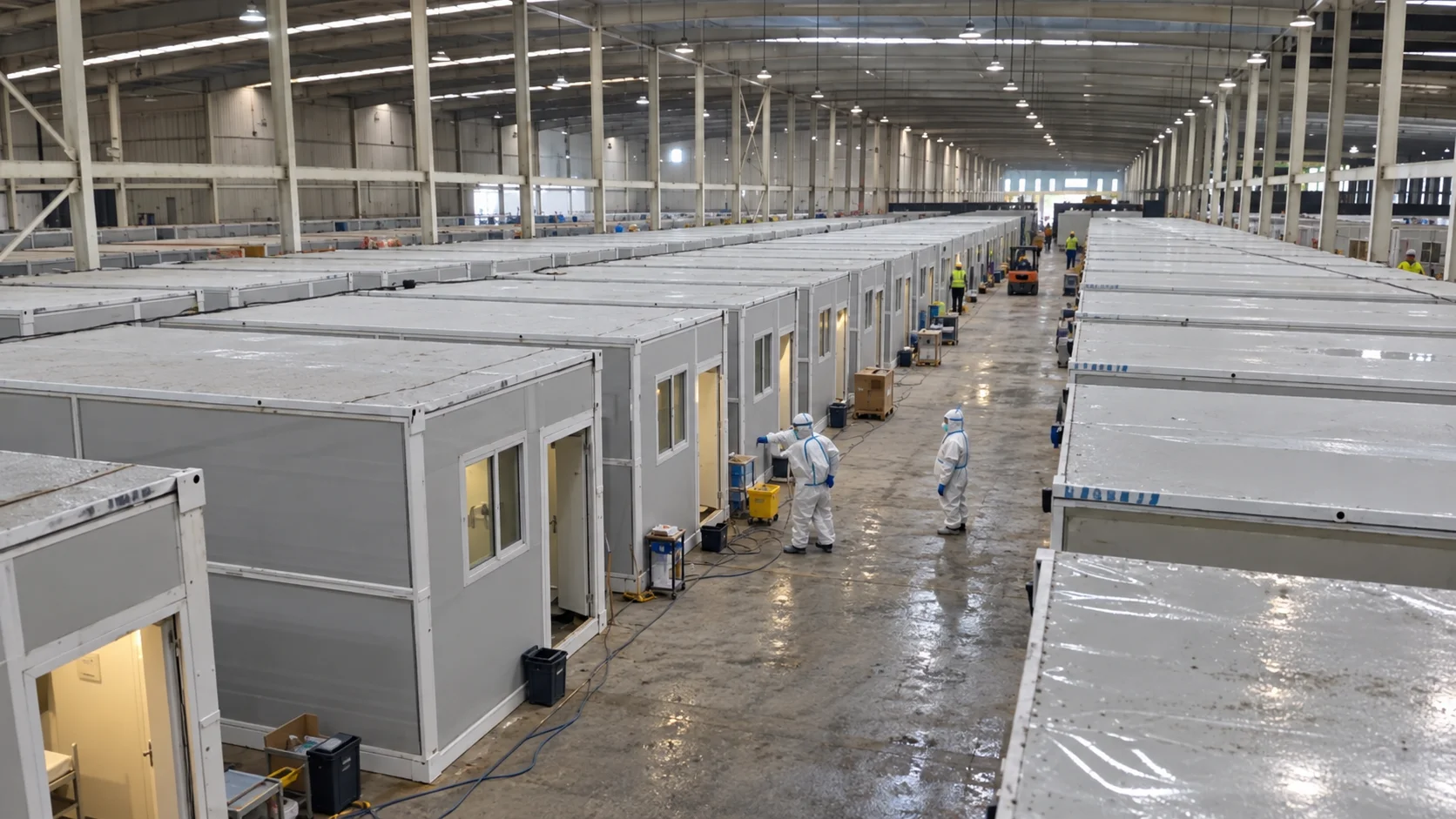
View module and exterior references
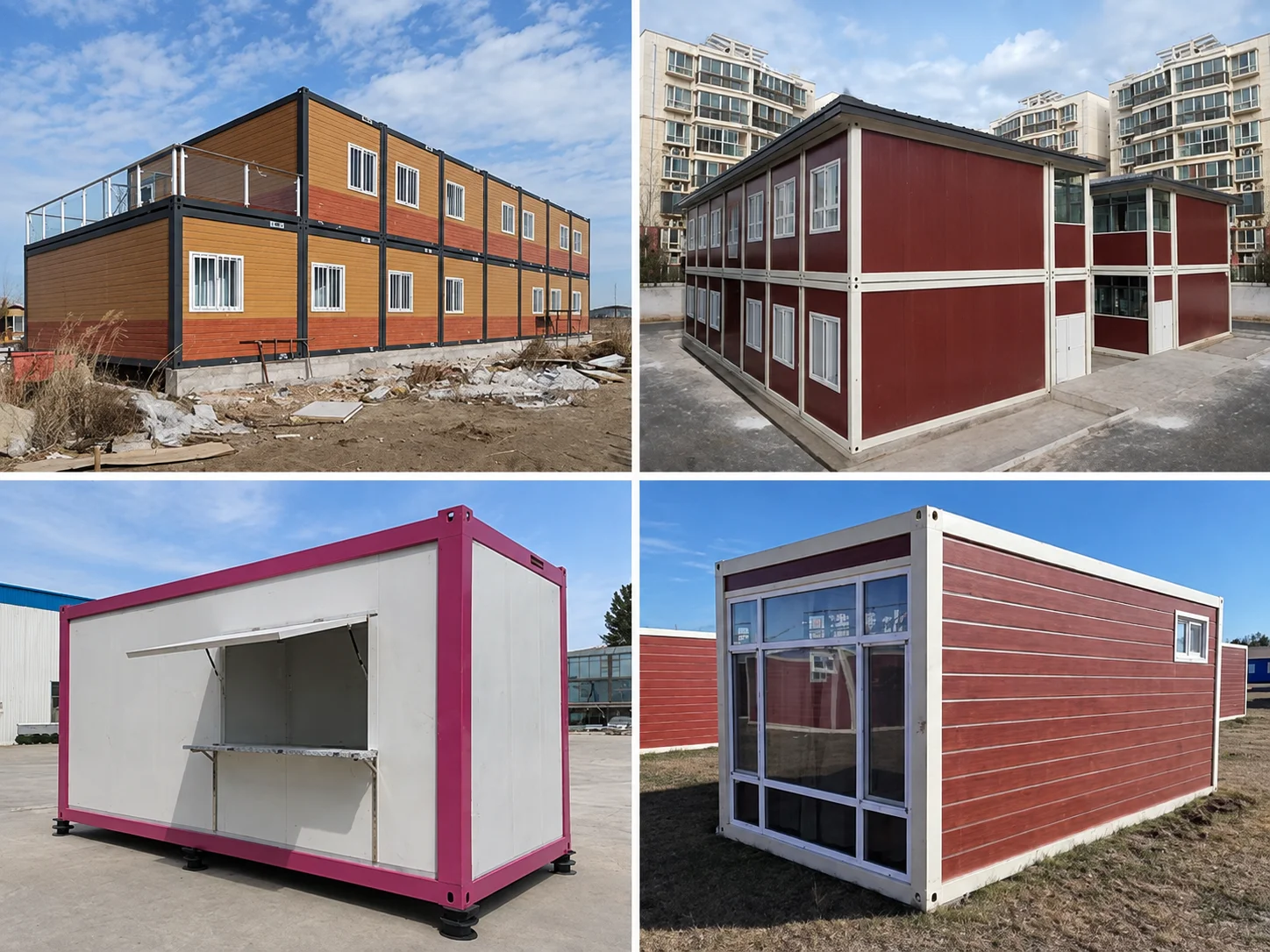
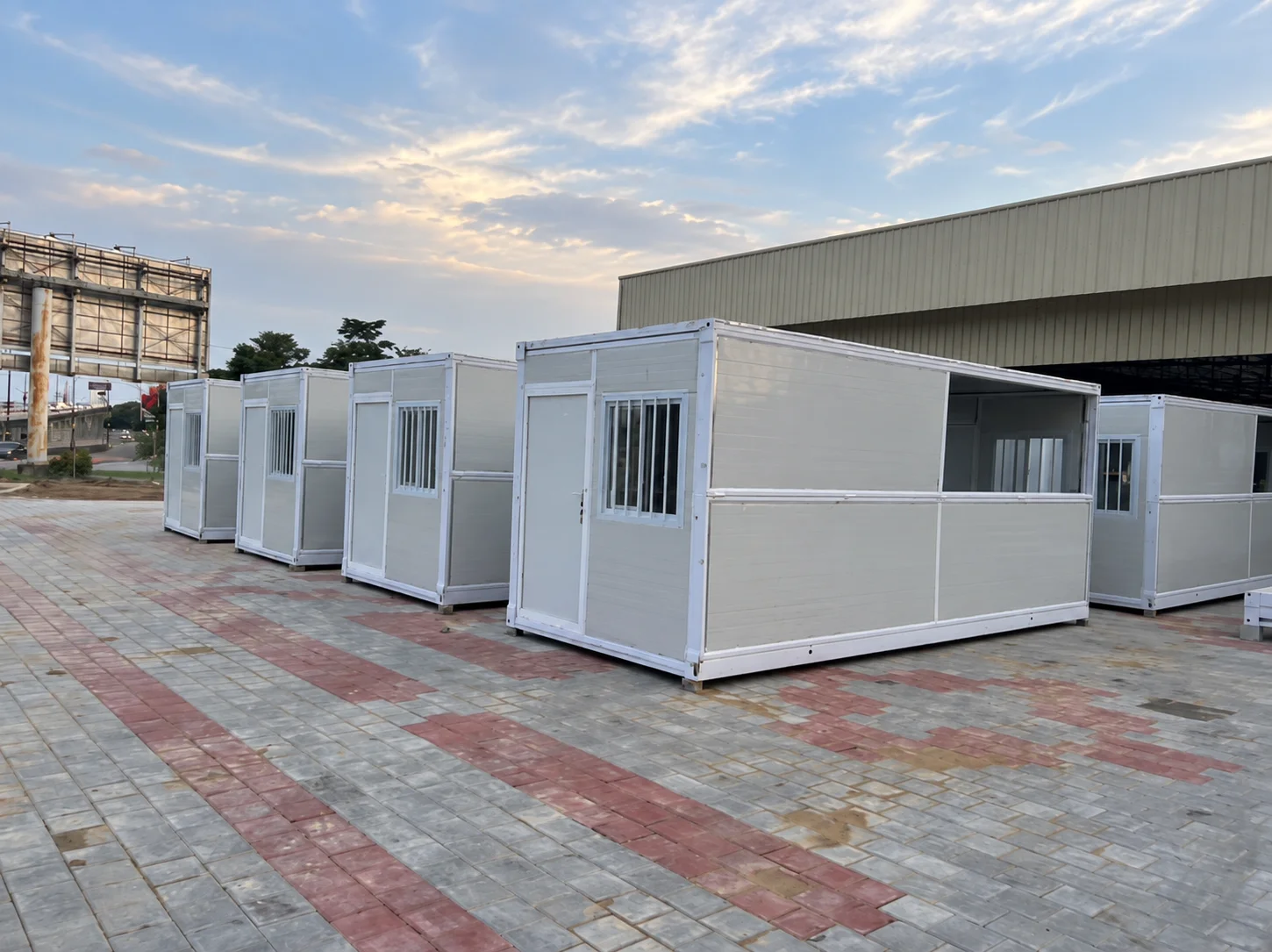
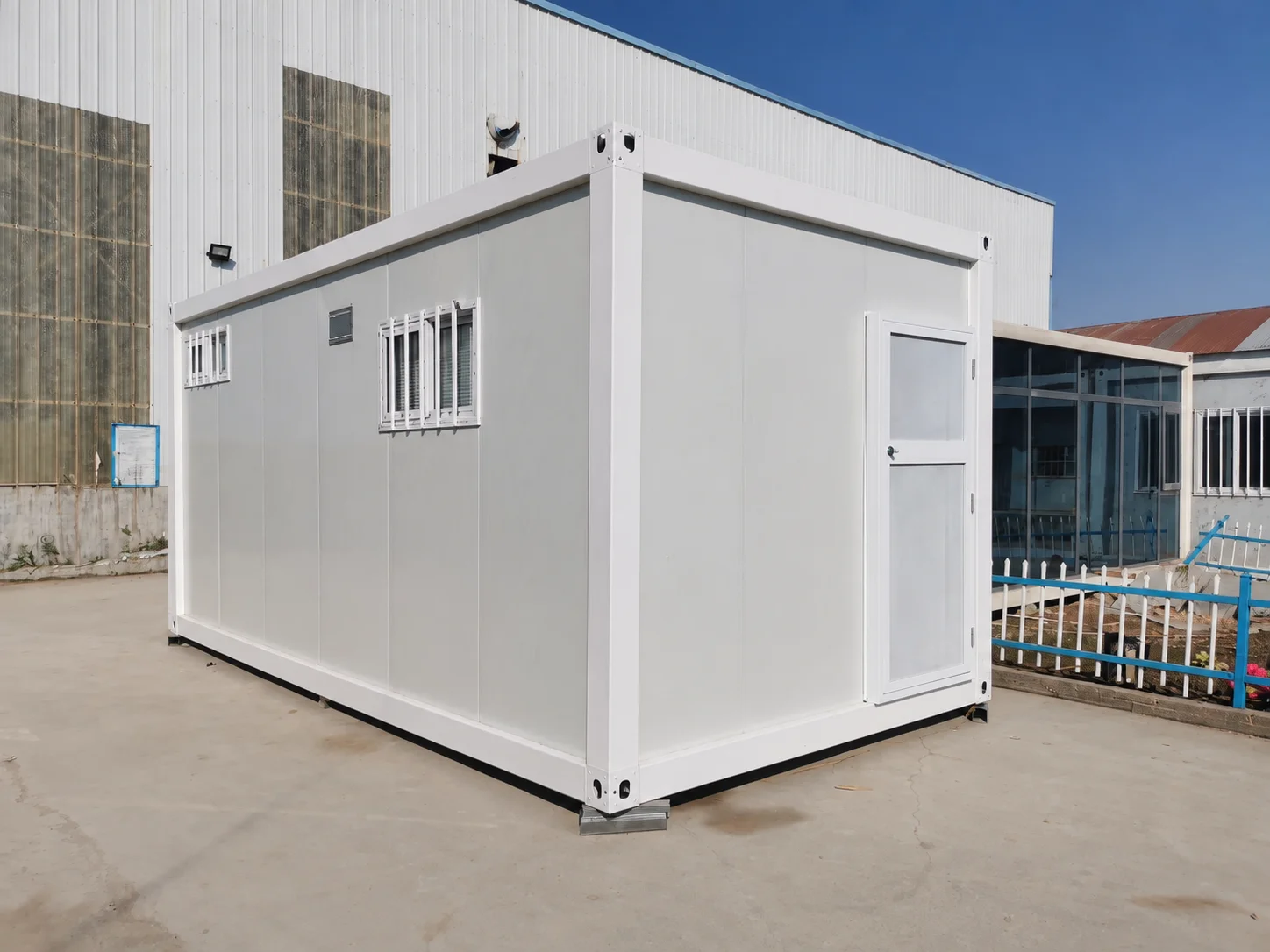
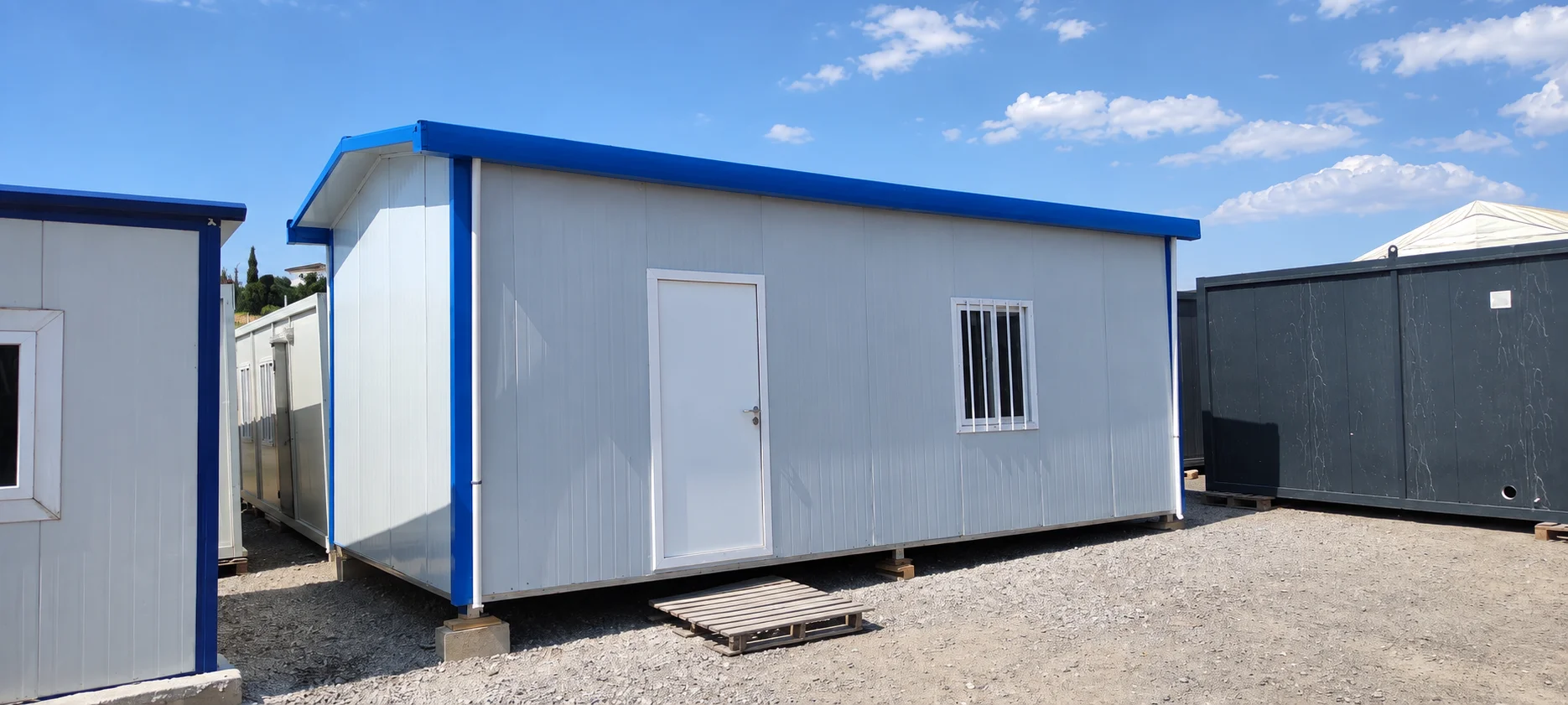
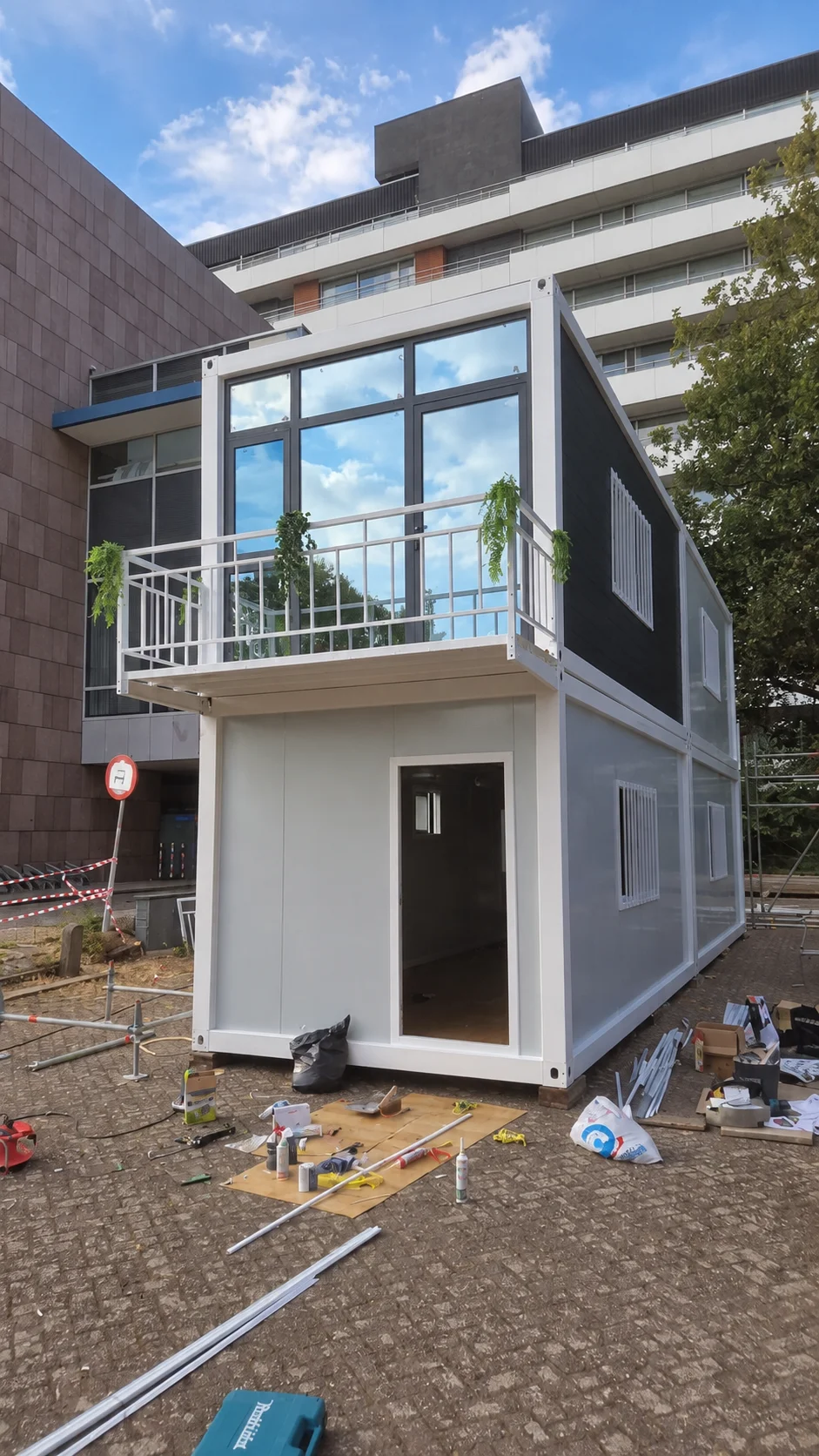
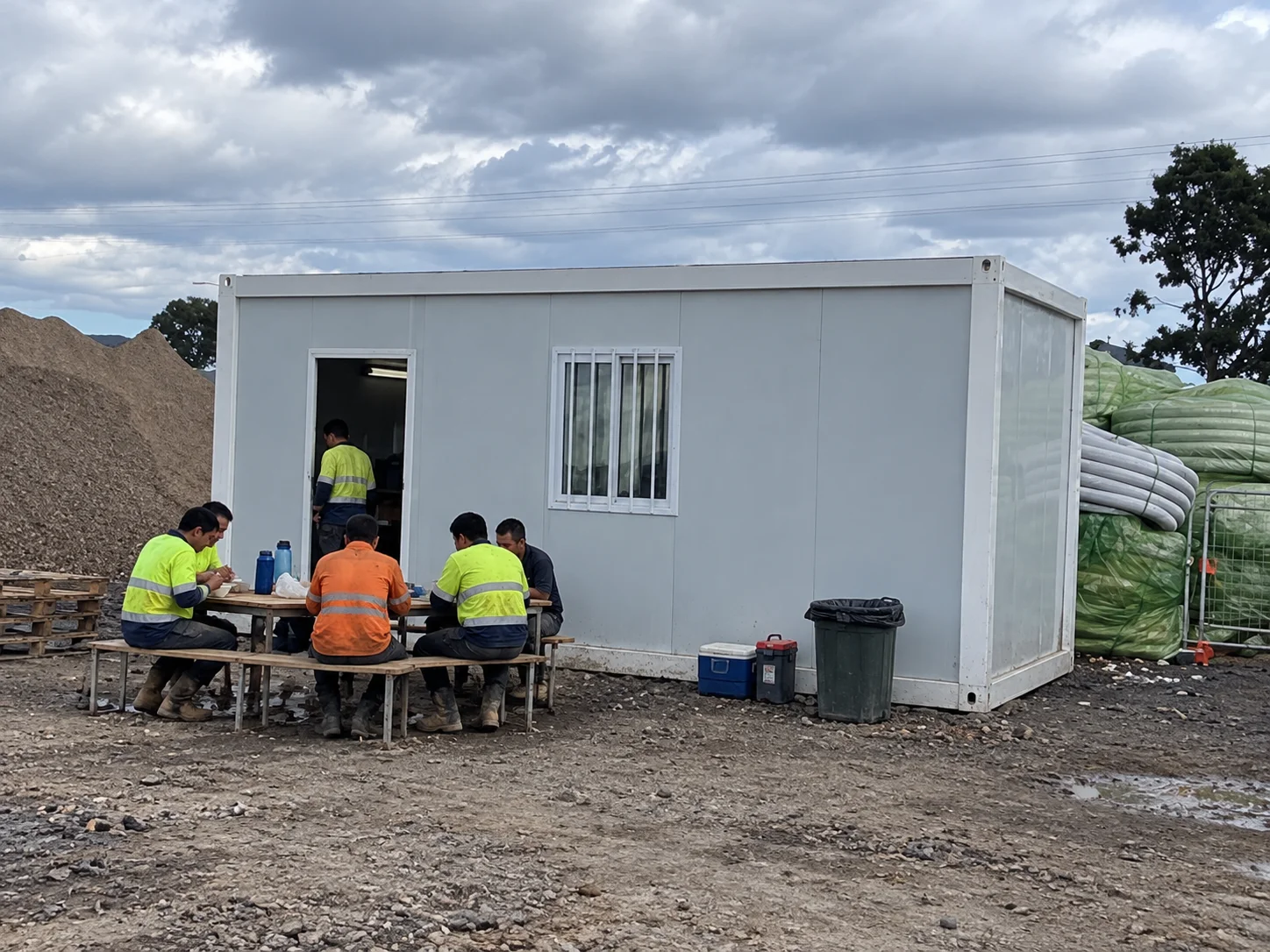

View grouped and multistorey building references
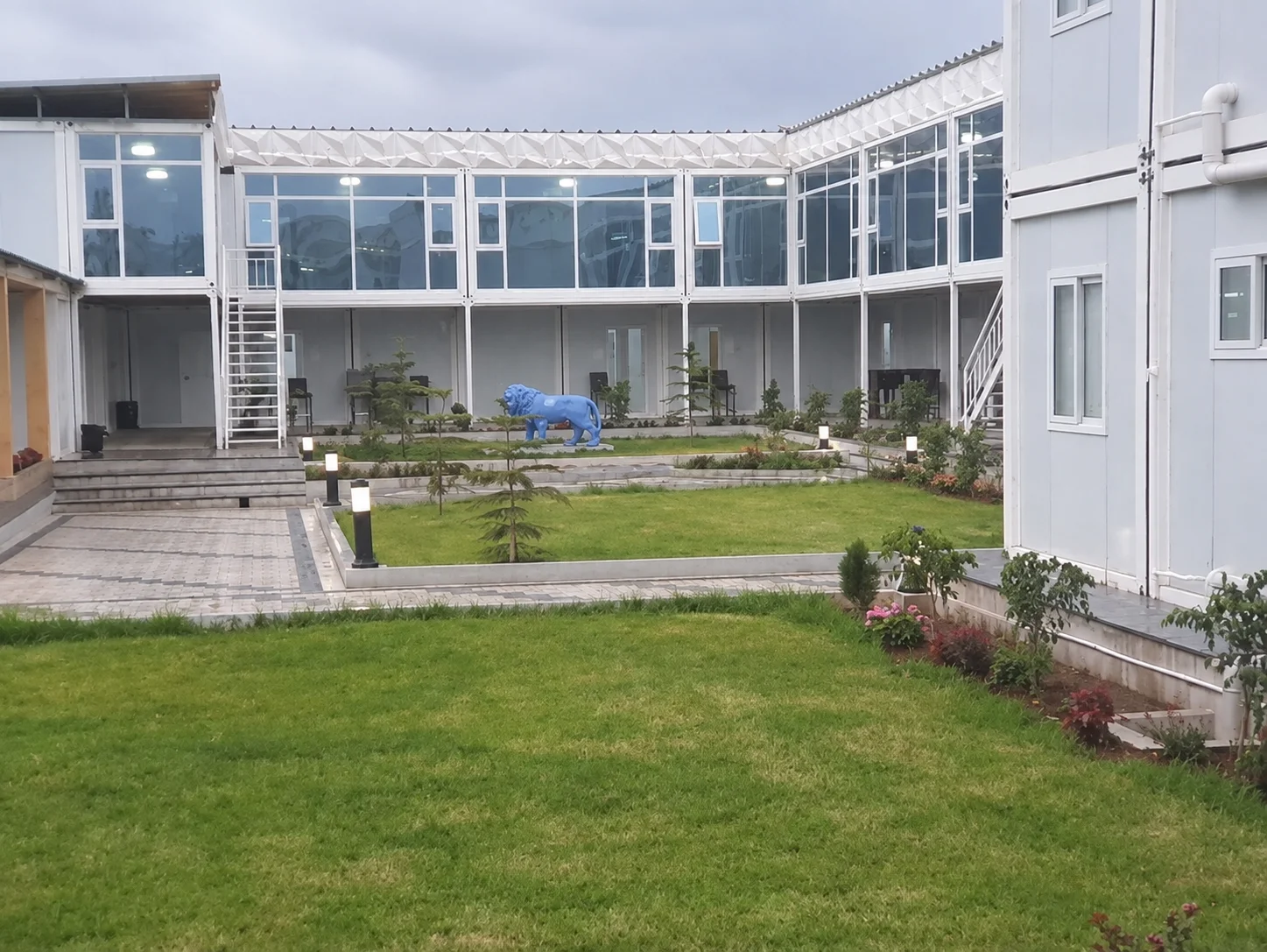
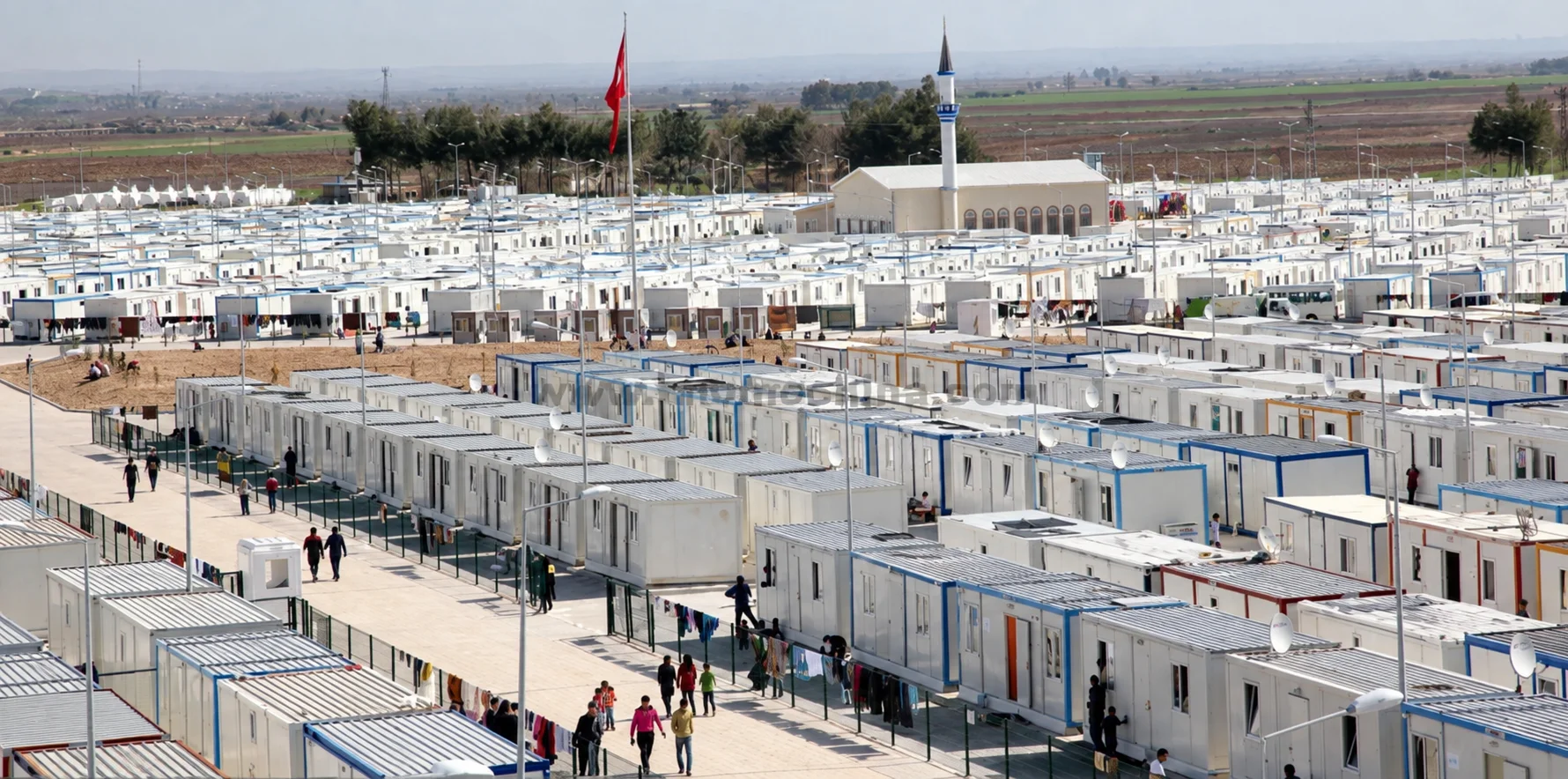
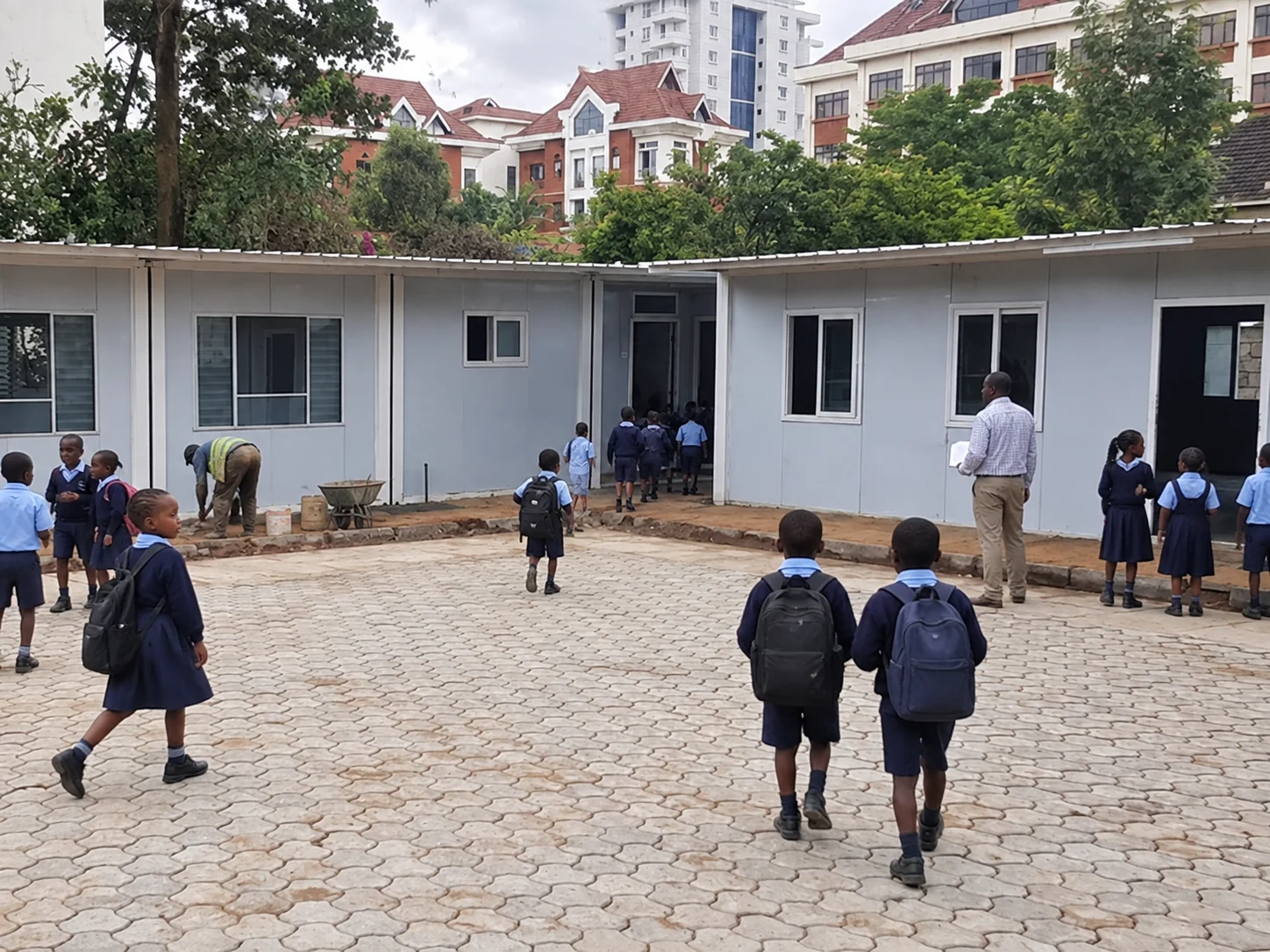
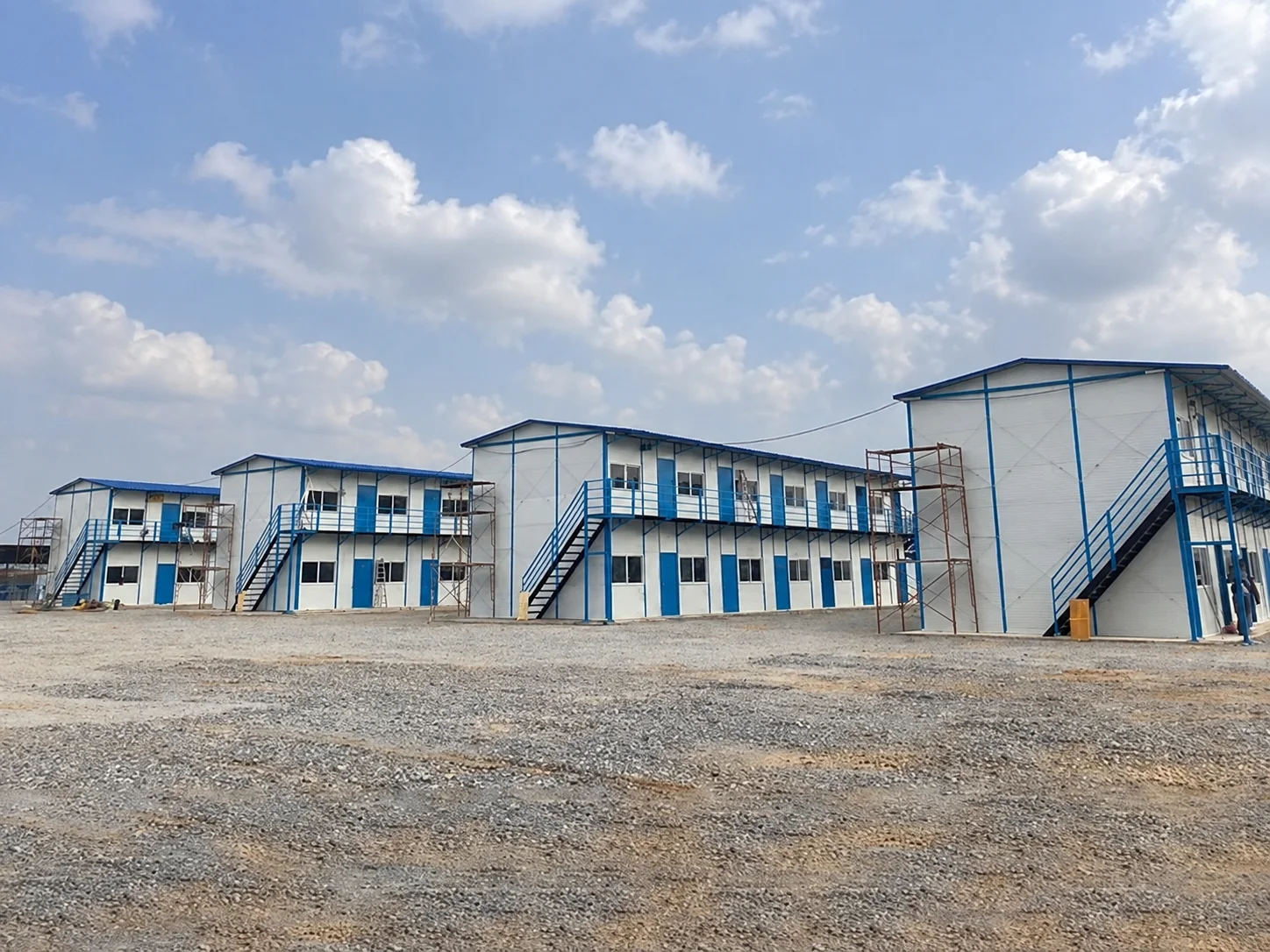
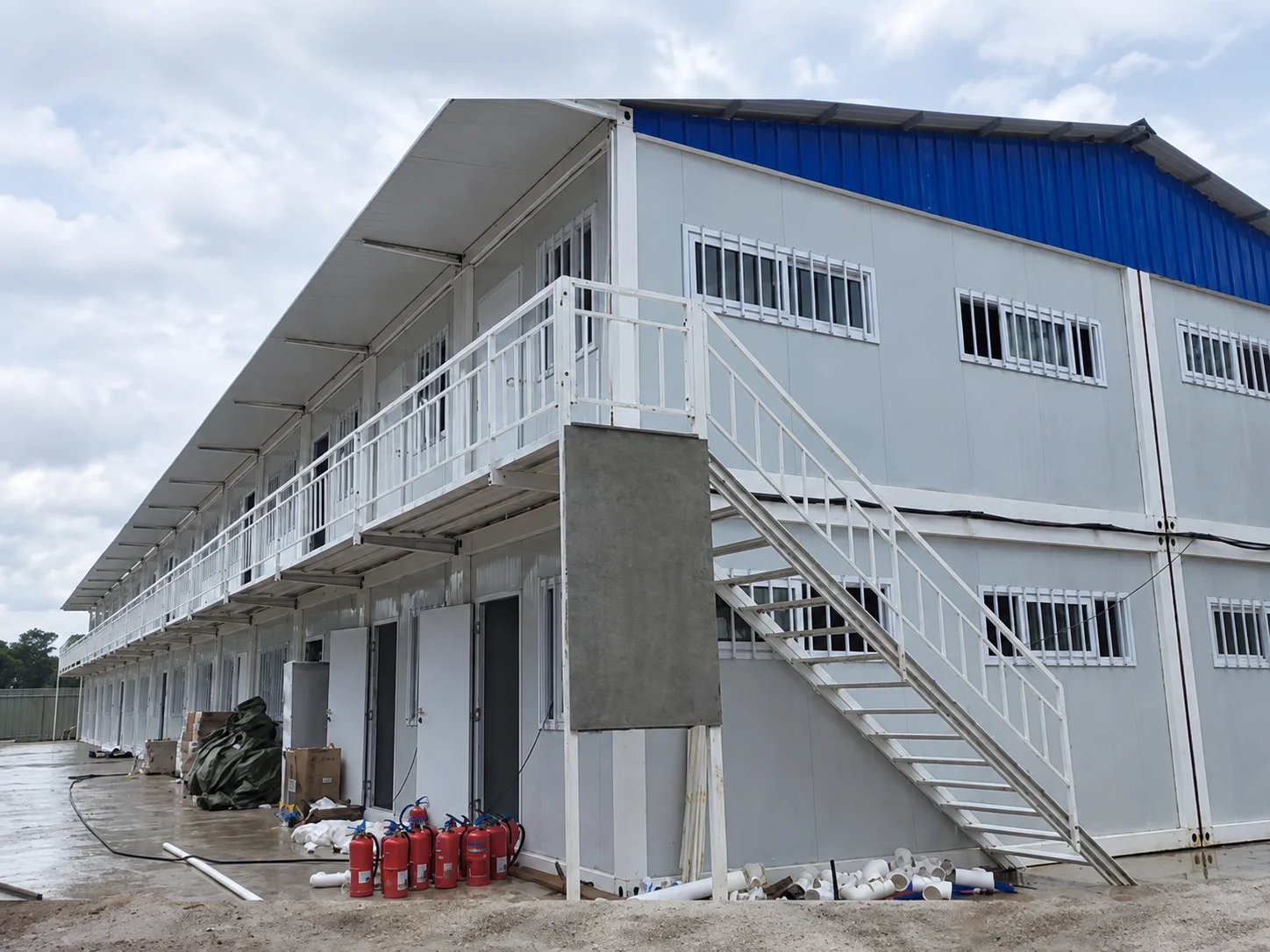
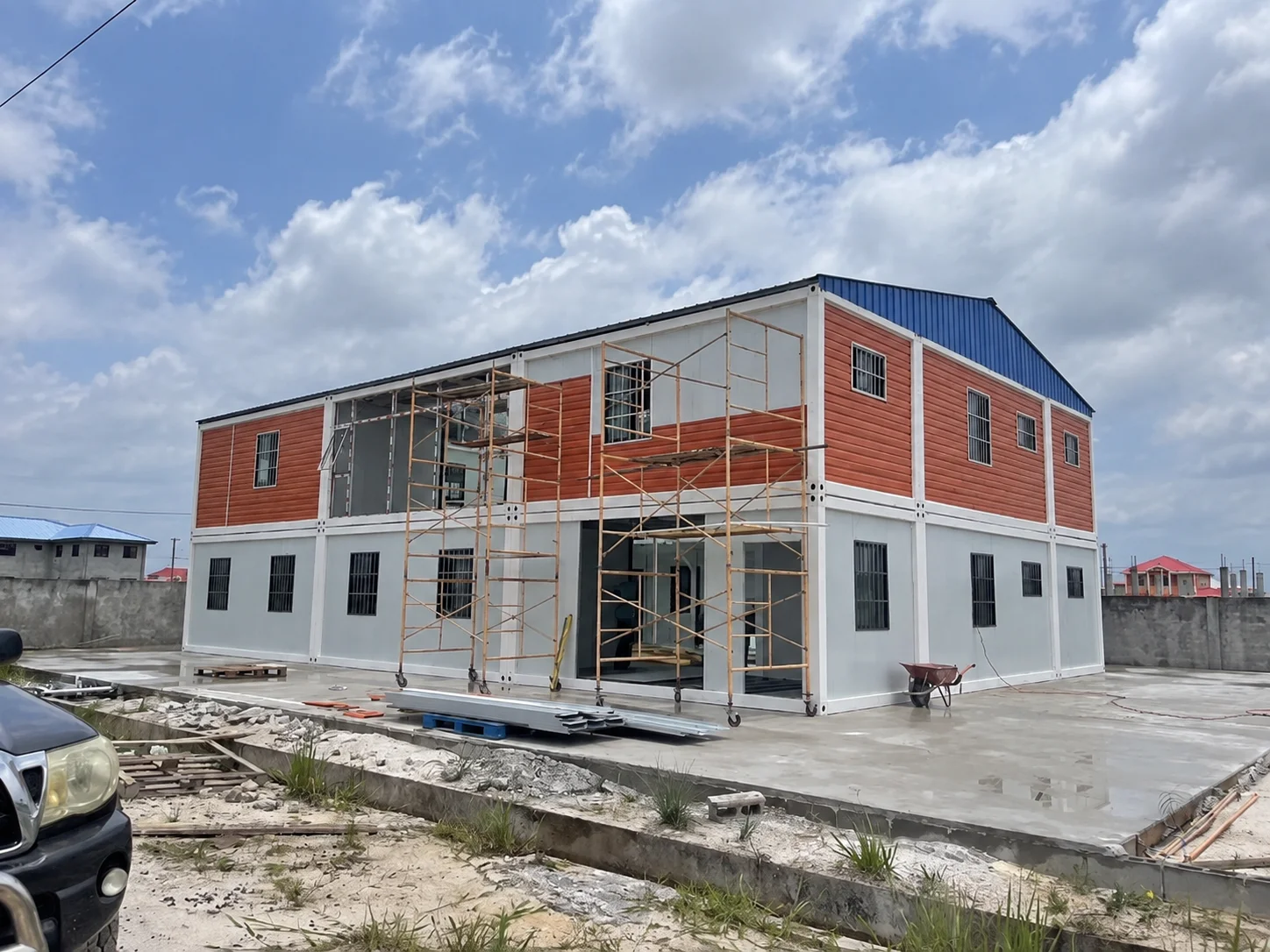
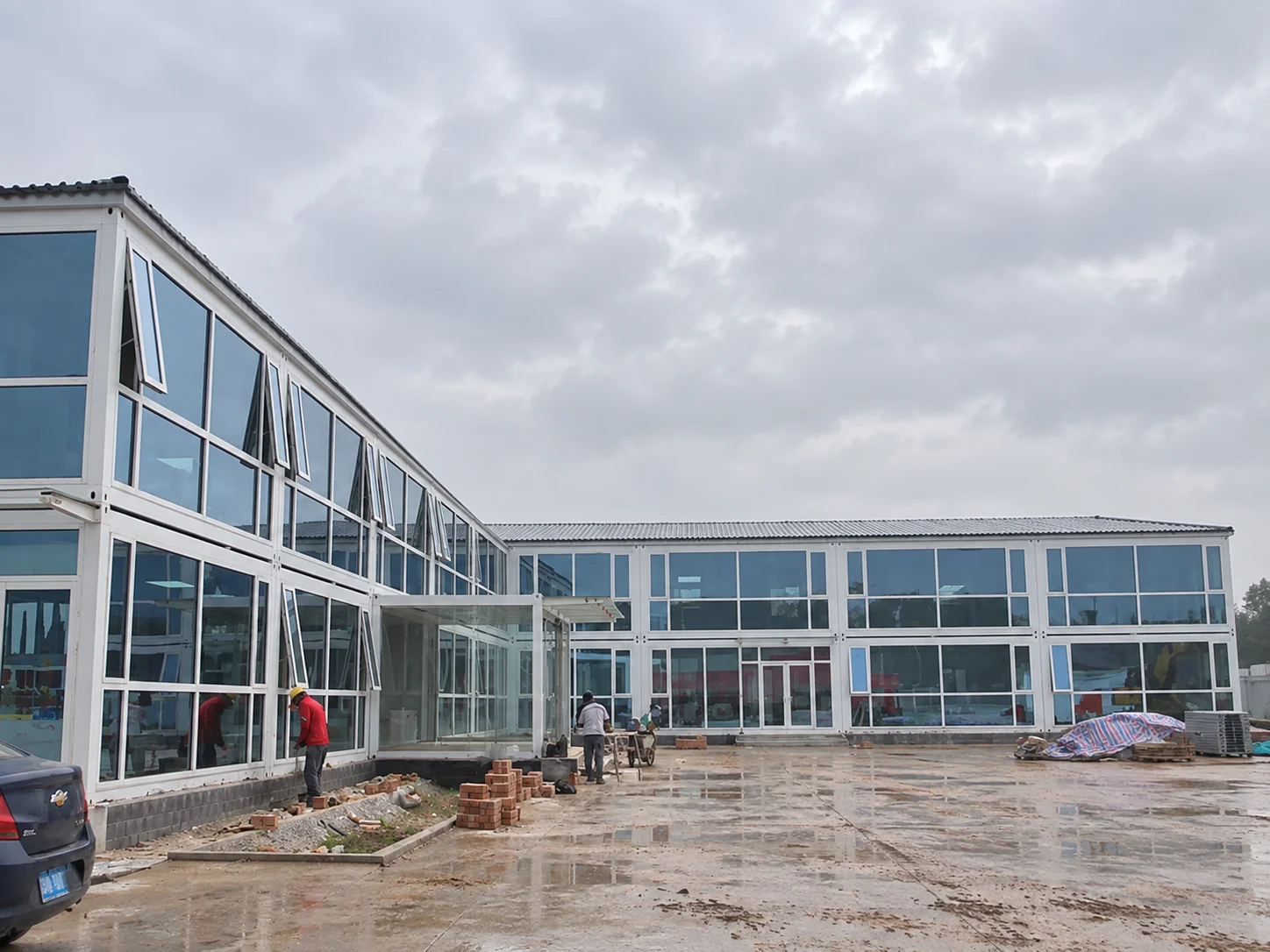
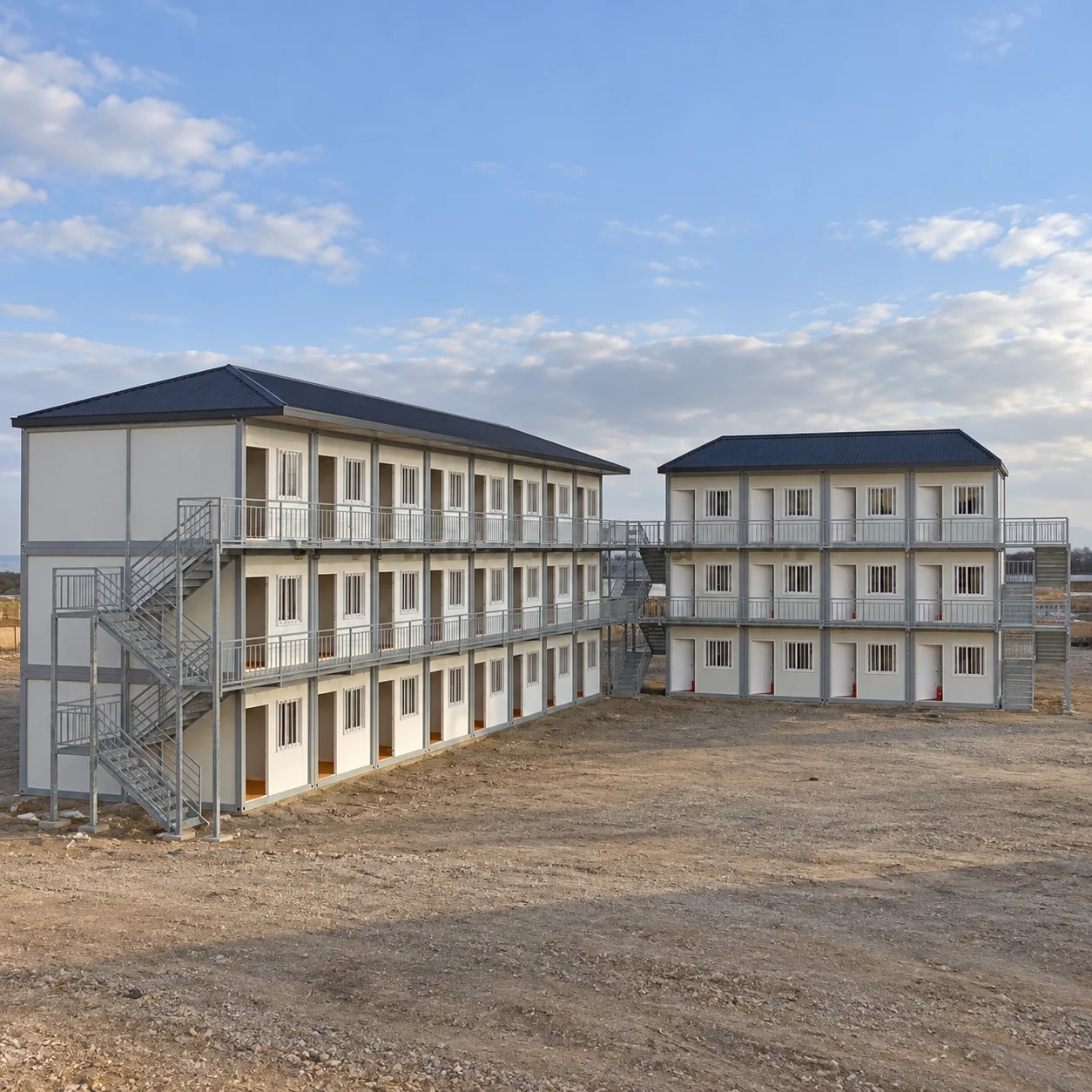

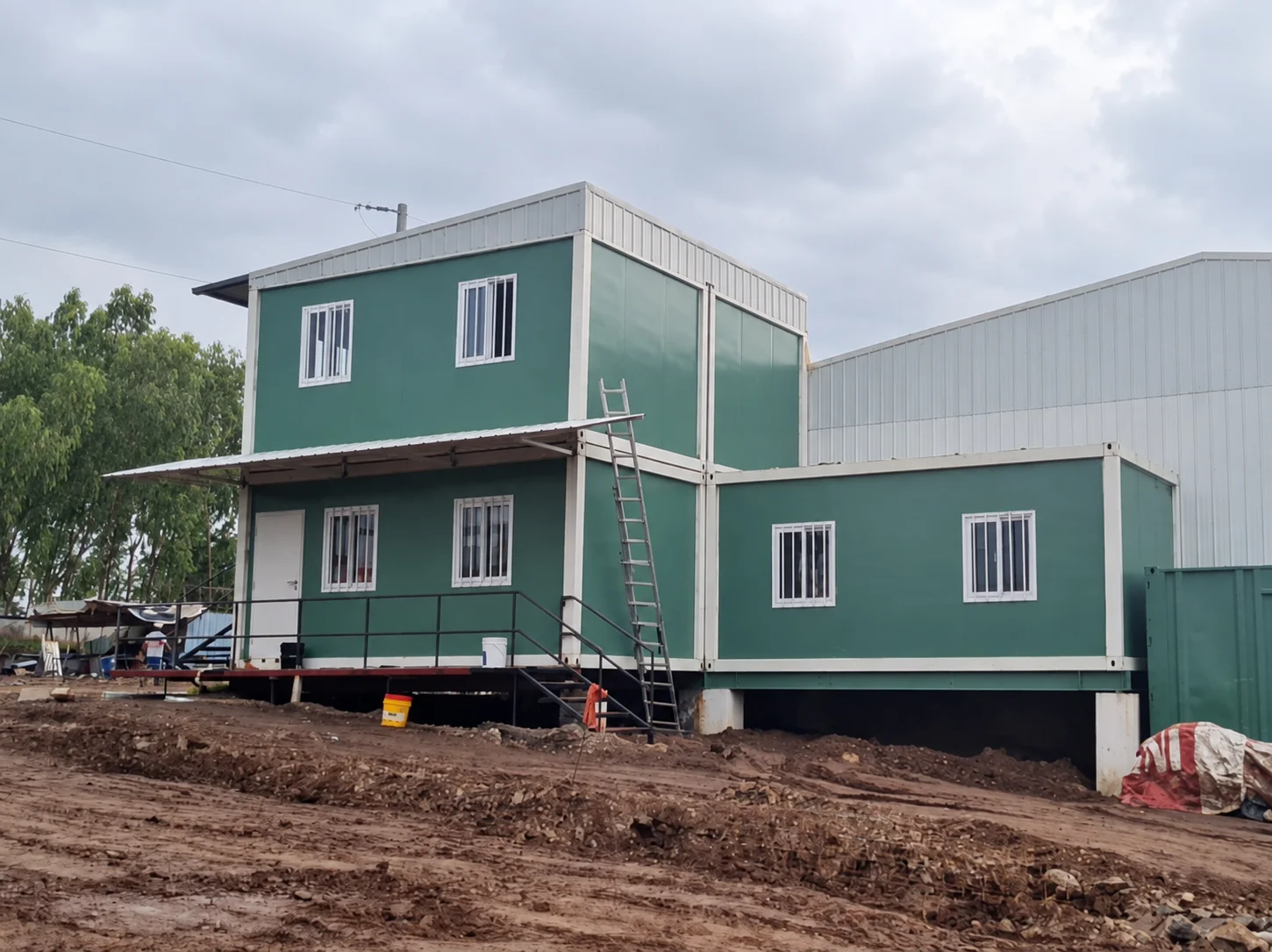
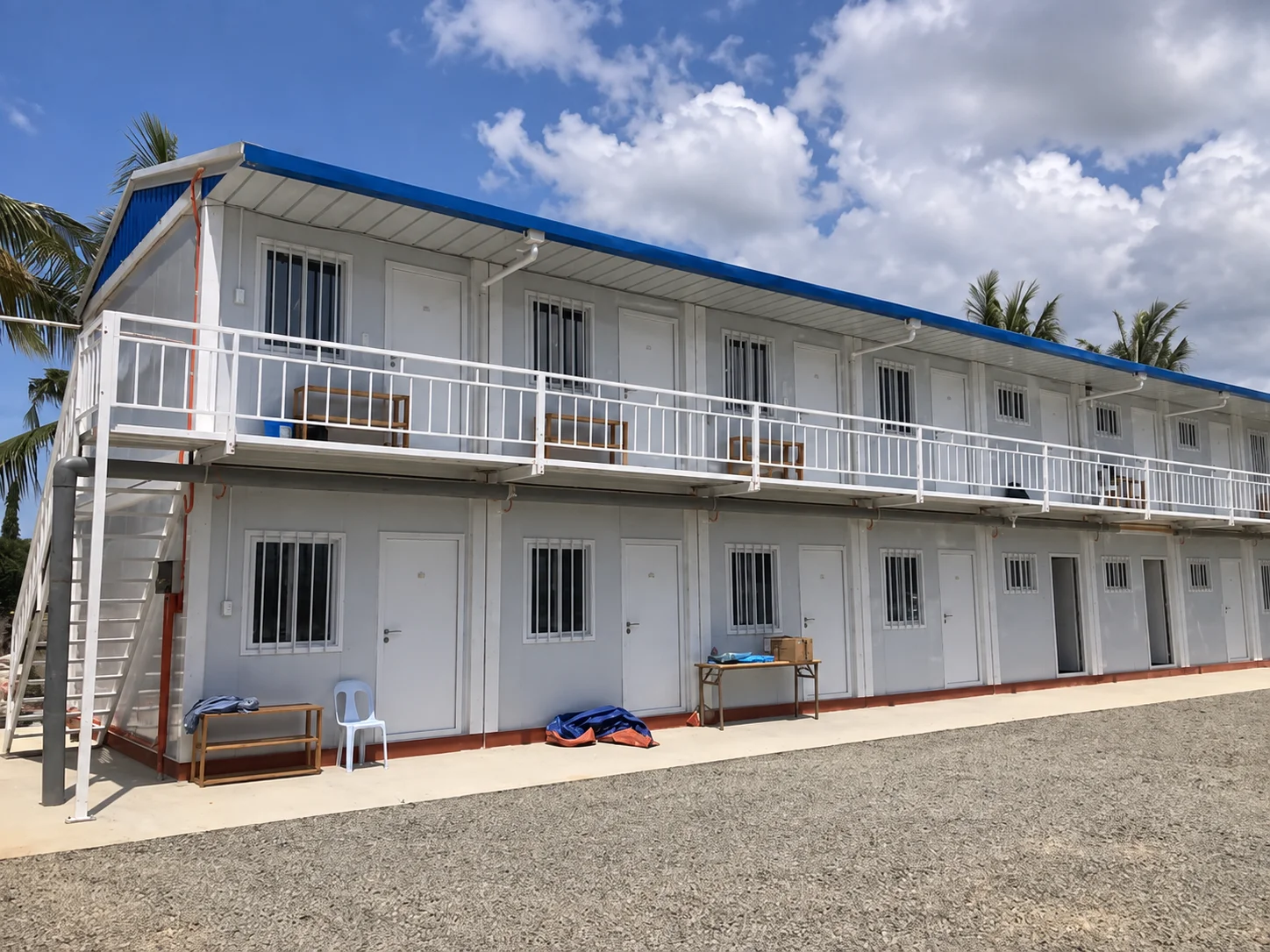
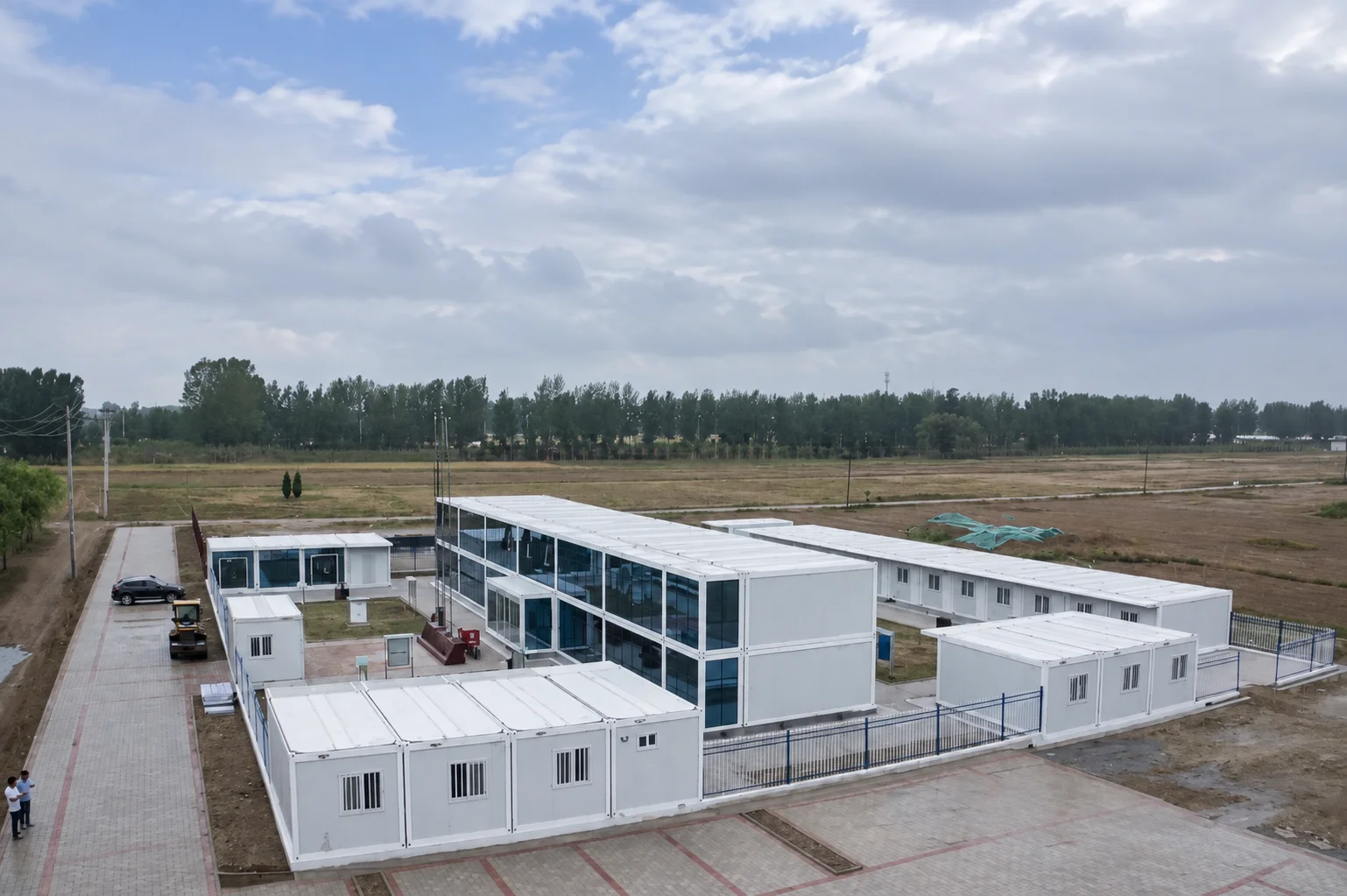
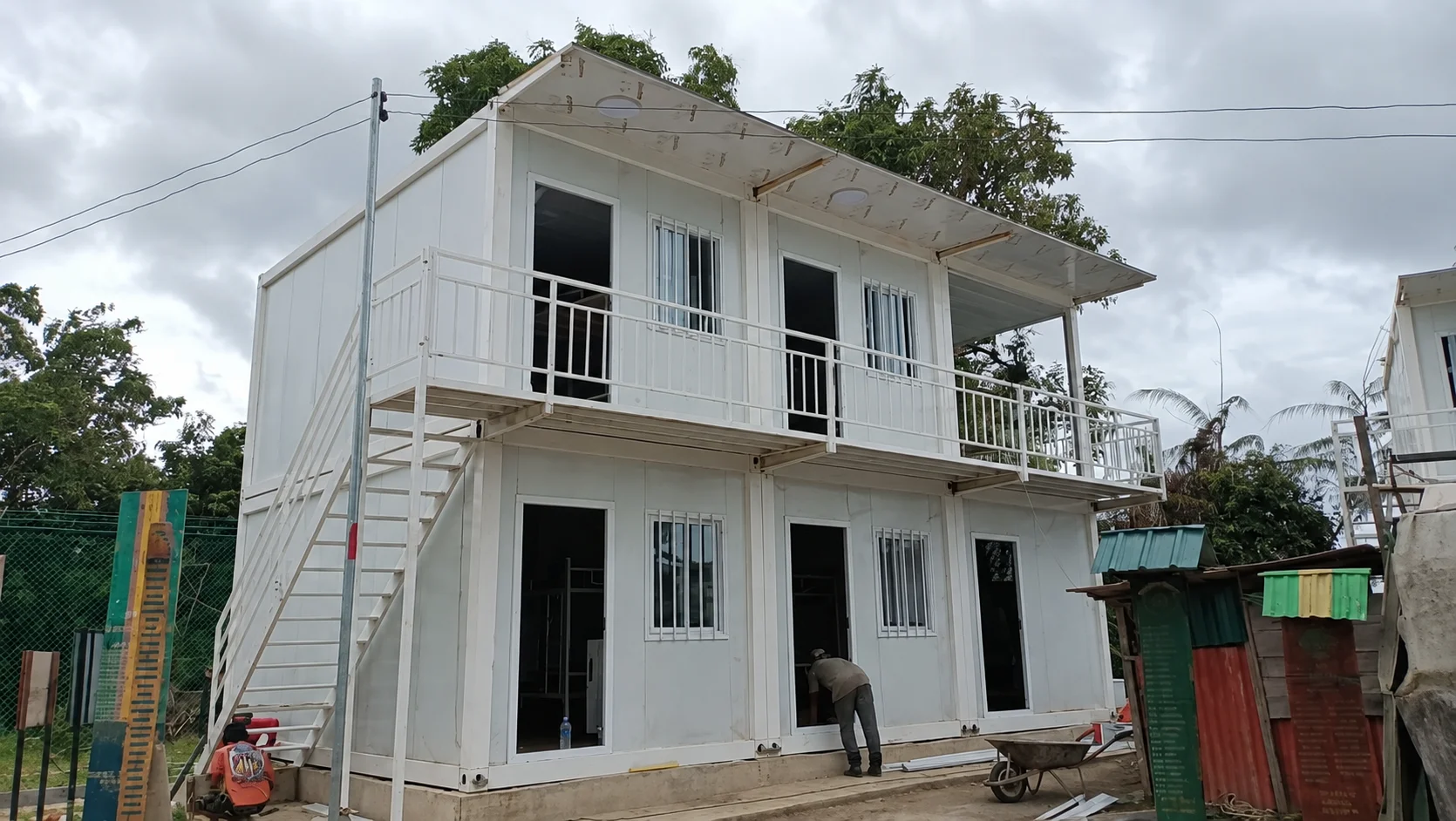

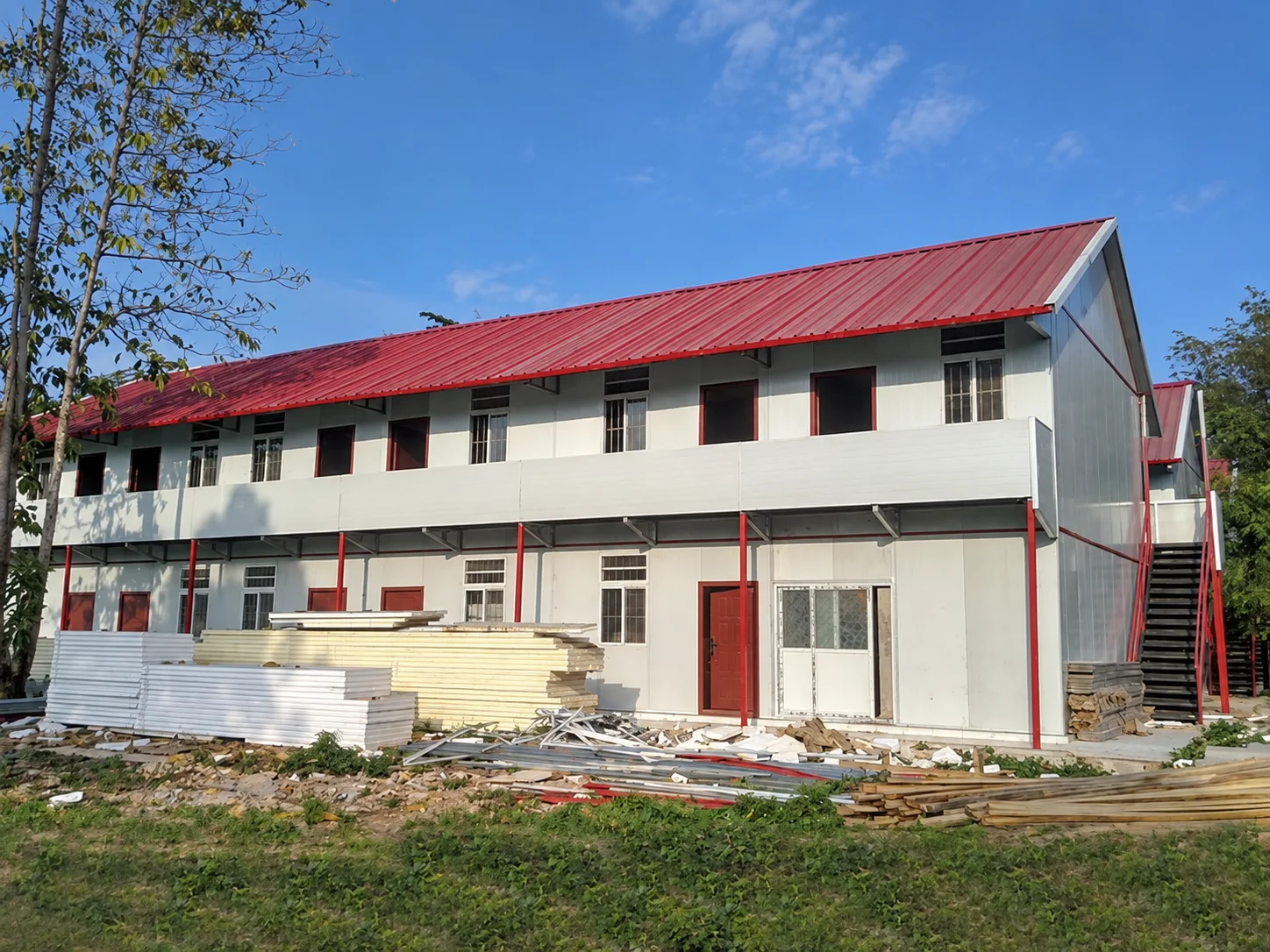
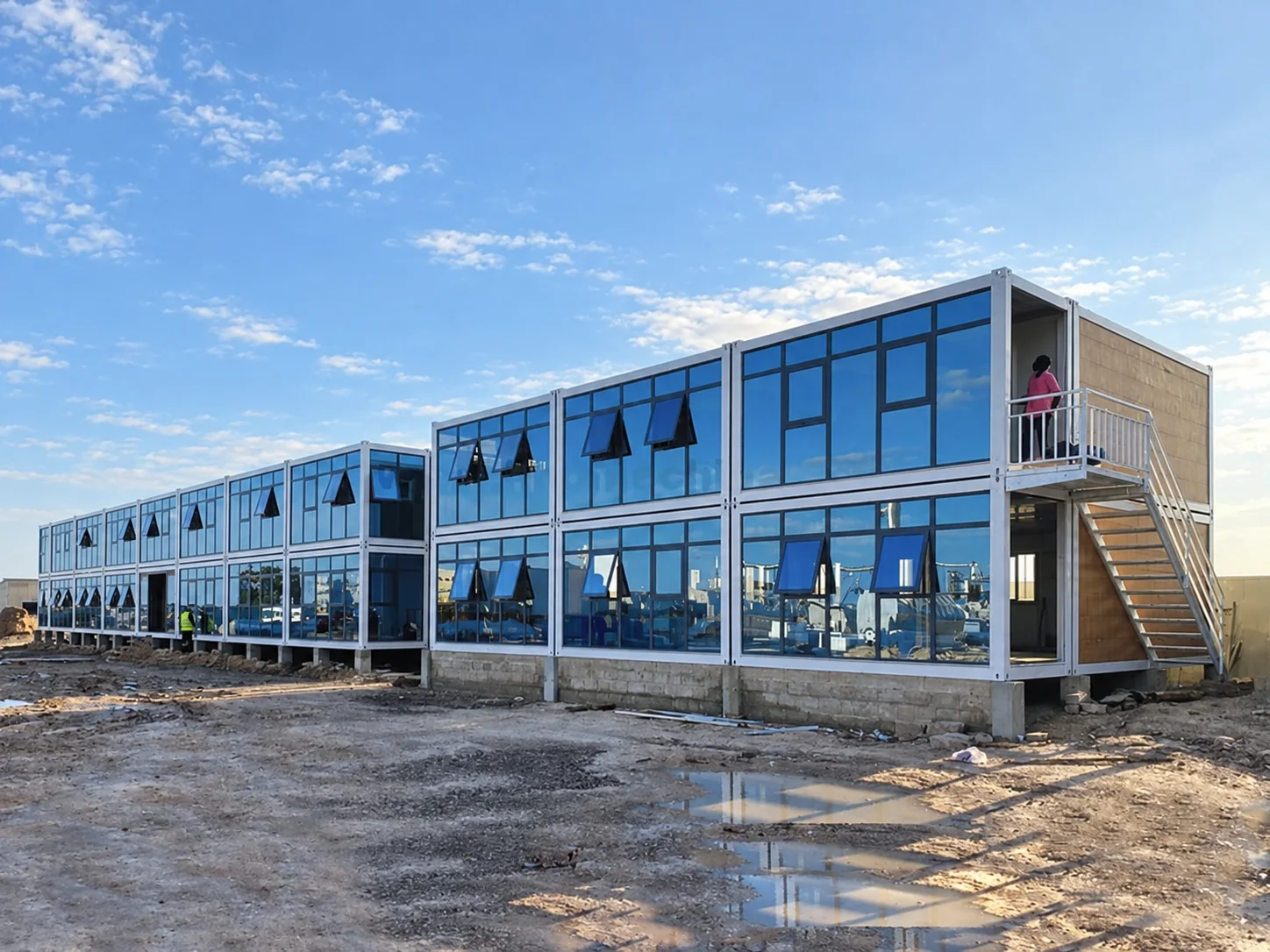
Before accepting the supply scope, check that its configuration, included items and responsibilities match the operation you intend to offer. Keep quantities, performance, transport approval, local acceptance and service arrangements dependent on the actual documents. The Ghana brief provides the application; the next useful step is a quotation that answers the rental provider’s complete booking cycle.
Sources and project evidence
- HSE, Getting started: event information and contractor coordination; Great Britain context, not Ghana approval.
- HSE, Equipment and machinery FAQs: selected equipment-hire section; responsibilities remain dependent on the actual agreement and local requirements.
- HSE, Inspection of work equipment: risk-based checks and manufacturer information; no universal interval adopted.
- WHO, Sanitation safety planning overview: sanitation-chain approach and second-edition publication dated November 18, 2022; the full linked manual is not represented as read.
- CDC, Protecting Workers Handling Human Waste, April 22, 2024: worker arrangements and site-specific assessment; no operating chemical or medical instructions transferred.
The Ghana application and PQSE role come from the owner-confirmed project brief. All images retain their reference classifications and visible source features. The booking, interface and return tables are editorial buying frameworks, not completed project records, independent certification or a human engineering review.
Planning a restroom for event rentals? Share your room requirements, venue services and proposed transport and maintenance responsibilities with PQSE House.
Discuss your event-restroom brief