Before ordering a coating repair for a detachable container house, identify the affected component, the surface beneath the paint, the existing coating and the conditions around the damage. Then ask the responsible coating specialist for a repair specification and an acceptance record tied to that location. A matching colour, a product described as suitable for steel, or an attractive finished photograph does not establish that the proposed repair is compatible with the building you own.
This article concerns the information needed to commission and verify local coating work. It does not specify paint for an unidentified PQSE configuration, authorize structural repairs or provide a chemical application procedure. The detachable container house product page is a starting point for identifying the building family; the order documents must establish its actual materials and finishes. Photographs illustrate recordkeeping and inspection situations rather than an actual customer repair or measured coating performance.
Give the finding an address on the building
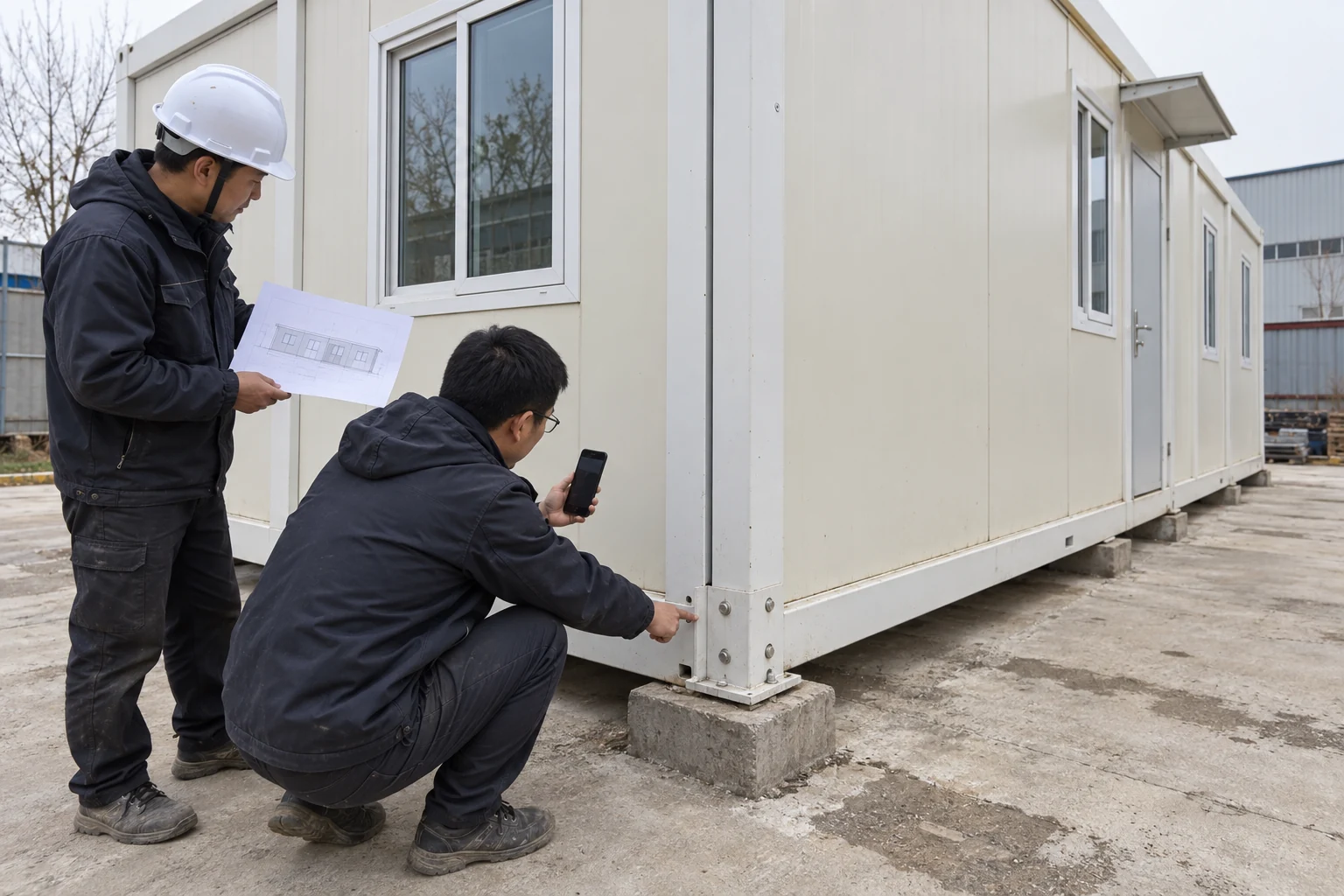
An anonymous close-up can show a scratch clearly while leaving everyone uncertain where it belongs. Start with the building identifier and the member or panel location. Keep an overview and a closer view connected in the same record.
Describe the location in terms another person can find: the external face of a lower corner post beside the entrance, for example. Add the unit reference, elevation and nearby opening or connection. Use the location system already established for the project rather than creating a competing naming scheme in the maintenance contractor's folder. Where several identical rooms stand together, check that the photographed room and the listed room are the same asset.
Record when the observation was made and what had happened immediately beforehand, without turning sequence into a diagnosis. A mark noticed after delivery might be relevant to a transport claim, but its discovery date alone does not prove when it occurred. Preserve the receiving photographs and report history. The detachable-house assembly and handover guide explains the earlier document package; for coating work, carry the component identity forward into the repair request.
Choose views that the inspector can repeat after the work. Keep the surrounding fastener, seam or opening visible, and record any observation that could not be completed. If a surface cannot be reached safely, mark it as uninspected. A blank space in the record should mean missing information, not an assumed satisfactory condition.
| Record field | Useful content | Decision it supports |
|---|---|---|
| Location | Unit, elevation, component and photograph references | Find the same surface for assessment and reinspection |
| Material identity | Order drawing or supplier confirmation; unresolved items labelled unknown | Select the appropriate specialist review |
| Existing finish | System reference, repair history and available product documents | Check compatibility with the proposed work |
| Observed boundary | Affected area and condition of adjacent finish | Define what the contractor is being asked to assess |
| Surrounding activity | Handling, runoff, contact or recent changes actually observed | Investigate recurrence rather than merely repainting |
Identify the surface beneath the colour
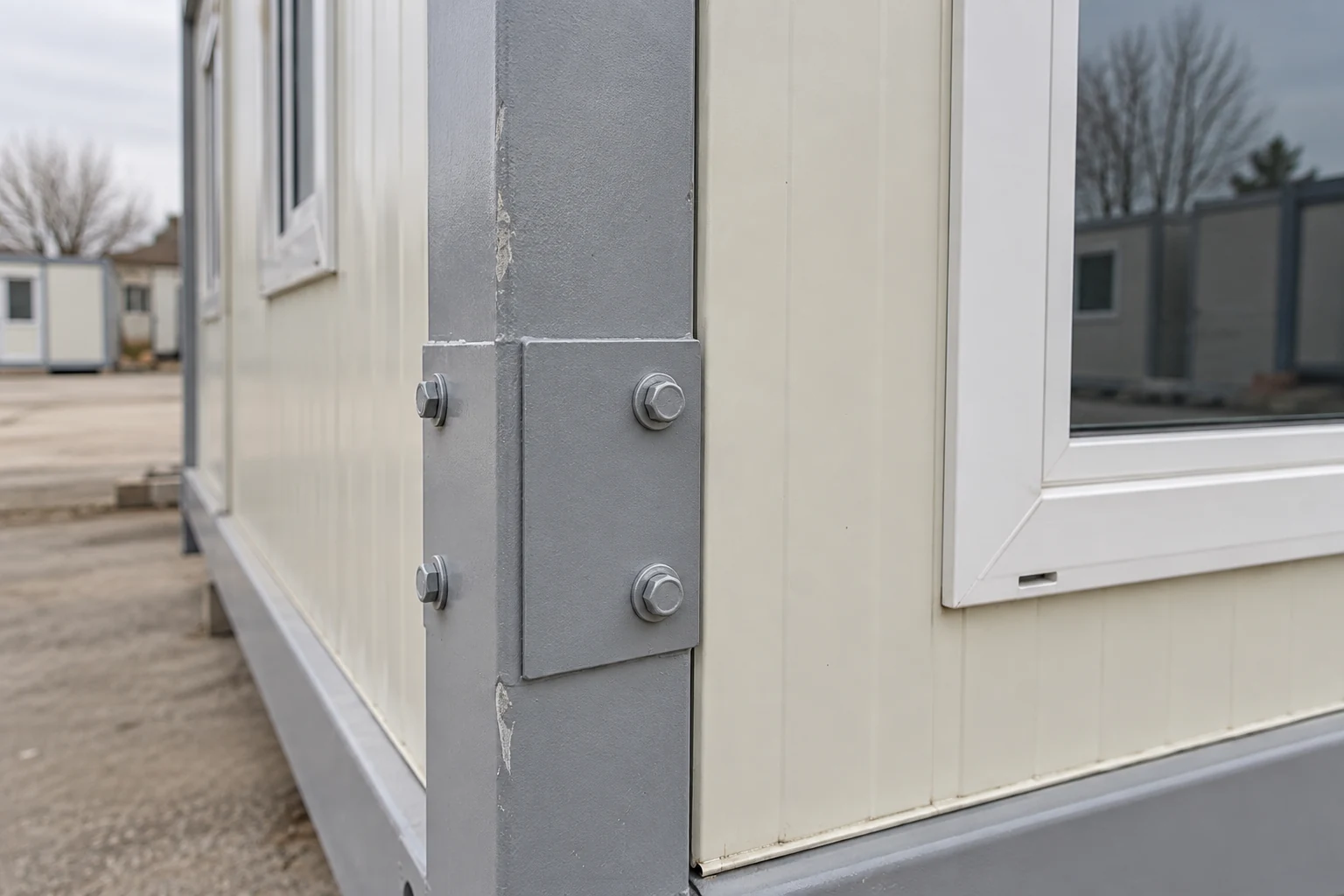
The frame, external panel face, trim and a later-added bracket may present similar colours while requiring different decisions. Identify the component from the supplied information. Do not infer its substrate or treatment from a pale metallic patch in a photograph.
Ask for the material and finish information attached to the selected order. Where the record gives only a commercial colour name, request the missing system description. Distinguish factory-applied finishes from later site repairs and local accessories. Record an uncertainty explicitly: the specialist can investigate an unknown surface, but cannot sensibly assess a substrate that the request incorrectly presents as confirmed.
Hempel's July 2026 hot-dip galvanised steel guideline distinguishes several types of zinc-coated steel and limits its detailed discussion to hot-dip galvanising. Its discussion shows why the word galvanised is not a complete coating specification. It does not establish that any particular PQSE member has that substrate or that advice for one zinc treatment transfers unchanged to another.
Keep the request open when documents conflict. If a drawing describes a painted member and a later maintenance invoice names a different preparation or primer, send both to the reviewer. Ask which information needs verification before the proposed work can be accepted. Do not silently remove the inconvenient document or let a colour code stand in for the missing technical answer. An accurate record can be concise while still admitting what remains unknown.
Record the boundary before it disappears
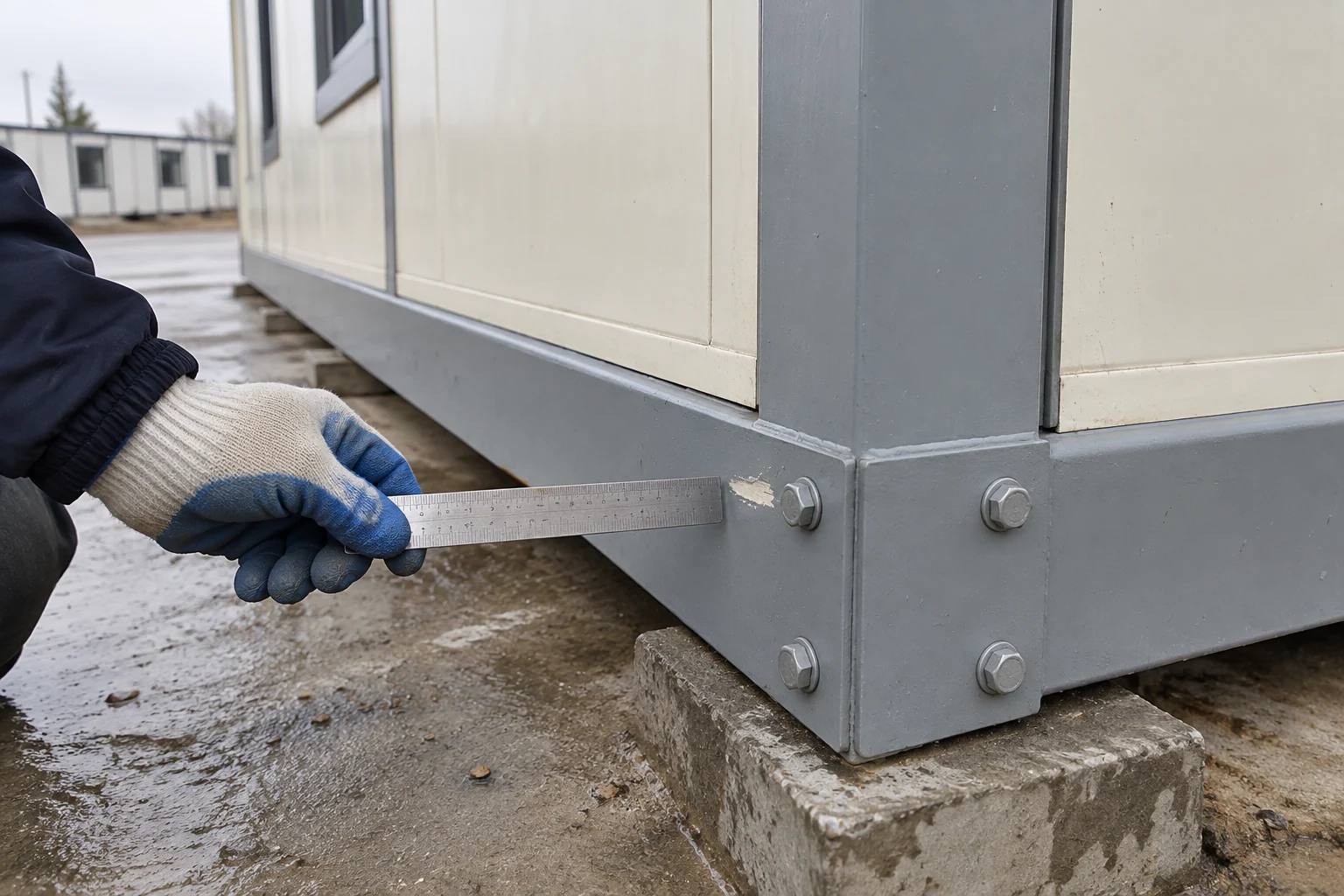
A repair request should describe what is visible now, including the neighbouring finish. Note whether the observation concerns a scrape, a deposit, a lifted edge, staining or an exposed area. Those are descriptions of appearance, not interchangeable diagnoses. Preserve them before anyone cleans, abrades or covers the surface, subject to any immediate safety or containment needs identified by the responsible team.
Hempel's spot-repair guideline treats local damage and the surrounding sound coating as parts of the repair area. Its guidance is general and must be supplemented by the actual product information and specification. For the buyer, that supports asking the specialist to define the transition into existing finish, rather than pricing only the visibly different spot.
Keep coating assessment separate from a question about the member itself. A changed hole shape, unusual movement or deformation needs referral to the appropriate building professional. Painting is not evidence that a connection or structural member has been restored. Identify which observations remain outside the coating contractor's scope and who owns them, especially when the same work order contains both appearance concerns and functional defects.
If the building will be dismantled, share the condition record with the relocation team before components lose their installed positions. The dismantling and reuse planning guide covers the broader asset decision. This coating record contributes identified evidence to that review; it does not independently approve a component for another installation.
Describe where exposure and contact recur
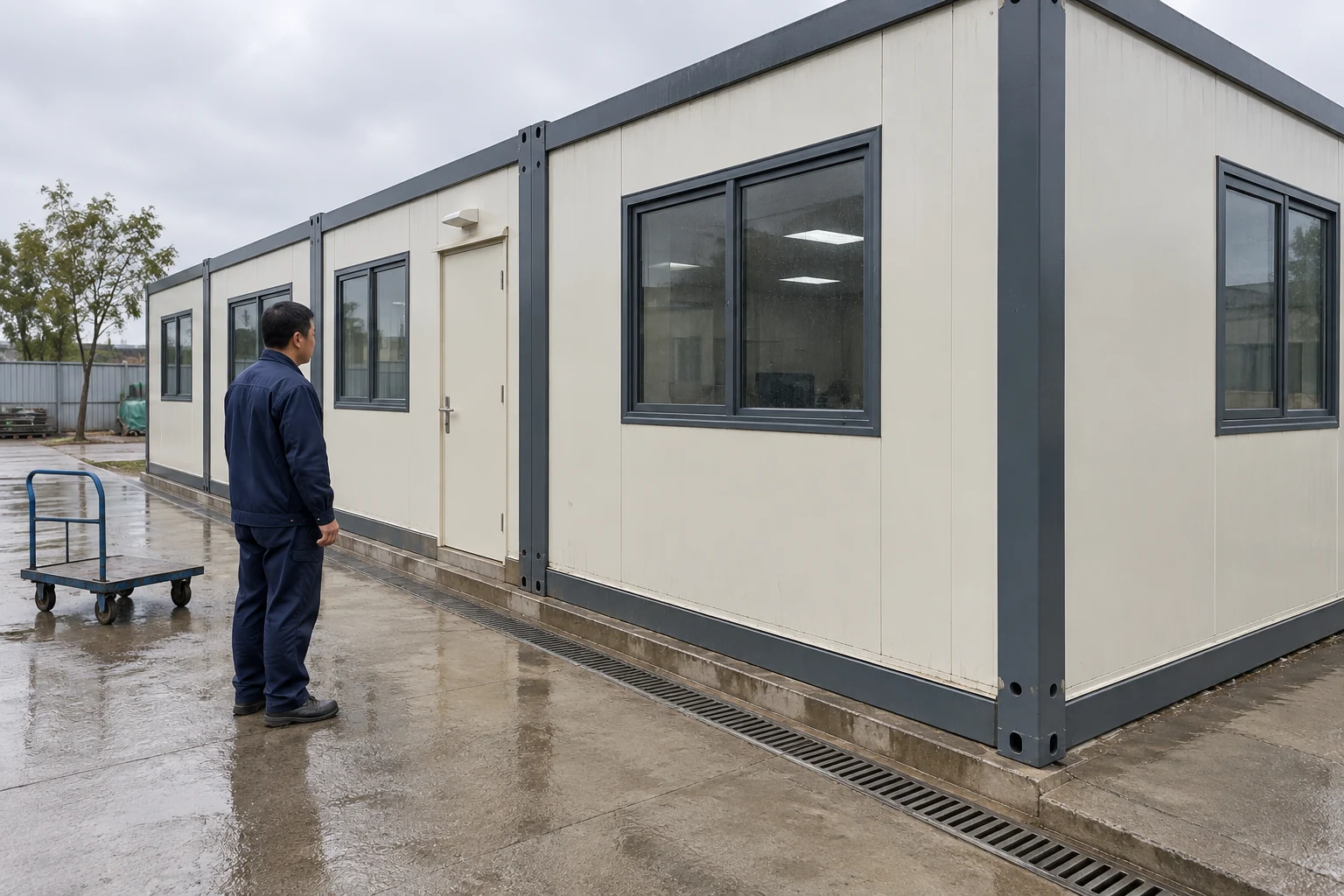
An area that is repeatedly scraped by handling equipment presents a different planning question from a sheltered face with an isolated mark. Describe the activity and water paths around the location. Keep observations separate from an unsupported explanation of their cause.
Ask the operator what changed near the surface: a delivery route, stored items against the wall, a new pipe, an accessory or a cleaning practice. Confirm the answer with a site view where possible. Record the known timing and identify any uncertainty. A statement that equipment passes nearby is useful context; it is not proof that that equipment caused the damage.
For an occupied construction site office, include the vehicles and pedestrian activity beside the affected elevation. The repair reviewer needs to know whether access or protection will interrupt the office's normal use. A specification that can be performed only after the doorway is closed may alter the work programme even when the repair area itself is small.
Do not assign a corrosion category, predicted life or repair interval from a description such as coastal, humid or mining. Give the responsible specialist the actual exposure information and ask for the assessment basis. In a mining accommodation project, describe the particular washing, dust or site activity relevant to the building rather than assuming every mine creates the same surface conditions. Record any proposed change that would prevent repeated contact alongside the paint work, with separate responsibility for carrying it out.
Pin the repair proposal to a named product variant

The proposal should identify the selected coating products, component variants and document editions. A family name on a quotation can leave an important difference unresolved. Ask for the written recommendation for the identified existing surface and proposed use.
A narrow manufacturer example makes this point concrete. The US Jotamastic 90 Technical Data Sheet, issued 11 August 2026, reports different pot lives for Standard and Winter grades at the same paint temperature. These are data for that external product, not a PQSE repair recommendation. They show why recording the exact variant matters; they are not instructions for selecting or applying a coating here.
Keep the approved product identification with the applicable technical sheet, application guidance and safety documentation. Ask who reviews a proposed substitution and what information that reviewer needs. An unavailable original product does not make a differently named replacement automatically equivalent. A contractor should state the proposed change before using it so that the record describes an accepted decision rather than a surprise at completion.
Separate the supplier's written suitability advice from the buyer's commercial choice. The buyer can compare price, availability and the proposed work window, while the responsible specialist determines compatibility and conditions for the specific surface. Save the accepted recommendation and its scope. That allows the operator to distinguish a named approved material from a can that happens to be the right colour when a later repair is needed.
| Product and grade | Paint temperature in the US sheet | Reported pot life | Scope |
|---|---|---|---|
| Jotamastic 90, Standard Grade | 73 °F | 2 h | Manufacturer data; no PQSE product or application recommendation |
| Jotamastic 90, Winter Grade | 73 °F | 45 min | Same external sheet and condition; different grade |
Ask what the preparation release will demonstrate
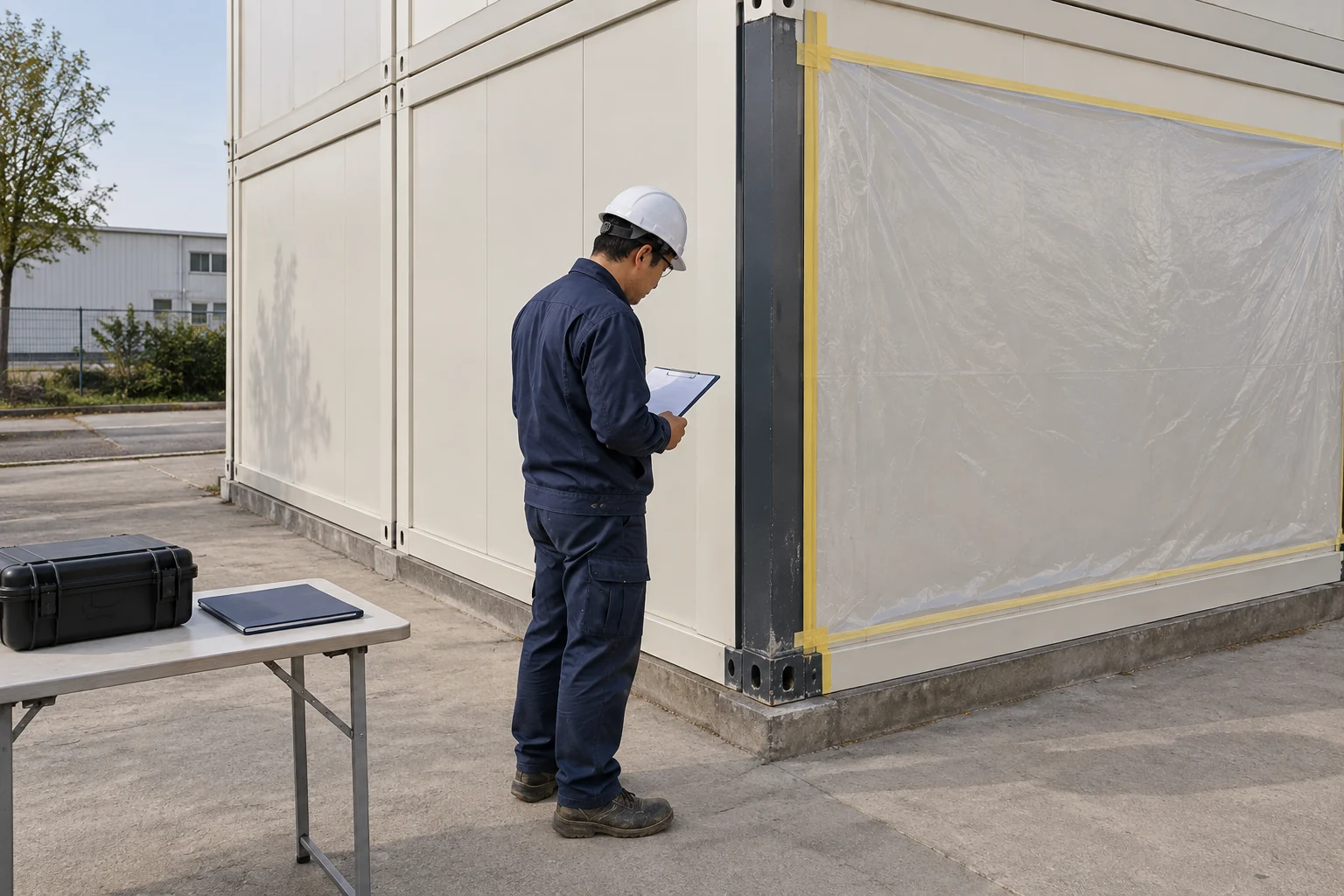
Specify the evidence expected before paint is applied. The contractor's method proposal should explain how the identified surface will be assessed and prepared, which documents govern the work and who accepts the prepared area. The buyer needs this decision point in the scope even if the technical method remains the coating specialist's responsibility.
Hempel's surface-preparation repair guideline distinguishes cleanliness from surface roughness. It also addresses the condition of retained paint. Those distinctions matter when someone offers only to make the area look clean: appearance is not a complete description of preparation suitability. The selected repair specification must establish what the contractor needs to demonstrate for that surface.
Agree how the decision will be recorded without forcing the buyer to prescribe an unsuitable generic method. Name the location, governing requirement, relevant observation or measurement, reviewer and release status. Where a requirement has not yet been established, keep the field unresolved and obtain clarification. Do not create an invented numerical acceptance threshold simply because the inspection form contains a space for one.
The useful commercial question is what happens if the prepared area is not accepted. Ask whether further work is included, who approves a changed scope and how the schedule is revised. A quoted finish date should leave room for the agreed assessment; it should not pressure the inspector to sign before the required evidence exists. Retain the release record with the later application and completion records.
Record conditions at the repair location
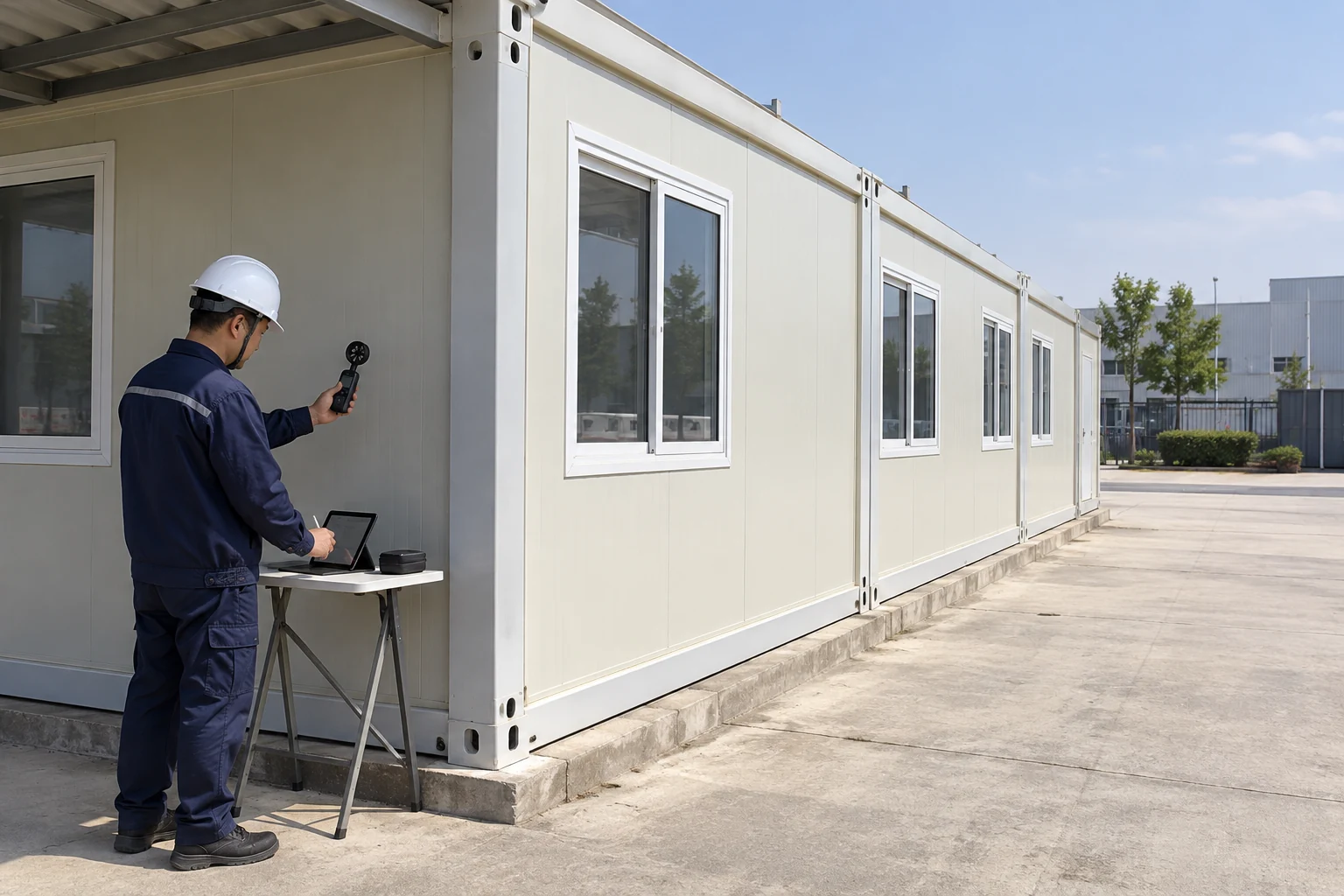
A weather forecast describes the wider weather, not the condition of a particular steel surface. Ask the specialist which local readings and checks the selected specification requires, when they are recorded and what causes work to pause or be reassessed.
Hempel's inspection-prior-to-painting guideline includes contamination and the local microclimate in its assessment. It identifies ambient and surface temperatures, dew point and relative humidity as relevant conditions. It also notes that acceptance limits for soluble salts belong in the applicable specification rather than being supplied by the measurement standards alone. These are reasons to retain both requirements and location-linked results.
Ask the contractor to relate its record to the actual area, instrument and time. If the work moves from a sunny elevation to a shaded one, or the surroundings change during the job, the record should explain how the applicable checks continue. A single general statement that conditions were satisfactory does not tell the next reviewer where or when that judgment was made.
Decide who can postpone the activity and how the operator is notified. This is a programme and responsibility question, not a reason for the buyer to override a product condition. Record what has been accepted, what remains restricted and any revised inspection arrangement. If the project wants a guaranteed completion slot despite uncertain conditions, ask the contractor to explain the assumptions instead of treating the requested date as technical approval.
Make the material store part of the record

A correctly named material still needs an identifiable batch and appropriate storage history. Ask who receives it, where it is kept, which instructions apply and how the contractor decides whether a damaged or uncertain container can be used.
Hempel's December 2025 paint-storage guideline explains that paint can age inside its container and that temperature, container condition and product instructions matter. It distinguishes waterborne from solvent-borne products when discussing cold exposure. This does not provide a universal storage allowance for every proposed repair material. Retain the instructions for the actual products and refer uncertainty to the responsible supplier.
Record receipt date, product reference, batch identification and the intended storage location. Keep the relevant label information readable in the file rather than relying on memory after the can is discarded. If the contractor brings material from another project, ask for the same identification and suitability evidence. A small repair does not make undocumented leftover material easier to assess.
Discuss the handover stock separately. In a worker accommodation camp, the operator may want spare material for later maintenance, but the delivery of a sealed tin is not a complete care plan. Establish who stores it, which information stays with it and who determines whether it remains suitable when needed. Avoid assuming that stocking more material is always better than retaining a reliable product record and an available supply route.
Price access and interruption as well as paint
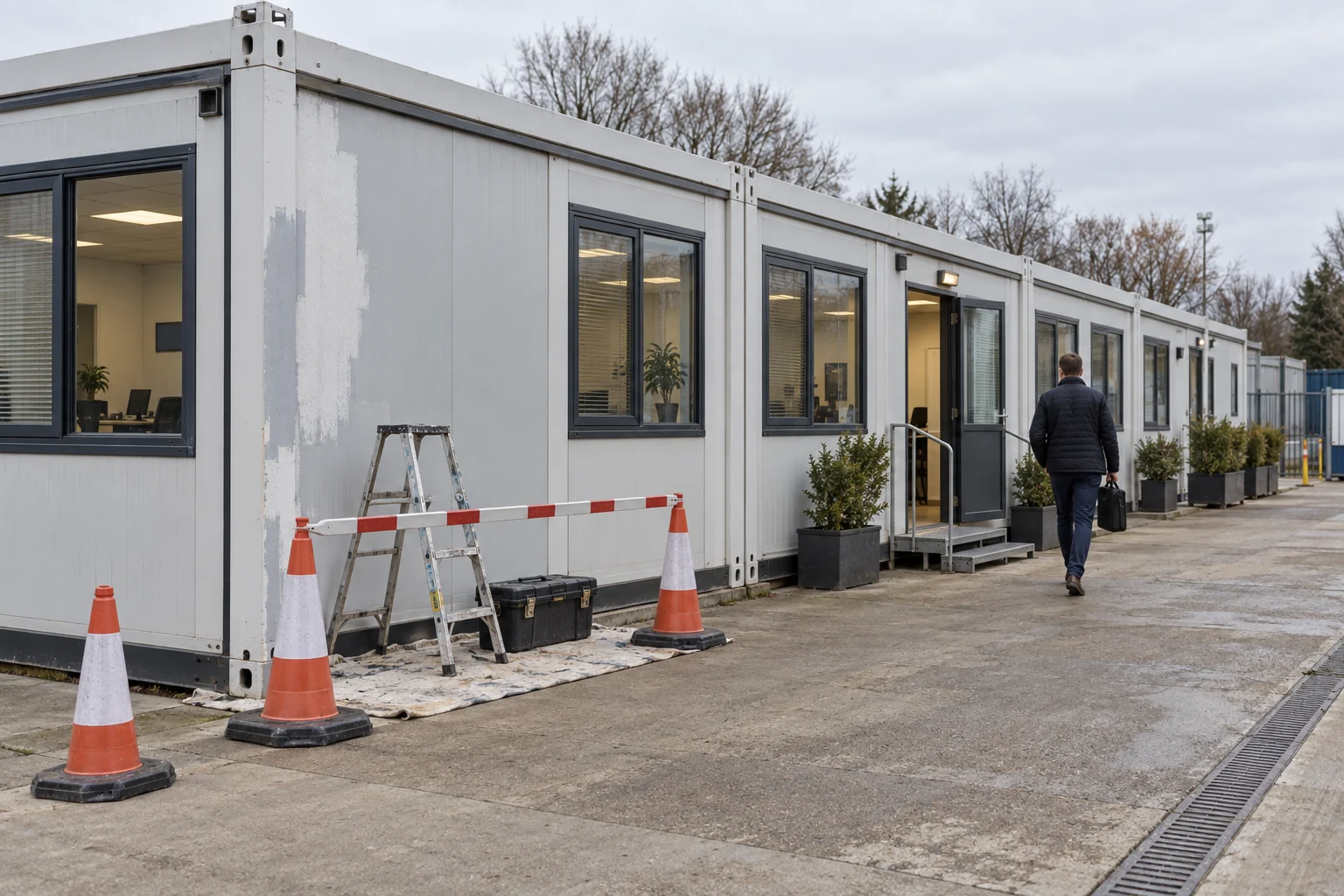
Two proposals can name the same coating yet cover different work. Compare the identified repair area, access arrangements, protection of adjoining finishes, preparation, application, inspections, return-to-use conditions and records. Ask each contractor to state exclusions and assumptions. Without that shared scope, the lower paint price may simply leave more work with the building operator.
Describe whether the building remains occupied and which entrances, services or nearby activities may be affected. Agree the work-zone boundaries and the alternative arrangements required by the site. Do not infer safe access from the photograph used for a quotation. Work above ground level or near operating equipment needs its own competent planning; the coating proposal should identify who provides it and who accepts it.
Set a clear route for changes discovered during assessment. The contractor may find that a larger area needs review or that the existing system is not what the documents suggested. Agree how that finding is photographed, how a revised proposal is authorized and what work stays on hold. Keep approved additions separate from the original scope so the final invoice and record remain understandable.
Retain the asset's broader history alongside this job. The building lifespan and maintenance guide covers ongoing inspection and record organization. This work order should add a specific coating decision and outcome to that history, rather than replace the whole maintenance plan with a repainting date.
| Scope item | Question to resolve | Completion evidence |
|---|---|---|
| Assessment | Who identifies the existing surface and approves the repair basis? | Location-linked assessment and accepted recommendation |
| Access and protection | Who provides access and manages the occupied-site interface? | Agreed arrangements and any release restrictions |
| Preparation and coating | What accepted specification governs the work and substitutions? | Applicable document revisions and work records |
| Inspection | Which checks, locations and acceptance requirements are included? | Recorded findings, results and dispositions |
| Operator handover | Who receives the updated material record and remaining actions? | Accepted job file and owned follow-up items |
Agree the acceptance evidence before work starts

Ask what will establish completion before the surface is repainted. Define the applicable checks, locations, acceptance basis and responsible reviewer. Keep the finished appearance and the documented protective-system assessment distinct so one is not mistaken for the other.
Hempel's January 2024 testing-after-painting guideline notes that certain tests can damage coatings and require a specified repair response. It also warns that a satisfactory later test does not cancel deficiencies in preparation or application. Its discussion of local test results does not justify declaring every untested area equivalent. Ask the specialist what checks are appropriate for the actual system instead of requesting every available test.
The agreed record should make the inspector's conclusion understandable. Link it to the work location, specification revision and relevant result. Where a check identifies a defect, document its disposition and the subsequent verification. Where a part of the area remains inaccessible or was excluded, keep that limitation visible. The contractor's invoice can confirm a commercial transaction without answering any of those technical questions.
Review the photographic evidence with the same discipline. An attractive close-up after painting may help demonstrate appearance at that spot, but it cannot reveal the preparation history or identify a product used underneath. Keep the before view, applicable work records and acceptance decision together. Ask for the missing item rather than relying on a smooth surface to fill the evidentiary gap.
Close the record without hiding the next check

The operator should receive a usable record of the accepted work and any remaining action. Identify what changed, where it changed, who accepted it and what happens next. A completed repair can still have an agreed follow-up that needs an owner.
Update the component's finish and repair history so a later contractor does not assume it still carries only the original coating. Retain the accepted material references, relevant batch information, specification, work dates and acceptance evidence. Keep rejected proposals in the archive clearly distinguished from the chosen work; otherwise an old quotation can become an accidental instruction years later.
Give every outstanding observation a decision owner and a defined next step. If the agreed plan requires a later review, record its timing basis and who arranges it. Do not invent a standard inspection interval for all repairs. If the visible mark recurs, compare its location and surrounding activity with the earlier record before ordering the same treatment again.
For a new purchase, request this information pathway before ordering: what material and finish records accompany the building, how maintenance questions are reviewed and how approved changes reach the operator. For an existing building, send the asset identification, dated photographs, current documents and the repair question you need answered. A small, well-identified evidence package supports a more useful discussion than a request for paint matching an unlabelled picture.
Buyer questions
Is colour-matched touch-up paint enough to specify a repair?
No. Colour is one item in the proposal. The responsible specialist also needs the component and surface identity, existing finish, observed condition and applicable use. Ask for the repair basis and the completion evidence in writing. Where those inputs are missing, resolve them before treating a named paint as an accepted solution.
Should a small coating scratch delay the whole building?
The observation alone does not answer that question. Have the responsible team assess its location, significance and required response, and separate it from any connection, structural or operational concern. Record which activity is affected and who can release it. Do not use either the small size or a fresh finish as a substitute for that decision.
Can one accepted repair method be repeated across the camp?
Only after the relevant reviewer confirms its scope covers the other locations. Compare component identity, existing finish, condition, access and exposure before assuming equivalence. Keep each location traceable even when the accepted method is shared. A common product name or room size alone does not establish identical repair conditions.
What should accompany a coating-repair quotation request?
Provide the unit and component reference, overview and close photographs, observation date, existing material and finish documents, earlier repair records and relevant site activity. State whether the building remains occupied and identify access limitations. Ask the respondent to list its assumptions, excluded work, technical review responsibilities and acceptance deliverables so the proposals can be compared fairly.
Sources and scope
- Hempel, Spot repair, May 2020. General local-repair guidance; the selected product and project specification remain necessary.
- Hempel, Surface preparation: Maintenance and repair, May 2020. Professional guidance on preparation concepts; no universal method is prescribed here.
- Hempel, Hot dip galvanised steel, July 2026. A substrate-specific discussion, not identification of an actual PQSE order.
- Jotun, Jotamastic 90 US Technical Data Sheet, 11 August 2026. Page 5 grade-specific data, used only as an external recordkeeping example.
- Hempel, Inspection prior to painting, November 2023. Inspection context and specification ownership; project limits must be established separately.
- Hempel, Storage of Paint, December 2025. Product-storage considerations; consult the selected materials' instructions.
- Hempel, Testing after painting, 25 January 2024. Test applicability and limitations; no test procedure or generic pass value is specified.
This guide combines external manufacturer evidence with a procurement record framework. It does not claim that PQSE uses the example coating or that a pictured repair has been tested. Technical suitability, local obligations and permission to return the affected area to use must be established for the actual building and work.