
The Malaysia office brief
An offshore operator in Malaysia needed a compact administrative work point near maintenance activity. PQSE House was responsible for the modular-building work. The brief connected two needs: a place for documents and communications away from equipment movements, and a building package suited to its transport route and intended exposure.
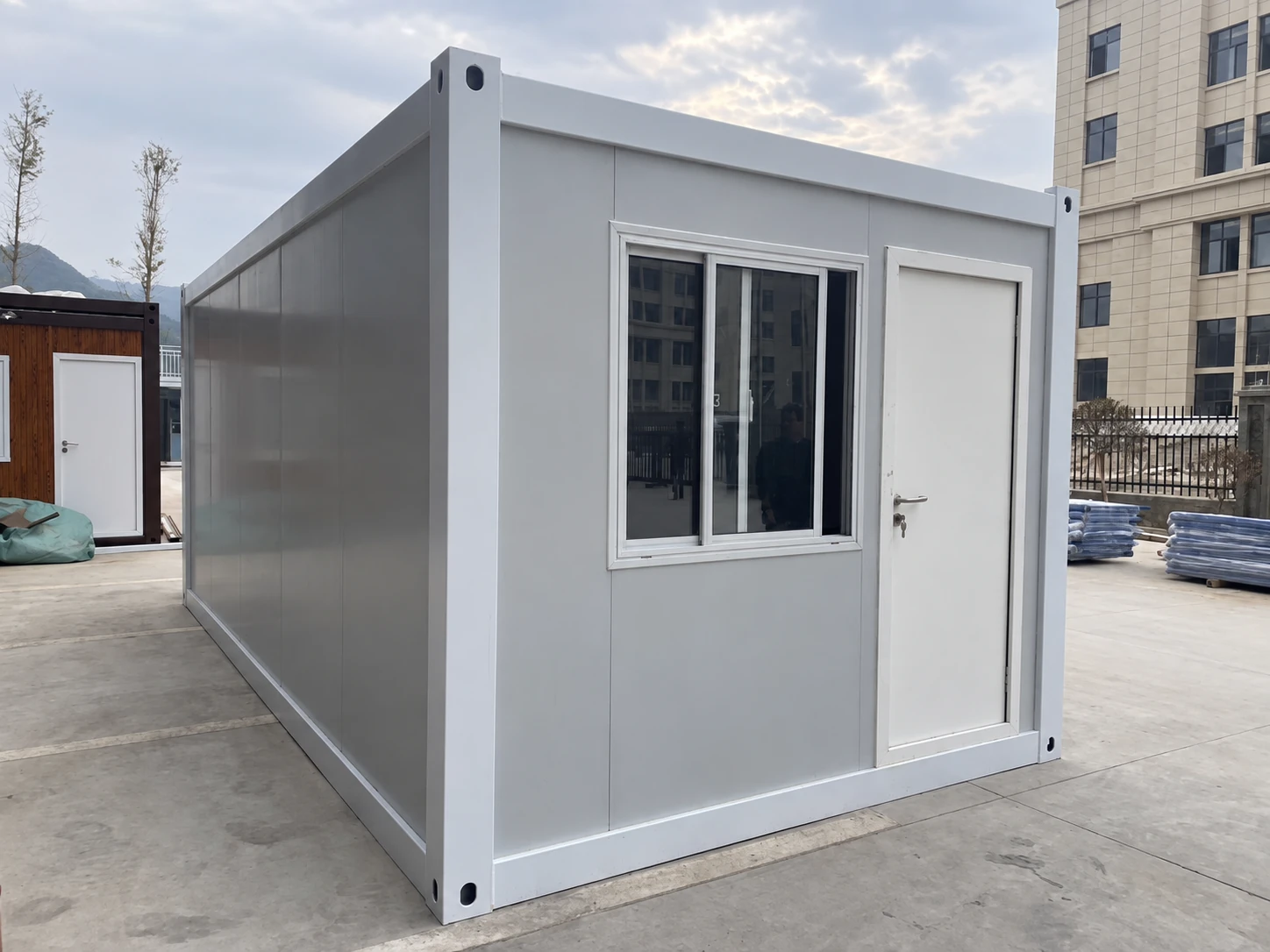
The starting point is a container office layout built around the people and equipment using the room. For this application, the operating location also matters. The available record does not establish whether the office was intended for a shore base, a vessel or an offshore installation, nor does it establish certification or a completed operating result. The photographs below are office-planning references, not verified photographs of the Malaysia installation.
Put the desk work beside the activity, outside its route
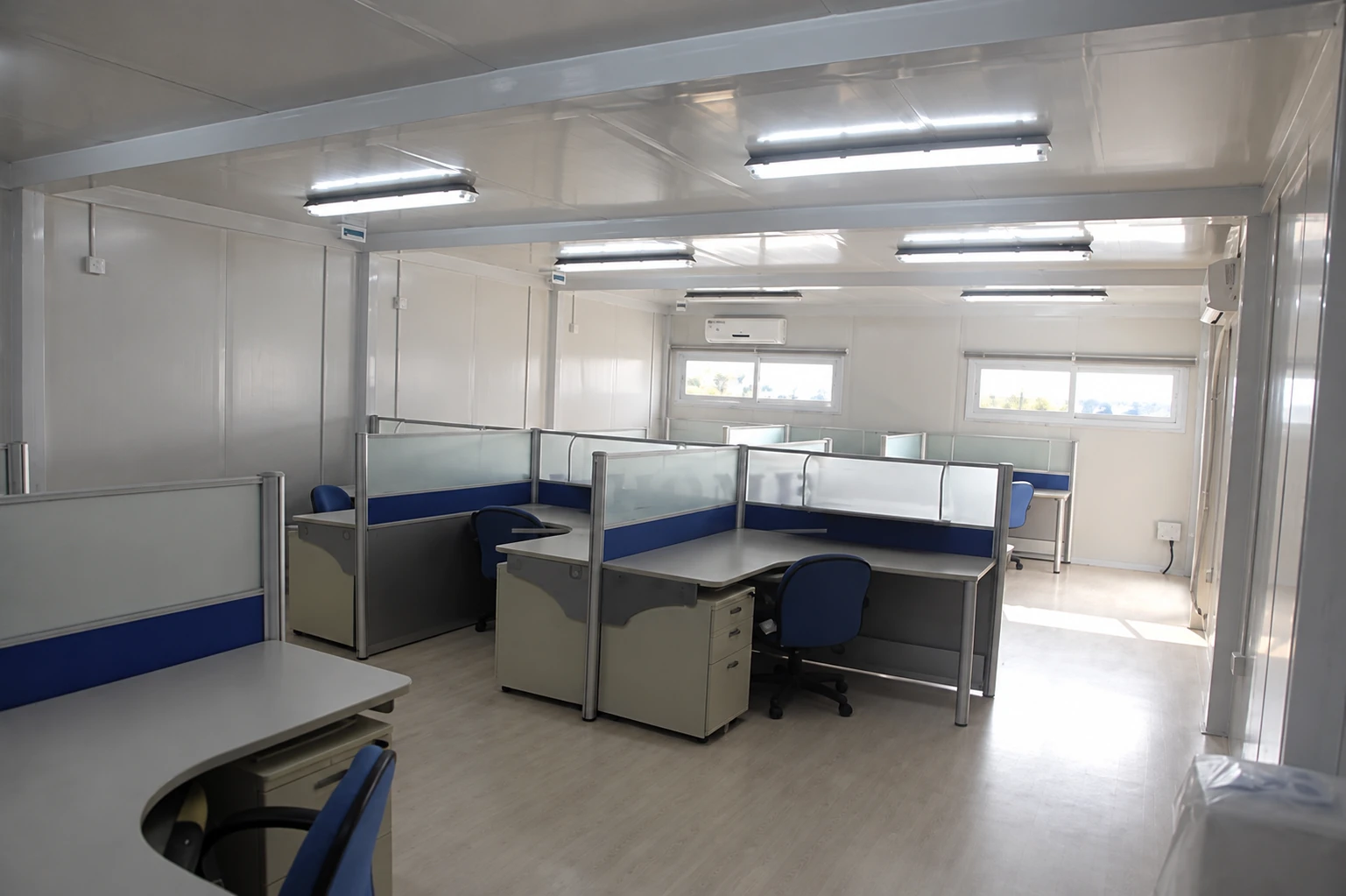
Begin with the work that must happen inside: recording maintenance information, reviewing documents and making calls. Place desks, file storage and communications equipment together, then leave a clear path from the entrance to the working positions. A compact room becomes less useful when visitors must pass through a workstation to reach the person they need.
Show the office entrance on the same sketch as equipment movements and material receiving. A window can provide a view of nearby activity, but the doorway should not depend on a loading position remaining empty. If the building serves an onshore support base, the site-office arrangements provide a useful starting point for combining desk space, meetings and staff facilities. They do not establish suitability for a vessel or platform.
Define the location before comparing the package
“For an offshore operator” describes the buyer, not the building’s installed conditions. A land-based administration cabin and a module operated offshore need different reviews. State where the office will work, how it reaches that position and which operator requirements apply before comparing suppliers’ offers.
DNV’s container certification overview treats safe offshore transport and lifting separately from safe operation on a particular installation. Its public description of DNV-ST-E272 equipment assemblies also covers design, safety systems, manufacture, testing, installation and operation. These sources explain why a transport description alone cannot settle the complete operating specification; they are not evidence of approval for this PQSE brief.
| Decision | Describe in the brief | Effect on the offer |
|---|---|---|
| Working location | Shore base, vessel or offshore installation; intended position and operating use. | Establishes which project-specific acceptance requirements must be addressed. |
| Room arrangement | Desks, file storage, calls, visitors and the entrance beside maintenance activity. | Defines the useful room layout and separation required. |
| Delivery format | Packed components or an assembled unit, route restrictions and planned handling. | Separates transport preparation from assembly and installation work. |
| Exposure and services | Marine exposure where relevant, power, data, cooling and equipment locations. | Identifies the enclosure, service interfaces and documentation to agree. |
Choose the room package and delivery format together
For a suitable land-based application, compare the proposed flat-pack building package with the detachable building system by the work included before dispatch and the assembly left at the destination. Ask for packing dimensions, component identification and the installation scope for the actual configuration. Neither product name establishes an offshore lifting arrangement or operating approval.
The room schedule should also locate lighting, sockets, data points and cooling equipment around the desks. Describe any private-call or document-storage requirement before adding partitions. A desk screen shown in a reference photograph does not demonstrate acoustic isolation, and an air conditioner in the picture does not establish the cooling capacity needed for this order.
Questions before ordering
Does a portable office label mean it is approved for offshore use?
No. The proposed unit needs to be assessed against its actual destination, handling and installed use. This project record does not establish DNV certification, a hazardous-area rating or an approved fire specification. Identify the required acceptance documents with the operator and responsible specialists before treating a proposed office as suitable.
Should a washroom be part of the office order?
Only if the room and site brief calls for it. An office using nearby shared facilities has a different space and connection requirement from one supplied with a separate bathroom unit. Include the intended users, access and available water and wastewater connections when comparing those options; sanitary facilities are not assumed to be part of this case.
Sources
- DNV: Verification and certification of containers and transport units — public overview of transport, lifting and installed-operation considerations.
- DNV-ST-E272: Equipment assemblies, edition 2024-08 — public scope description; the subscription standard and project-specific approval have not been reviewed here.
Discuss the office and its intended location together.
Send PQSE House the operating location, room sketch, equipment list and delivery route so we can discuss the proposed building package and its supply boundaries.