Illustrative carrier estimates from Priority Auto Transport for transporting a tiny house are $1,500 to $4,500 or more for short-to-medium regional hauls and $6,000 to $10,000 or more for cross-country or oversized moves. Those figures represent one specialist carrier’s planning estimates rather than a guaranteed rate or market-wide average, and they do not automatically cover route permits, site loading equipment, pad placement, or utility hookups. To budget from factory or current lot to a usable unit on site, gather itemized written quotes against an identical scope from pickup through final placement.
Lock Unit Specs and Transport Method Before Requesting Bids
Haulers cannot give comparable numbers if one estimates from rough floor-plan dimensions and another prices a fully outfitted travel weight. Send every carrier the same project brief containing the ready-to-travel length, width, and height (including eaves, HVAC projections, or hitch assemblies), estimated travel weight, chassis documentation, both street addresses, target move window, and photos of entrance clearances and turning space at origin and destination.
If the unit includes exterior decks, stairs, awnings, or a removable tongue, state explicitly which components stay attached during transit and which travel separately. Apply the same loaded-weight assumptions across every request, and flag any weights or measurements that remain unverified so bidders price identical physical realities rather than guessing differently.
Tow-Away vs. Deck-Haul: Choosing the Right Movement Method
Ask each carrier to state its proposed transport method in writing, because the choice directly changes both chassis stress and site-equipment requirements:
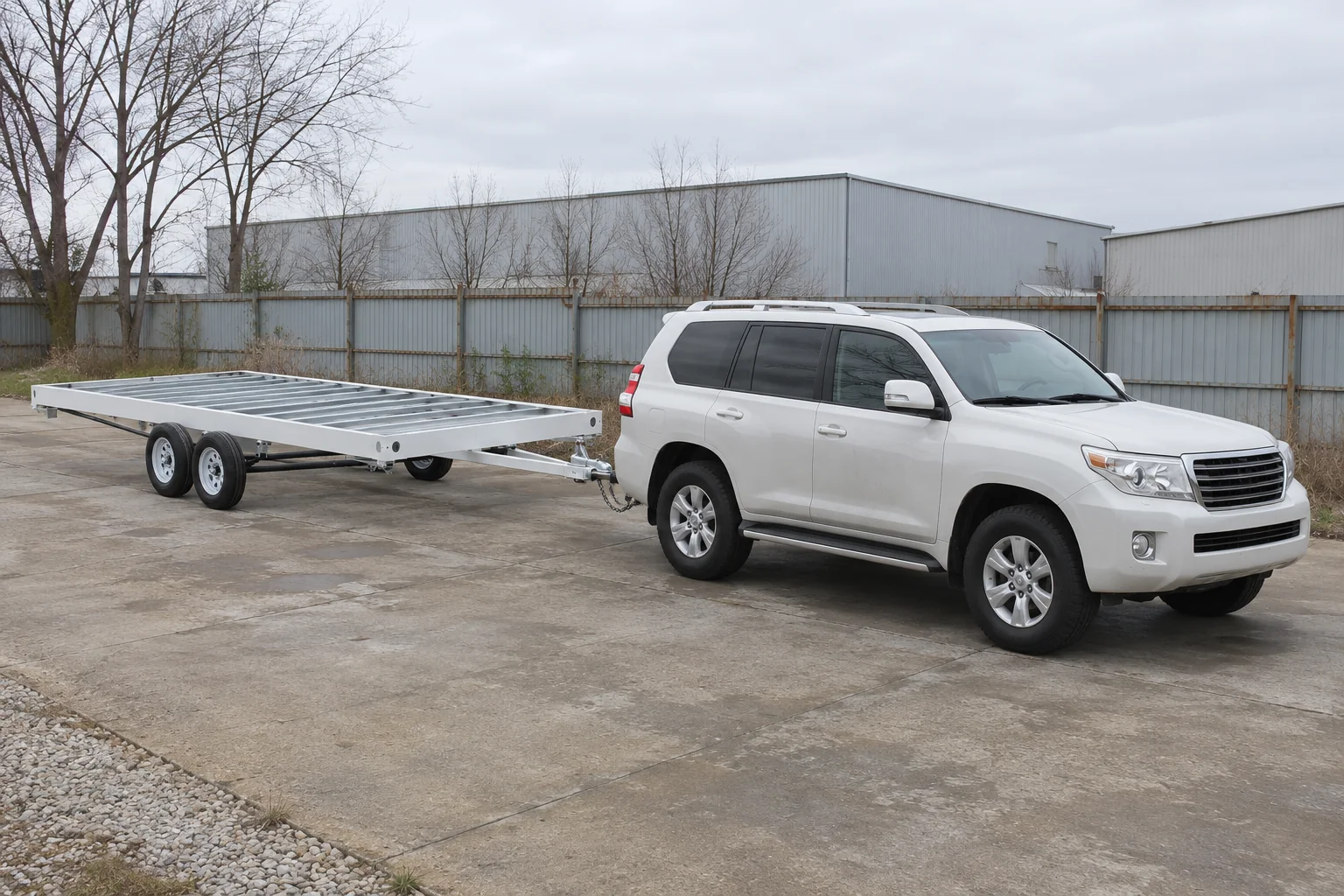
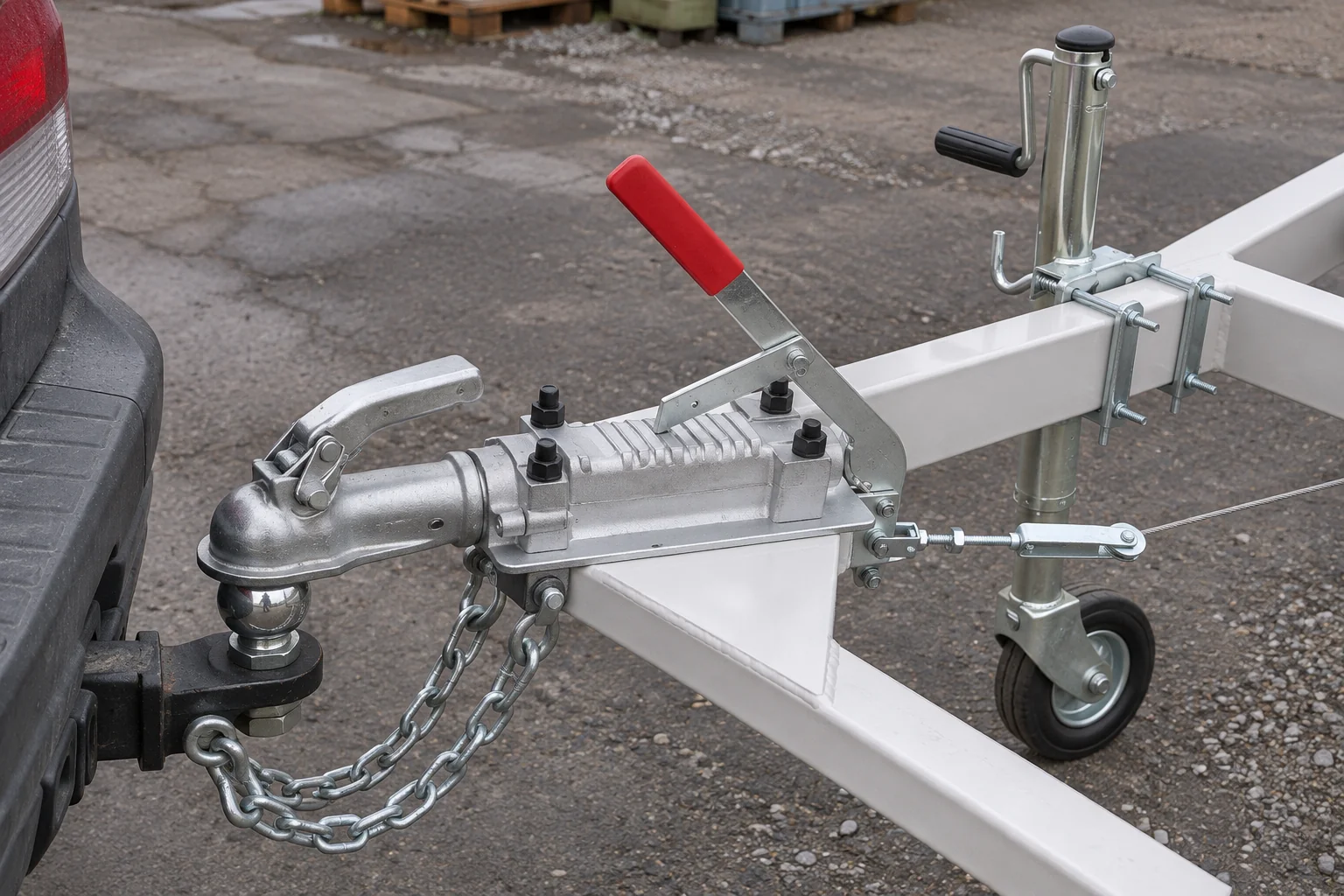
- Tow-away haul: The carrier pulls the unit on its own axles and hitch. This eliminates crane or heavy-trailer loading charges, but it depends on the carrier confirming roadworthy running gear, compatible hitch connections, lighting, and route-specific compliance for the itinerary. Never assume a wheeled cabin is tow-ready from appearance alone.
- Deck-haul (flatbed or lowboy trailer): The building rides on the carrier’s trailer instead of its own tires and bearings. This avoids highway wear on the cabin chassis and works when a unit is not cleared for direct towing, though the quote must specify how the structure is lifted or winched onto the trailer at pickup and offloaded at delivery.
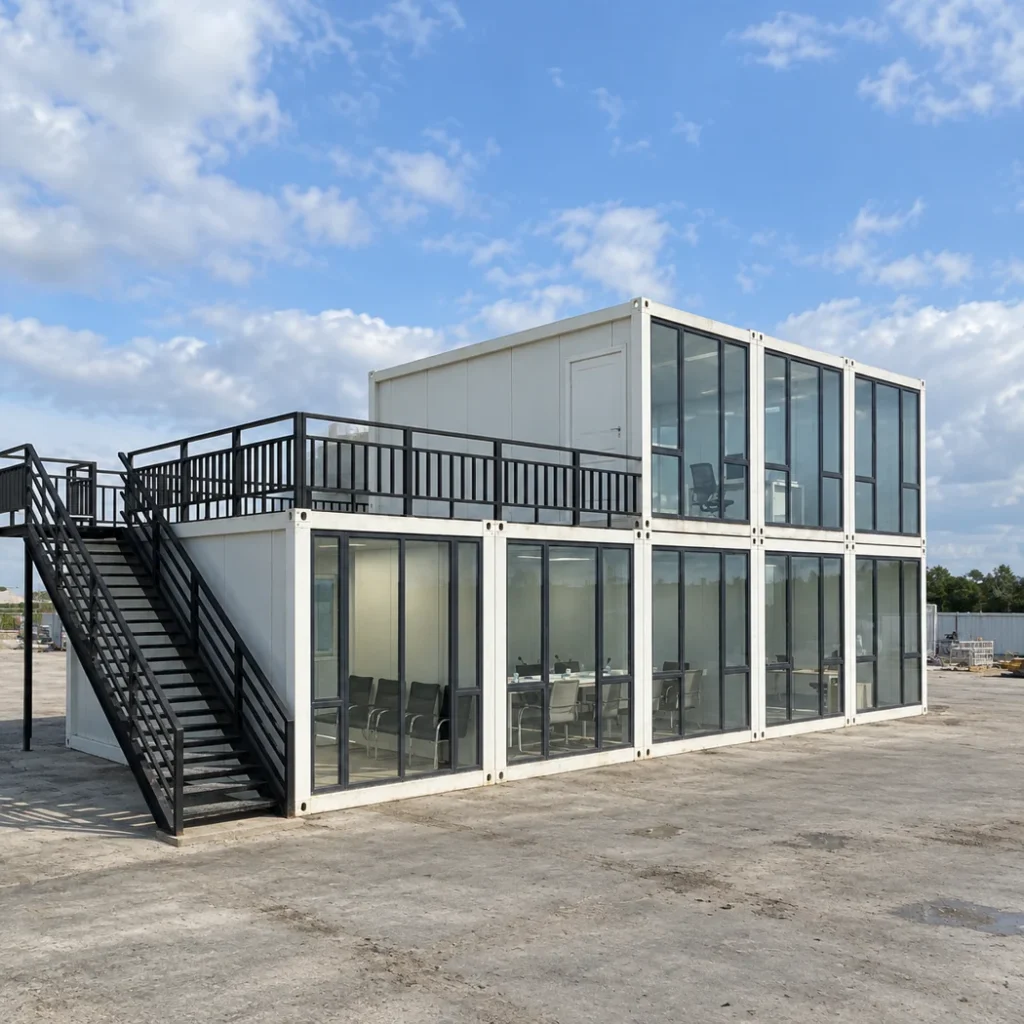
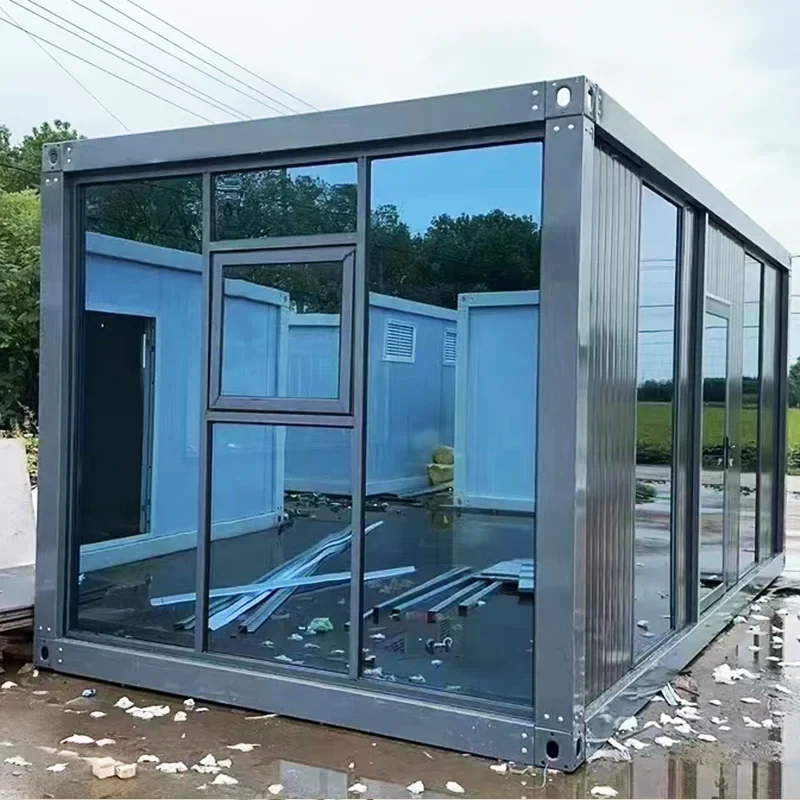
If you are procuring a container house on wheels with future relocations in mind, confirm during specification which chassis drawings, axle ratings, and registration or compliance paperwork ship with that exact build, and check them against the documents and conditions a carrier will need for towing.
Break Down the Full Quote From Pickup to Final Placement
A headline transport figure often prices only the miles between highway exits while leaving loading, route administration, and pad positioning outside the contract. Before selecting a carrier, require every bidder to mark each line item below as included, separately priced, provisional, or excluded from scope.
| Quote Component | What to Confirm in Writing | Budget Risk if Left Unspecified |
|---|---|---|
| Linehaul & Mileage | Total flat fee or per-mile rate, minimum trip charge, whether deadhead (repositioning) miles to pickup are billed, and quote validity dates. | Per-mile estimates understate total haul charges once minimums and empty return or approach miles are billed. |
| Route Permits & Escorts | Who surveys the corridor, secures oversized permits, or books pilot/escort vehicles; which fees are included; and what triggers a price revision. | Oversized dimensions or route detours can add unbudgeted permit fees or force a change order mid-schedule. |
| Collection & Unloading | Who provides lifting gear, winches, or ground crew at both ends; assumed ground firmness and slope; and hourly standby or aborted-visit fees. | Soft ground, overhead wires, or missing equipment on move day can trigger standby billing or a failed delivery fee. |
| Set-Down & Site Prep | Whether delivery ends at an accessible staging area or includes spotting on blocks/pad; list leveling, clearing, or ground support separately. | You may end up paying for a second local rigging crew or crane after the long-haul truck drops the unit at the curb. |
| Utility Disconnect & Reconnect | Who shuts off, caps, and later reconnects electrical, water, and wastewater lines, and whether licensed trades must be contracted separately. | Transport crews rarely touch building utilities; unscheduled trade visits delay move-in or handover. |
Where a building has removable skirting or a site-built enclosure, specify in writing what must be dismantled prior to pickup and which crew handles removal and reinstallation. Work through a utility planning checklist early so disconnection before pickup and reconnection after placement are scheduled with the right local trades instead of delaying the carrier on site.
How a Lower Linehaul Bid Can Cost More at Placement
Comparing a haul-only quote against an all-in placement quote without normalizing scope is the most common way project budgets overrun. Bundling set-down with the carrier creates single-point accountability at handover, whereas splitting linehaul and local rigging only pays off when your on-site contractor already has suitable equipment mobilized and costs less than the carrier’s markup.
Consider the following hypothetical comparison for moving the same unit along the same route (illustrative figures only, not market rates or customer orders):
| Cost Line | Bid A (Haul-Only + Local Crew) | Bid B (Haul + Stipulated Set-Down) |
|---|---|---|
| Linehaul transport | $3,600 (carrier quote) | $4,250 (carrier quote) |
| Final pad set-down | $900 (separate local crew quote) | $0 (included in carrier scope) |
| Combined total for transport & set-down | $4,500 | $4,250 ($250 lower) |
| Permits, waiting time & utility hookups | Open until confirmed in writing | Open until confirmed in writing |
Even though Bid A looks $650 cheaper at first glance, adding the $900 local placement crew brings it to $4,500—making Bid B $250 less expensive for the identical delivered outcome. Whichever structure you prefer, keep unpriced items such as permits, standby time, and utility trades flagged as open budget lines until every bidder puts firm terms in writing.
Frequently Asked Questions
Can I estimate the move from a per-mile rate?
Treat a per-mile rate as a rough check for the rolling transport line only, never as a project budget. Confirm in writing which miles are billable—specifically whether empty travel to your pickup address counts—and whether a minimum flat fee overrides the mileage math on shorter hauls. Add separate written estimates for route requirements, loading, and pad placement before comparing carriers.
Does delivery include putting the tiny house in its final position?
Do not assume it does. Many carriers price standard delivery only to an accessible, level staging spot near the road rather than backing into tight lots or positioning onto piers and pads. Request the exact handover point in writing, send access photos of gates, grades, and turning radii ahead of quoting, and have the bidder name the crew and equipment responsible for final spotting.
Put Future Moves Into the Initial Purchase Brief
If your project calls for a relocatable room, site office, or cabin that will change locations over its service life, treat transportability as a design requirement before placing the build order rather than an afterthought when it is time to move. Share the initial delivery site, intended operating use, and expected relocation frequency with both your manufacturer and prospective carriers upfront so chassis specifications, road clearances, and handover documents match real transport conditions.
before finalizing your build specification—share your destination address, site access constraints, and relocation plans so your unit configuration and transport documentation align from the start.