Editorial scope (updated 27 September 2026): PQSE House prepared this guide as a budgeting framework for international project buyers. It is not a project quotation or a fixed product price. Obtain a dated, configuration-specific offer with currency, delivery terms and exclusions, then confirm freight, taxes and destination work with the parties responsible for those costs.
To budget for a container house, add the building package, shipping and import costs, site preparation, installation and service connections. The supplier’s unit price is one part of that total. Compare quotations at the same endpoint: the specified rooms ready for use at your site.
For an office or accommodation project, the biggest gap between two quotes may be the work each includes. Use the worksheet below to separate confirmed prices, excluded work and open items before choosing a supplier.
This guide focuses on factory-built prefab container houses. Converting a used shipping container requires a separate cost assessment. For the systems covered here, you can explore PQSE House’s prefab container house options.

What Goes into the Total Container House Cost?
Start with the rooms, facilities and connections your project needs. Allocate each cost group below to a supplier or local contractor; count bundled items once.
| Cost group | What to check | Where to obtain the estimate |
|---|---|---|
| Building package | Quantity, structure, roof and wall system, floor, doors, windows and specified finishes | Manufacturer’s quotation and specification schedule |
| Interior configuration | Partitions, bathrooms, internal wiring and plumbing, ventilation, furniture and equipment, where required | Manufacturer and any separately appointed suppliers |
| Transport and import | Packing, origin transport, freight, insurance, destination handling, clearance, applicable duties and taxes, and onward delivery | Supplier, freight forwarder and destination customs broker, according to the agreed scope |
| Site preparation and foundations | Site assessment, access, ground preparation, drainage, foundations and anchoring work | Local project team and contractors |
| Installation and connections | Unloading, lifting, assembly, module joints, service connections, testing and handover checks | Installation contractor and local service providers |
| Professional and approval costs | Project drawings, engineering review, applications and inspections required for the location and use | Local designers, advisers and relevant authorities |
| Project allowance | Identified uncertainties, such as unresolved ground conditions or an incomplete delivery plan | Buyer and project team, with assumptions recorded |
A practical budget calculation is:
Project budget = confirmed quoted costs + estimates for excluded work + an allowance for identified uncertainties.
Keep land purchase or lease, financing and ongoing operating expenses visible in your wider investment plan. State whether they are included when presenting a “total project cost.”
Separate the building price, landed cost and ready-for-use cost
The building price describes a supply package. Landed cost adds the costs of getting the goods to the agreed destination. The U.S. International Trade Administration includes product value, freight, insurance, tariffs, taxes and other fees in its landed-cost framework.
For your own budget, write down the exact destination used in that calculation. Delivery to a port, a local warehouse and the project site involve different scopes. Then add any remaining site work, assembly, utility connections and handover requirements to estimate the cost of a usable building.
Create one budget basis before collecting prices
Write a short basis for the estimate: the room list, product system, drawing revision, destination and intended completion point. Give the same basis to each contributor. A freight estimate for one configuration and a foundation estimate for another can produce a complete-looking spreadsheet that does not describe a buildable project.
Keep the estimate date and the person responsible beside each amount. If a figure comes from an early discussion, label it provisional and state the assumption. This makes later changes traceable: the team can distinguish a scope change from a revised rate instead of arguing over which total was originally correct.

Why Can Similar-Sized Container Houses Have Different Prices?
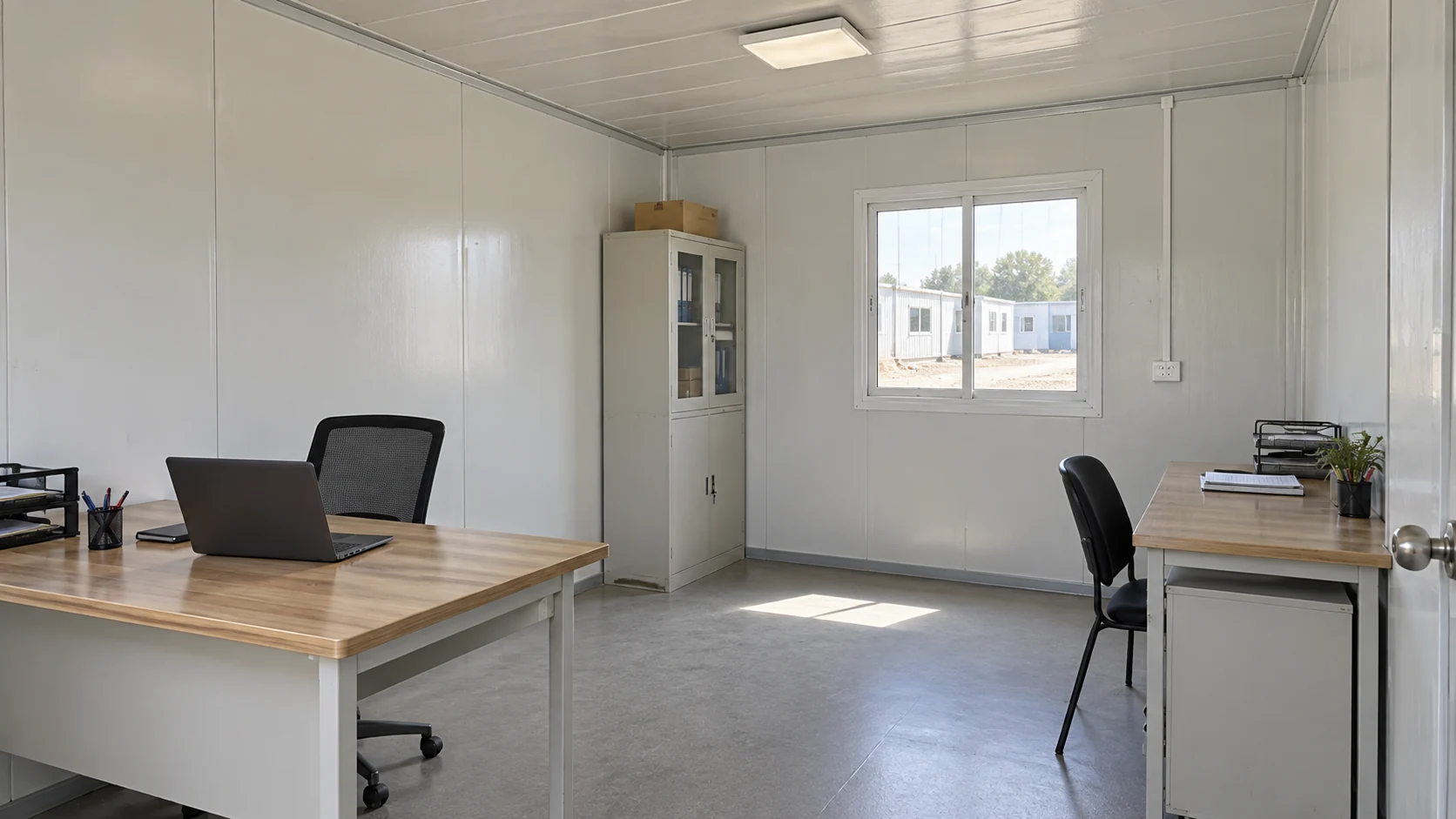
The fit-out and usable capacity can matter as much as the outside dimensions. An open office, an ensuite bedroom and a shared washroom require different partitions, equipment and service work. Compare the finished function before comparing the unit price.
Define the configuration before comparing unit prices
Ask each supplier to price the same specification. Record the proposed structure, wall and roof construction, floor finish, openings, partitions and service package. Include the destination conditions and any project performance requirements that the selected configuration must meet.
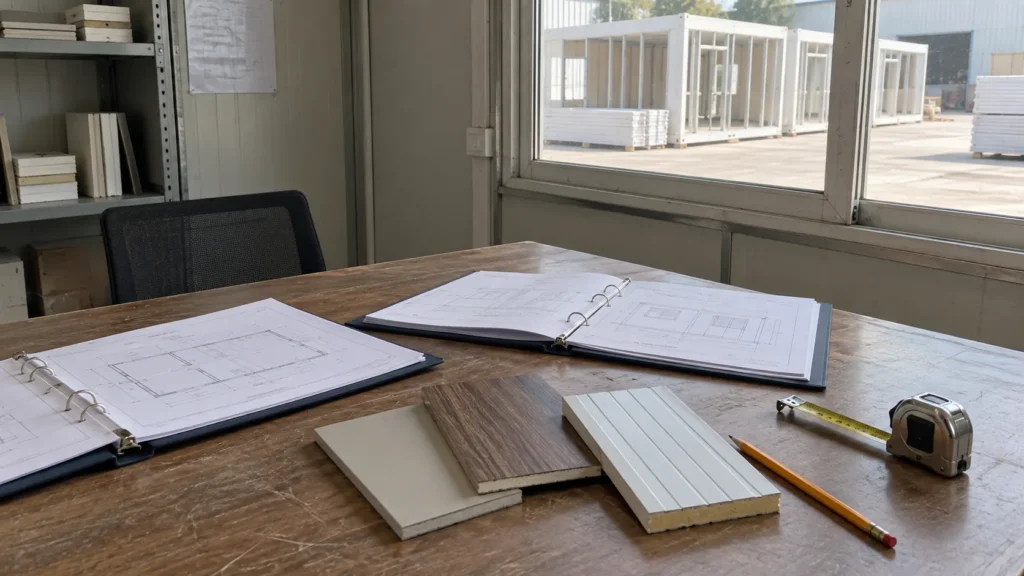
Separate essential requirements from optional finishes. For example, the electrical supply and bathroom connection requirements need to be resolved before comparing decorative wall finishes. Check whether equipment is supplied, fitted at the factory, fitted on site or excluded.
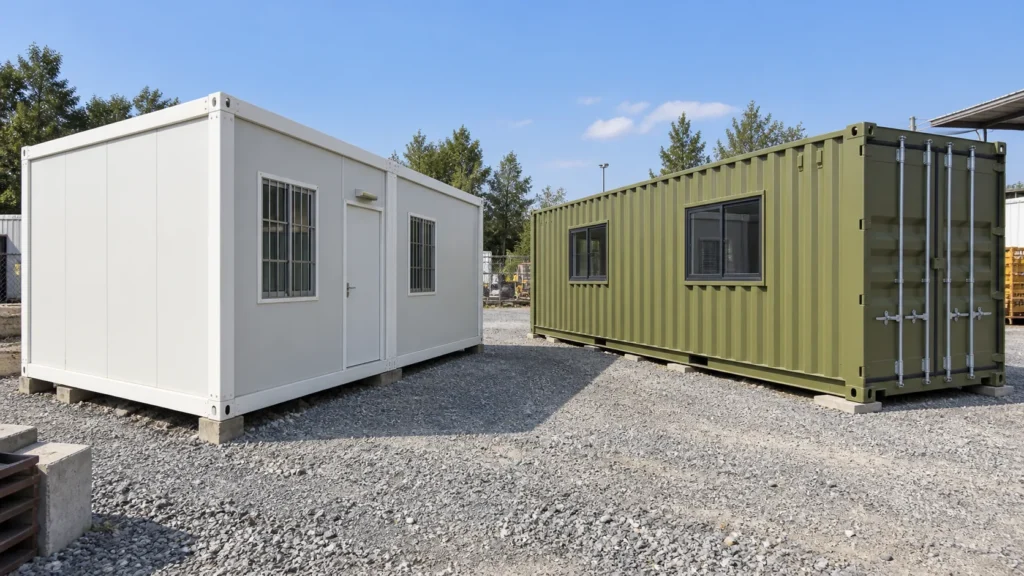
For a flat pack container house, also establish the delivery form and the work needed to turn the supplied components into a finished room. Use the same approach for folding, expandable or detachable systems: compare the proposed building and its installation scope, rather than assuming the product name defines everything included.

Match the area and the usable capacity
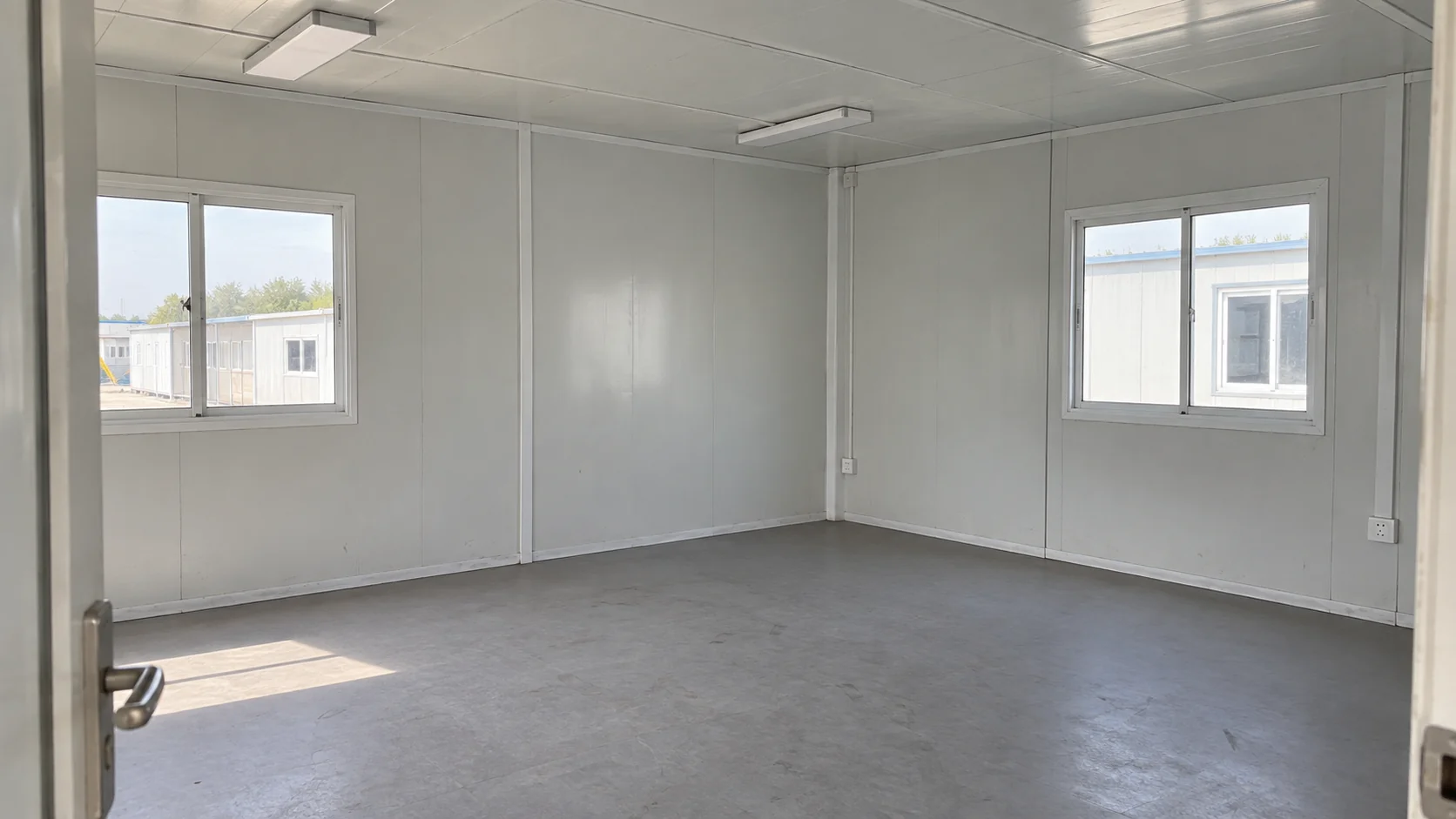
Compare clear internal space and usable rooms after partitions and fittings are installed. For a multi-module layout, include corridors, stairs, shared facilities and the work that connects the modules.
A cost per square metre is useful when both quotes use the same area definition and completion scope. For accommodation, also compare the intended capacity under your project requirements: a cheaper module may provide fewer usable rooms.
Choose the comparison unit around the decision. For a site office, usable workstations and meeting rooms may matter more than the number of modules. For accommodation, compare the agreed bedrooms, wet areas and shared circulation. Keep the capacity assumption consistent with the project design. Do not divide by an optimistic occupancy figure simply to make the cost per person look smaller.
Ask for the actual order and delivery sequence
Price the actual mix of offices, bedrooms and washrooms, then compare the delivery sequence. Phased shipments can change freight, storage and installation arrangements even when the building quantity stays the same.
Compare shipment phases as complete alternatives
A phased order can bring the first rooms into use while later areas are being prepared, but it also creates additional handovers. Compare the proposed phases against available storage, receiving resources and the local installation sequence. Do not assume that either a single shipment or several smaller shipments is automatically cheaper.
List which rooms and accessories must travel together in each option. If a shared service component arrives in a later shipment, the first group of rooms may not be ready for its intended use. Include that dependency in the discussion before comparing freight totals.

Budget for Shipping and Site Preparation Together
Transport planning should continue through to unloading at the destination. Otherwise, a freight estimate may leave the last stage of delivery unresolved.
Confirm the shipment scope
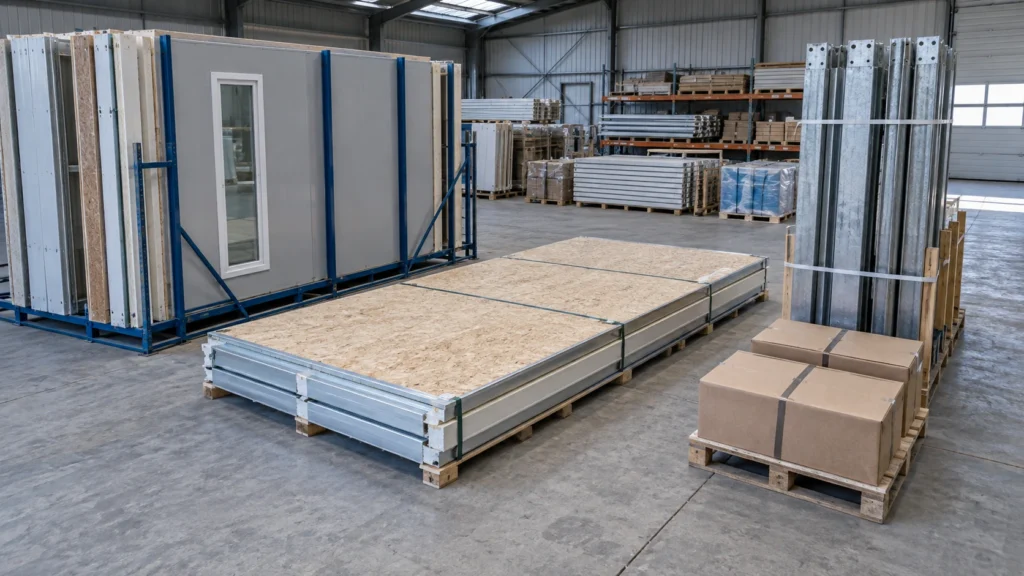
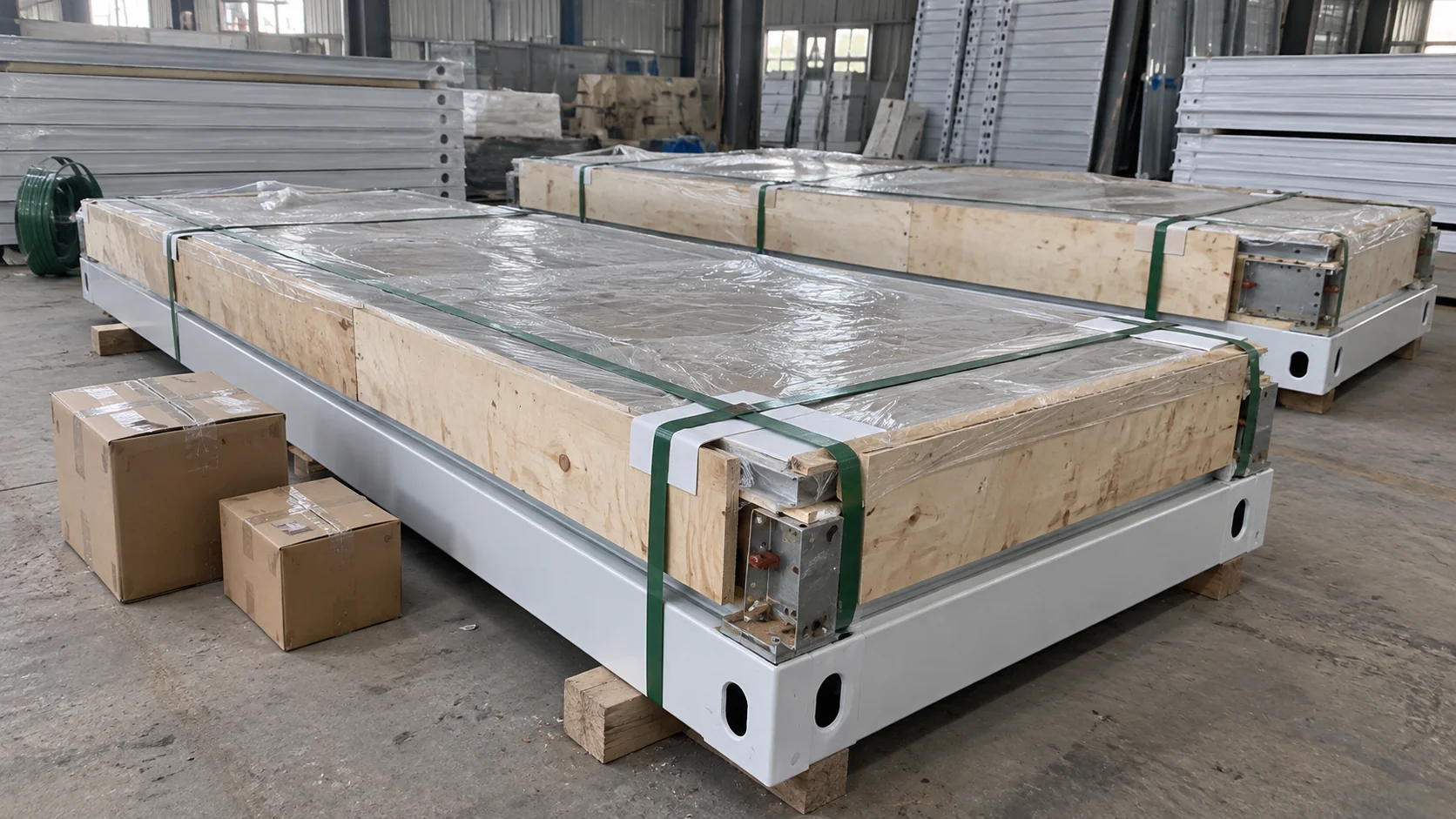
Give the supplier or freight forwarder the intended quantity, configuration, destination and planned shipment period. Request a packing plan showing package count, dimensions, gross weight and handling requirements. Loading quantities should be checked against that plan.
Ask the quotation to identify which transport stages and charges it covers. Confirm whether the estimate ends at the destination port or includes customs handling, local transport and delivery to the site. Check insurance arrangements and obtain a destination estimate for any applicable duties, taxes and clearance charges.
For flat pack projects, PQSE House’s packing and delivery notes explain the information needed to discuss a load plan. For the full handover checklist, read our container house loading and shipping guide.
Separate the delivery term from the building scope
Write the named delivery place and the agreed trade term in the quotation record. Then keep a separate schedule for the building, accessories and site work. The U.S. International Trade Administration explains that Incoterms do not define all sale conditions, the product price or the payment schedule. A transport term therefore cannot replace the specification and exclusions list.
Use that distinction when asking questions: the forwarder or broker resolves transport and destination items, while the manufacturer and local team define the work needed to complete the rooms.
Check the route, unloading and arrival arrangements
Before booking transport, confirm that the delivery vehicle can reach the unloading location. Share site access information, available unloading space and any restrictions with the transport and installation teams. Establish who provides lifting equipment, receives the goods and arranges temporary storage if necessary.
Also check the carrier’s agreed free time and return arrangements for shipping containers. Additional charges can arise when equipment is kept beyond the agreed period, as explained in Maersk’s detention and demurrage guidance. Confirm the applicable conditions with the provider handling your shipment.
Price the work required at the site
Ask the local project team to assess the ground, drainage, foundations and access requirements using the proposed building information. The appropriate foundation and anchoring design must be established for the actual site and structure before that work can be priced reliably.
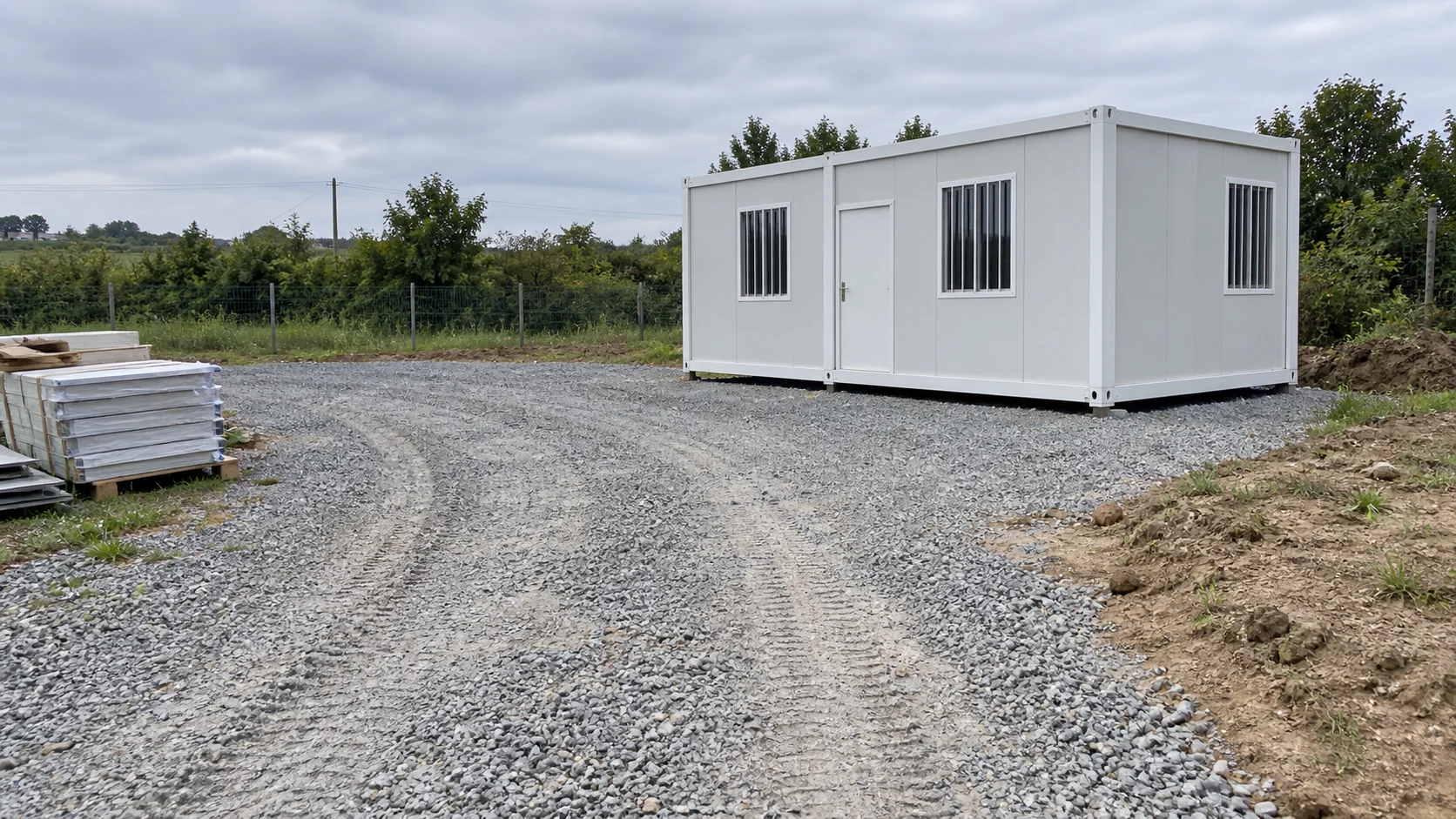
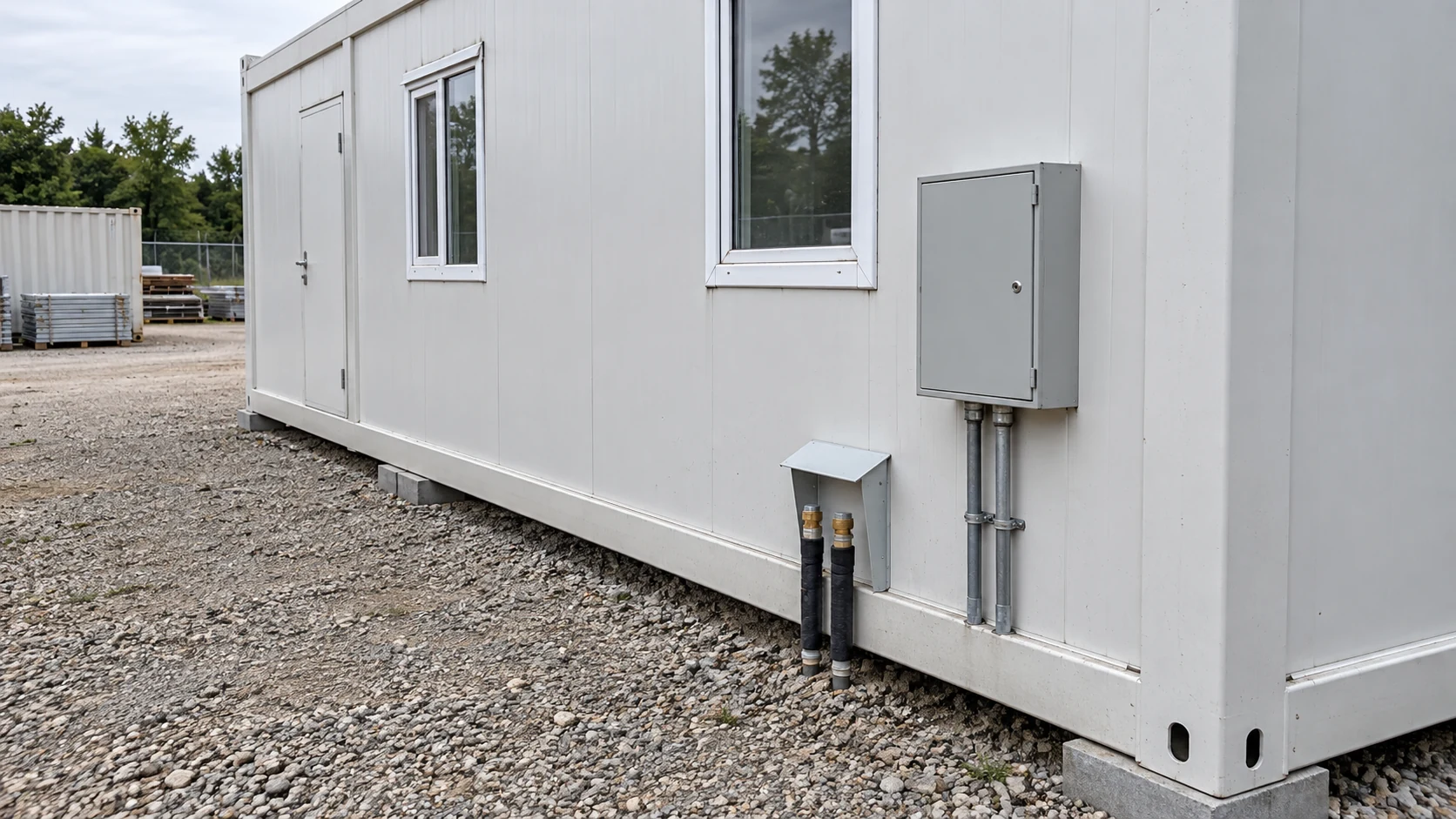
Utility planning needs the same attention. Internal wiring or bathroom fittings in a supply package do not establish the cost of connecting the building to local electricity, water or wastewater services. Identify connection locations, available capacity, required external work and who will complete and check it.
Finish with a responsibility list covering assembly, weather sealing, service connections, testing and the checks needed before use. Assign an estimate and an owner to each task outside the manufacturer’s supply scope.
For an interface shared by two parties, describe the handover point rather than assigning one broad label. For example, one package may include internal plumbing while a local contractor supplies the external connection. Record what each party provides and who verifies that the two ends are compatible. This turns a vague allowance into a scope that can be priced and checked.

How Do You Compare Quotes with Different Inclusions?
Bring both quotes to the same specification and delivery endpoint before ranking them by price. Send every supplier the same drawing revision, room mix, material and equipment schedule, and list of site work to be included.
For a hypothetical comparison, assume Quote A covers collection at the factory and Quote B includes freight to a named port. The table shows which differences to resolve before comparing the totals.
| Item | Quote A: package for collection | Quote B: package plus port freight | What to do before comparing |
|---|---|---|---|
| Building and fit-out | Building package stated | Building package stated | Match drawings, materials and equipment; the package names alone do not establish equal scope. |
| Transport to the named port | Outside the stated scope | Freight included as described | Obtain A’s missing transport estimate and check exactly which charges B includes. |
| Destination charges and site delivery | Not confirmed | Not confirmed | Obtain the relevant destination estimates for both; port freight does not settle these costs. |
| Unloading, assembly and connections | Not confirmed | Not confirmed | Price the work remaining after arrival with the local team. |
| Comparison total | Quote plus missing scope | Quote plus missing scope | Use the same currency basis and keep provisional amounts and unresolved items visible. |
Mark each item Included, Quoted separately, Not confirmed or Not applicable, with its source and date. An unknown cost is an open item, not a zero.

Use a comparison register that can be updated
Keep the quotation comparison in a working register instead of a single total copied into an email. The following fields make it possible to update one item without losing its origin. Use the same fields for both suppliers; a blank cell should trigger a question, not an assumed inclusion.
| Field | What to record |
|---|---|
| Scope reference | Room, system, drawing revision and work package |
| Amount basis | Currency, estimate date, validity and tax treatment |
| Inclusion status | Included, separately priced, not confirmed or not applicable |
| Evidence and owner | Quotation page or local estimate, plus the contact who will resolve it |
| Next update | Missing information and the decision that will close the item |
Check the commercial basis and avoid double counting
Record currency, quotation validity, taxes and the exact delivery location. Use a consistent exchange-rate date when comparing currencies. Add only work that is outside the quoted package.
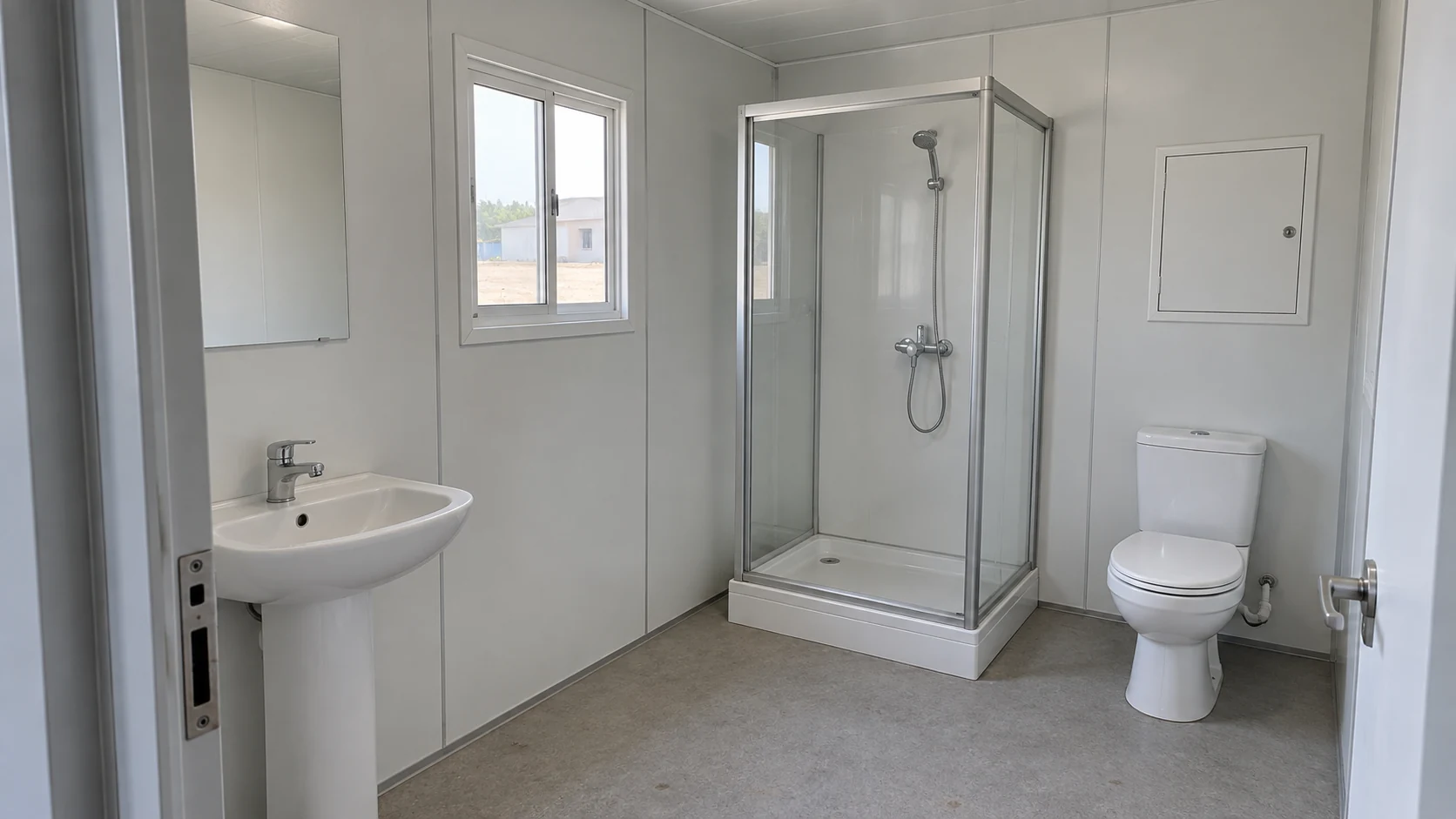
For example, if bathroom fixtures are already included, budget for the remaining pipework, installation and external connections according to the actual scope. Adding a second complete bathroom allowance would overstate the cost.
Review uncertainties before selecting a quotation
Review both the estimated total and unresolved items. A price tied to an unapproved layout or unknown site condition is still provisional. Give each open item an owner and replace its estimate when a firm scope becomes available.
Keep any project allowance tied to the remaining uncertainties and review it as those questions close.
Test the decisions that could change the comparison
Review a small set of realistic alternatives using the same cost groups: a different room mix, a changed delivery point or a different installation arrangement. Keep the unchanged items fixed and update only the affected scope. This is a comparison method, not a prediction of future prices.
If one proposal remains attractive only while several large items are unconfirmed, resolve those items before choosing it. An uncertainty register should name the issue, the affected work, the person obtaining evidence and the next decision. A general percentage allowance cannot explain those details by itself.

How to Reduce Avoidable Project Costs
Look first for costs caused by changes, unclear responsibilities or a mismatch between delivery and site readiness.
- Standardize rooms where the use permits it. Repeated layouts make the specification easier to coordinate. Retain the differences that offices, bedrooms and wet areas actually need.
- Resolve service interfaces early. Agree where power, water and drainage connect before finalizing the layout and ordering equipment.
- Separate options in the quotation. Compare the effect of a finish or accessory change without changing the agreed building requirements.
- Coordinate shipments with site readiness. Compare the full effect on freight, storage, handling and installation resources before choosing a delivery sequence.
- Review the complete scope after a change. A revised layout can affect openings, partitions, equipment and site connections as well as the building price.
When considering a lower-cost option, check that it still meets the project’s structural, fire, weather, electrical and occupancy requirements. Any proposed saving should be evaluated against the finished building you need.
Keep the budget connected to approved changes
When a layout or specification changes, give the revision a clear reference and ask each affected party for its scope impact. A moved bathroom can change internal equipment, external connections and the sequence of site work. Update the related lines together so the budget does not combine an old service estimate with a new room layout.
Retain the earlier comparison as a dated version and record why the total changed. The purpose is to support a purchase decision with understandable inputs. Before confirming the order, reconcile the final configuration, quotation exclusions, delivery endpoint and local work estimates once more.

Container House Cost FAQs
How much does a 20ft or 40ft container house cost?
The size label alone does not define a comparable purchase. A useful quotation also needs the product system, actual layout, usable area, specification, quantity and delivery scope. Request those details together so that a price for a basic building package is clearly distinguished from a fitted building with transport included.
Can I request a quotation before I have final drawings?
You can start the discussion with a use description, approximate space needs, quantity, destination and a simple sketch. Ask the supplier to record the assumptions used for any preliminary proposal. Update the budget when the layout, configuration and site requirements are confirmed.
Does a bathroom package include everything needed for use?
Check the scope item by item: fixtures, internal pipework, water heating, ventilation, fittings and installation may be supplied in different ways. External water and wastewater connections also need to be defined. Record any remaining supply or installation work in the project budget.
Information to Prepare for a Project Quotation
Prepare a short brief covering:
- Use and capacity: offices, accommodation or another function; required rooms and intended users.
- Location: country, project site and preferred destination port if known.
- Quantity and layout: module mix, approximate dimensions and any drawings or sketches.
- Configuration: room finishes, bathrooms, electrical needs, ventilation and equipment.
- Project requirements: local requirements already identified and the destination conditions the design must address.
- Delivery and site scope: access, unloading arrangements, available utilities and the work your local team will handle.
- Programme: target date for use, possible delivery phases and decisions still outstanding.
If a detail is undecided, identify it as an open item. PQSE House can use your brief to discuss the product configuration and the scope to be quoted.
Project budget worksheet — open the checklist
Copy these headings into your project brief. Add your own information and mark unresolved items for review.
| Record | Information to add |
|---|---|
| Building package | Amount, currency, quote reference and included components |
| Freight and destination costs | Named delivery point, handling and responsibility |
| Site completion | Foundations, connections, local installation and exclusions |
| Changes and allowances | Item, basis, amount, owner and current status |